Key Points
- A new patent proposes an animal-based testing method to assess reproductive and developmental safety of heated tobacco exposure.
- The method constructs controlled exposure models using Wistar rats and aerosol extracts from heated tobacco products.
- Multiple indicators—including hormone levels, sperm quality, and offspring development—are used for safety evaluation.
- The framework may help generate scientific evidence for product safety verification and regulatory submissions.
2Firsts, March 9, 2026
According to publicly available information on the patent database of China’s National Intellectual Property Administration (CNIPA), China Tobacco Hubei Industrial Co., Ltd., a subsidiary of China National Tobacco Corporation (CNTC), disclosed a patent titled “Method for Evaluating Reproductive and Developmental Safety Based on a Non-Human Animal Heated Cigarette Exposure Model.”
The patent application (No. 202511512948.X) was filed on October 22, 2025, and published on January 6, 2026 under publication number CN121275990A.
The invention outlines a structured experimental model designed to evaluate the potential reproductive and developmental effects of exposure to aerosols generated by heated tobacco products (HTPs).
Construction of a Heated Tobacco Exposure Model
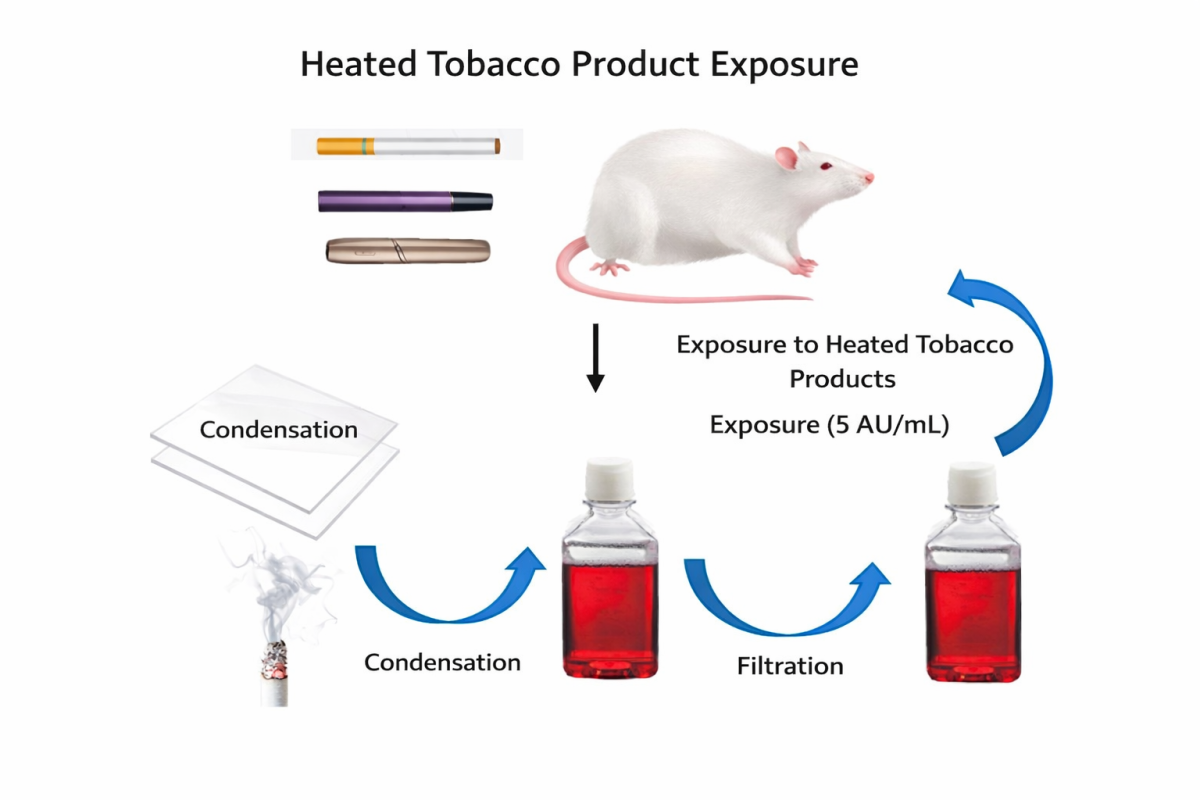
The proposed method begins with the collection of aerosol particulate matter generated during the heating of tobacco sticks. These aerosols are condensed, dissolved, sterilized, and diluted to produce a smoke extract solution used for animal exposure experiments.
Researchers then construct non-human animal exposure models, typically using Wistar rats, which receive the aerosol extract via gavage over a defined exposure period. After exposure, animals are bred with untreated counterparts to observe potential reproductive outcomes.
This design allows researchers to simulate long-term exposure scenarios and evaluate whether aerosol constituents affect reproductive function or offspring development.
Multi-Dimensional Biological Indicators
The patent emphasizes the use of multiple biological indicators to evaluate reproductive and developmental safety.
Key measurements include:
Parental reproductive indicators
- Testosterone synthesis and hormonal levels
- Sperm density, motility, and morphology
Offspring developmental indicators
- Litter size and sex ratio
- Body weight and body length
- Placental development metrics
- Blood biochemical indicators such as endocrine and metabolic markers
These indicators allow researchers to assess both parental reproductive health and offspring developmental outcomes following heated tobacco exposure.
Experimental Benchmarking Against Reference Products
The patent describes comparative experiments using reference heated tobacco products considered “safety standard products,” including internationally marketed heated tobacco sticks.
Experimental groups exposed to aerosol extracts from different heated tobacco samples were compared with control groups receiving water. The reported results indicated no significant abnormalities in reproductive or developmental indicators, suggesting comparable outcomes across groups under the tested conditions.
Industry Implications
Safety evaluation remains a key issue in the regulatory landscape for next-generation nicotine products. While heated tobacco products typically generate fewer harmful constituents than combustible cigarettes, regulators continue to require toxicological and long-term health evidence before allowing market entry in many jurisdictions.
The method described in this patent illustrates how Chinese tobacco research institutions are developing structured preclinical testing frameworks for heated tobacco products. Such experimental models could support:
- product safety validation
- toxicological research
- regulatory submissions in international markets
- internal quality control during product development
As the global heated tobacco market expands and regulatory scrutiny intensifies, standardized evaluation methods may become increasingly important for both manufacturers and regulators.
More updates on the global next-generation nicotine industry are available at 2Firsts.
Cover Image source:CNIPA