Key Takeaways
- Thailand’s Department of Disease Control has lodged a complaint over alleged online nicotine pouch sales.
- On March 17, DDC deputy director-general Anek Moong-om-klang assigned investigators at Mueang Nonthaburi Police Station to pursue legal action.
- The department said surveillance found advertising and sales through electronic media and later identified a storefront linked to a shop in Pathum Thani province.
- Officials said the conduct may violate Sections 27(2) and 31(1) of the Tobacco Products Control Act 2017.
- The DDC said nicotine pouch advertising and sales are widespread on social media and the products have also been found in tourist areas and shopping centres, making them accessible to children and teenagers.
2Firsts, March 23, 2026
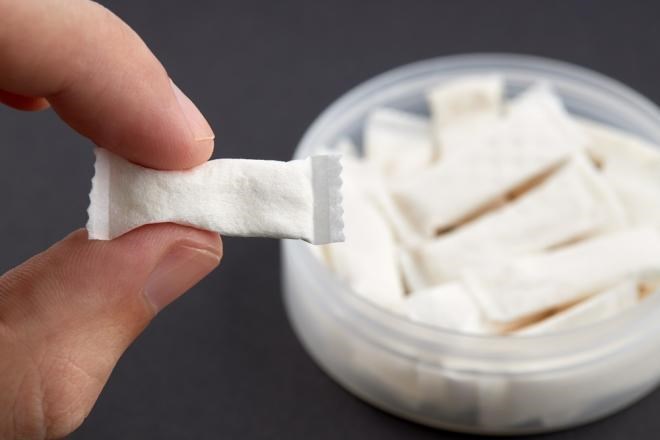
According to the original report, Thailand’s Department of Disease Control (DDC) has lodged a complaint over the alleged online sale of nicotine pouches. The department said monitoring found the products were being advertised and sold through electronic media, and that a further inquiry later identified a physical storefront linked to a shop in Pathum Thani province.
Investigators were assigned to pursue the case at Mueang Nonthaburi Police Station
Speaking on March 21, DDC deputy director-general Anek Moong-om-klang said that on March 17 he assigned investigators at Mueang Nonthaburi Police Station to take legal action against those accused of selling nicotine pouches online.
The DDC said its surveillance found sales and advertising through electronic media, and that an expanded inquiry later identified a storefront linked to a shop in Pathum Thani province.
Anek said the conduct may breach the Tobacco Products Control Act 2017, including Section 27(2) on sales through electronic media and Section 31(1) on advertising or displaying a tobacco product name or mark. He said evidence is still being gathered as the case proceeds.
Nicotine pouch sales were also found in social media, tourist areas and shopping centres
He also warned that nicotine pouch advertising and sales are currently widespread across social media, and that the products have been found on sale in tourist areas and shopping centres, making them easy to access, particularly for children and teenagers.
According to the department, nicotine pouches contain high concentrations of nicotine that can be absorbed into the bloodstream quickly. It said possible effects include rapid heartbeat, palpitations and chest tightness, as well as an increased risk of heart and blood vessel disease.
The DDC also said the products can cause addiction and may affect brain development in the long term. The original report said the department asked the public to report suspected nicotine pouch advertising or sales through electronic media or computer networks by calling 0-2590-3852.
The report also noted separately that Product Watch warned electric cannabis vapes are spreading rapidly among young people because of their low cost, easy availability and toy-like design.
Image source: The Thaiger
We welcome news tips, article submissions, interview requests, or comments on this piece.
Please contact us at info@2firsts.com, or reach out to Alan Zhao, CEO of 2Firsts, on LinkedIn
Notice
1. This article is intended solely for professional research purposes related to industry, technology, and policy. Any references to brands or products are made purely for objective description and do not constitute any form of endorsement, recommendation, or promotion by 2Firsts.
2. The use of nicotine-containing products — including, but not limited to, cigarettes, e-cigarettes, nicotine pouchand heated tobacco products — carries significant health risks. Users are responsible for complying with all applicable laws and regulations in their respective jurisdictions.
3. This article is not intended to serve as the basis for any investment decisions or financial advice. 2Firsts assumes no direct or indirect liability for any inaccuracies or errors in the content.
4. Access to this article is strictly prohibited for individuals below the legal age in their jurisdiction.
Copyright
This article is either an original work created by 2Firsts or a reproduction from third-party sources with proper attribution. All copyrights and usage rights belong to 2Firsts or the original content provider. Unauthorized reproduction, distribution, or any other form of unauthorized use by any individual or organization is strictly prohibited. Violators will be held legally accountable.
For copyright-related inquiries, please contact: info@2firsts.com
AI Assistance Disclaimer
This article may have been enhanced using AI tools to improve translation and editorial efficiency. However, due to technical limitations, inaccuracies may occur. Readers are encouraged to refer to the cited sources for the most accurate information.
We welcome any corrections or feedback. Please contact us at: info@2firsts.com