According to a report by Ojo Público on December 1st, data from Peru's National Superintendence of Tax Administration and Customs (Sunat) shows that in the past six years, around 140 importers have brought in over 30 e-cigarette brands, with a total import value exceeding 20 million US dollars.
About ten years ago, major tobacco companies announced that they had begun transitioning to less risky "novel tobacco" products. Their goal is to increase sales of e-cigarettes and other devices containing tobacco and nicotine, while reducing harmful products like combustible cigarettes that are harmful to health.
However, the new brand products launched with this goal are still harmful and may be addictive. An investigation by OjoPúblico found that Philip Morris International (PMI) has successfully expanded its market in Peru by maintaining traditional imports and introducing e-cigarette products.
Despite entering the Peruvian e-cigarette market relatively late, PMI's independent brand Veev reached imports totaling $311,000 between the beginning of the year and November. This represents 1.5% of the total e-cigarette imports into Peru over the past six years, placing them among the top 11 importers during this period.
British American Tobacco (BAT) is one of the companies that entered the "smoke-free" sector at the national level earlier. From 2022 to 2024, the import value of the e-cigarette Vuse exceeded 4 million US dollars, accounting for 20% of Peru's total e-cigarette imports, making it the largest importer nationwide.
Currently, 35 countries worldwide have banned the sale of e-cigarettes. However, in the Peruvian market, there are already over 30 brands of e-cigarettes in circulation. In this region with relatively lax regulation, not only large companies are profiting, but there are also as many as 137 importers engaged in importing e-cigarettes and their accompanying e-liquids, four times more than importers of traditional tobacco products.
Some of these companies are specialty stores, while others, even though registered in the national tax department records as restaurants or sporting goods retailers, have already started dabbling in the e-cigarette business. This year, over 30 brands of e-cigarette products have entered the Peruvian market in various forms and flavors.
British American Tobacco (BAT)
BAT's e-cigarette brand Vuse produces e-cigarette liquid in the United States, while the devices are manufactured in China through Smoore International Holdings. In 2023, BAT's global e-cigarette sales reached 654 million units, a 7% increase from the previous year. According to the 2023 financial report, this business line, including other non-combustible products, accounted for 16.5% of the company's revenue. Vuse Go has entered 59 countries' markets, thanks to "positive regulatory progress," allowing it to enter emerging markets such as Colombia, Paraguay, and Peru.
According to a report by the Organization for Economic Cooperation and Development (OECD), a common factor among these three countries is that they do not prohibit the sale of e-cigarettes and do not use taxation to curb consumption. According to the 2023 Tobacco Control Policy Index, Peru and Colombia also share the common characteristic of facing significant interference from the tobacco industry when implementing public policies to combat tobacco consumption.
In one of Vuse's main markets, the United States, the sale of flavored e-cigarette products is not allowed. However, in Peru, there are no such restrictions, and BAT is selling two e-cigarette products: Vuse Go 5000 and Vuse Go 1000, which come in flavors like watermelon, apricot, and raspberry. Despite Peru approving regulations on November 12th to prohibit the sale of flavored e-cigarettes to minors, this regulation will not take effect until 2025.
Philip Morris International (PMI)
As of November 1st, Peru's imports of Veev e-cigarettes totaled $310,916. PMI's e-cigarette brand Veev Now offers two models, each capable of delivering 500 and 1800 puffs, with flavors including mint, blueberry, strawberry, watermelon, and mango. According to information provided by PMI, these devices are manufactured by Kaival Brands Innovations Group in Florida, USA, although customs records show their origin as China. Kaival Brands informed PMI that sales of their Veeba and Veev Now products have reached record levels. Both are part of the company's "Next-Generation Products" portfolio, which according to their 2023 financial report, accounts for 37% of the company's global net profits.
Canada-based STLTH International
STLTH International, a Canadian company, has been selling its e-cigarette products in Peru since 2022 and has quickly become the fifth largest importer in the industry over the past six years. Unlike other companies, STLTH focuses solely on e-cigarette products and does not outsource manufacturing. Its products are now available in 1,329 retail outlets in Peru, including convenience stores, grocery stores, and mini-markets. The company's imports of devices and e-liquid have increased by over 700% in just two and a half years.
Other local companies
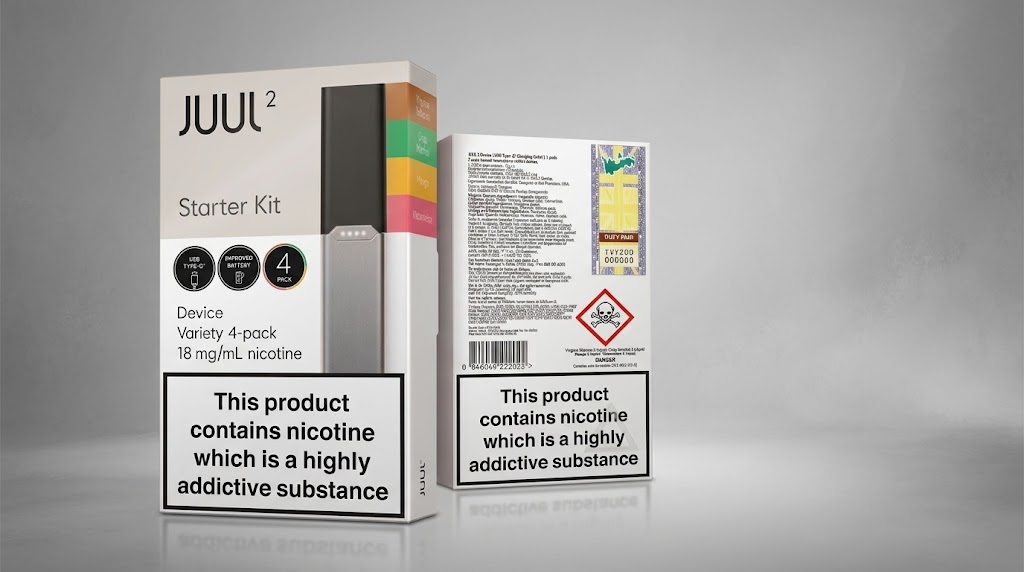
In addition to the major tobacco companies, according to customs records, 137 local companies have imported e-cigarettes and pods between 2019 and 2024. Among the 30-plus new brands introduced in 2024 are Dragbar, Nasty, Vaporesso, and Juul.
Among these importers, Vapo Per stands out with an import value of $2.9 million over the past six years, while Vapor Club reported an import amount of $163,783. Vape Mode Peru saw a 600% increase in imports between 2019 and 2023, reaching $750,541, and Dos Lunares has brought in over $2 million worth of products from 2023 to the present year.
We welcome news tips, article submissions, interview requests, or comments on this piece.
Please contact us at info@2firsts.com, or reach out to Alan Zhao, CEO of 2Firsts, on LinkedIn
Notice
1. This article is intended solely for professional research purposes related to industry, technology, and policy. Any references to brands or products are made purely for objective description and do not constitute any form of endorsement, recommendation, or promotion by 2Firsts.
2. The use of nicotine-containing products — including, but not limited to, cigarettes, e-cigarettes, nicotine pouchand heated tobacco products — carries significant health risks. Users are responsible for complying with all applicable laws and regulations in their respective jurisdictions.
3. This article is not intended to serve as the basis for any investment decisions or financial advice. 2Firsts assumes no direct or indirect liability for any inaccuracies or errors in the content.
4. Access to this article is strictly prohibited for individuals below the legal age in their jurisdiction.
Copyright
This article is either an original work created by 2Firsts or a reproduction from third-party sources with proper attribution. All copyrights and usage rights belong to 2Firsts or the original content provider. Unauthorized reproduction, distribution, or any other form of unauthorized use by any individual or organization is strictly prohibited. Violators will be held legally accountable.
For copyright-related inquiries, please contact: info@2firsts.com
AI Assistance Disclaimer
This article may have been enhanced using AI tools to improve translation and editorial efficiency. However, due to technical limitations, inaccuracies may occur. Readers are encouraged to refer to the cited sources for the most accurate information.
We welcome any corrections or feedback. Please contact us at: info@2firsts.com