PMI to Build Cigarette Factory in Tanzania

PMI by 2FIRSTS.ai
Feb.26.2024
PMI to Build Cigarette Factory in Tanzania
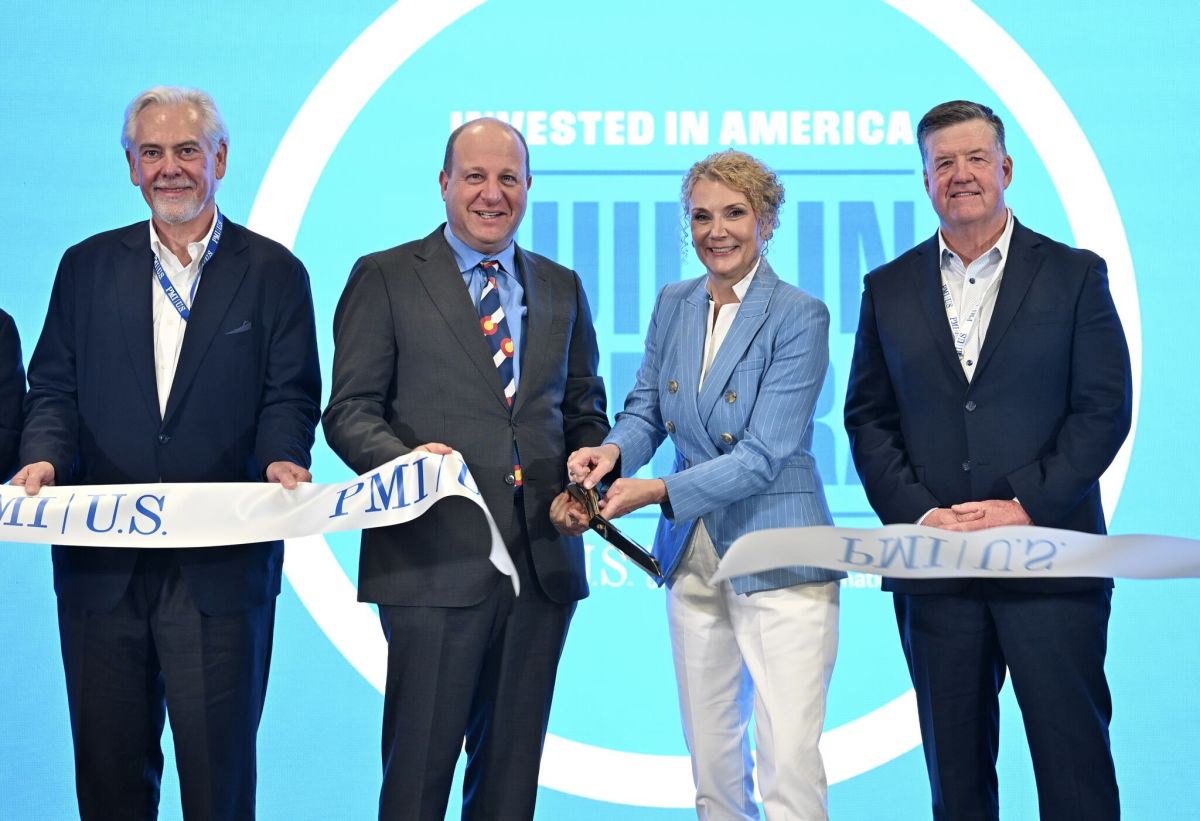
Philip Morris International to build cigarette factory in Tanzania, purchasing 12 million kg of tobacco annually for five years.

According to Tanzanian media The Citizen, Philip Morris International (PMI) will be constructing a cigarette factory in the southern Tanzanian city of Murogoro and will purchase at least 12 million kilograms of Tanzanian tobacco annually over the next five years. It is reported that PMI had stopped purchasing tobacco from Tanzania since 2017.


Minister of Agriculture Hussain Bashe stated that PMI has partnered with another company in Tanzania to construct a cigarette factory, which is expected to begin operations by the end of 2024.


Tanzanian tobacco farmers produced 120 million kilograms of tobacco in the recent planting season. This year, they are expected to cultivate 200 million kilograms.


Thumbnail Source: Tanzanian Minister of Agriculture Hussein Bashe


We welcome news tips, article submissions, interview requests, or comments on this piece.

Please contact us at info@2firsts.com, or reach out to Alan Zhao, CEO of 2Firsts, on LinkedIn


Notice

1.  This article is intended solely for professional research purposes related to industry, technology, and policy. Any references to brands or products are made purely for objective description and do not constitute any form of endorsement, recommendation, or promotion by 2Firsts.

2.  The use of nicotine-containing products — including, but not limited to, cigarettes, e-cigarettes, nicotine pouchand heated tobacco products — carries significant health risks. Users are responsible for complying with all applicable laws and regulations in their respective jurisdictions.

3.  This article is not intended to serve as the basis for any investment decisions or financial advice. 2Firsts assumes no direct or indirect liability for any inaccuracies or errors in the content.

4.  Access to this article is strictly prohibited for individuals below the legal age in their jurisdiction.


Copyright


This article is either an original work created by 2Firsts or a reproduction from third-party sources with proper attribution. All copyrights and usage rights belong to 2Firsts or the original content provider. Unauthorized reproduction, distribution, or any other form of unauthorized use by any individual or organization is strictly prohibited. Violators will be held legally accountable.

For copyright-related inquiries, please contact: info@2firsts.com


AI Assistance Disclaimer


This article may have been enhanced using AI tools to improve translation and editorial efficiency. However, due to technical limitations, inaccuracies may occur. Readers are encouraged to refer to the cited sources for the most accurate information.

We welcome any corrections or feedback. Please contact us at: info@2firsts.com

FDA Adds 18 Tobacco Harmful Constituents and Seeks Comment on 3 More
U.S. Food and Drug Administration published a Federal Register notice finalizing the addition of 18 constituents to the established list of Harmful and Potentially Harmful Constituents in tobacco products. With the update, the list now contains 111 constituents. FDA also proposed adding three more constituents to the list and opened a public comment period ending at 11:59 p.m. ET on May 26, 2026.
Apr.24 by 2FIRSTS.ai
PMI U.S. White Paper Calls for Greater Access to FDA-Authorized Smoke-Free Alternatives and Risk-Based Taxation
PMI’s U.S. business released a white paper and cited a national online survey showing that 79.00% of Americans surveyed believe more should be done to reduce smoking-related harm. The paper calls on policymakers, public health authorities, and medical professionals to place cigarette smoking back at the center of public health priorities, and recommends broader access to FDA-authorized smoke-free alternatives, clearer nicotine risk communication, and risk-based taxation.
Apr.15 by 2FIRSTS.ai
Exhibition Insights | Beyond Devices: What RELX’s Multi-Format Display Suggests About Category Expansion
RELX’s booth in Prague brought together vaping devices, RELX-branded e-liquids, oral nicotine products and a nasal product concept in one display. Rather than centering the booth on a single hardware line, the company presented multiple product paths side by side.
Apr.20 by 2FIRSTS.ai
Australia Quantifies Black Market for First Time, Illicit Nicotine Products Account for About 80% of Consumption
The Australian Bureau of Statistics (ABS) has released its first estimate of the illicit nicotine market, finding that about 80% of cigarettes, vapes and other nicotine products consumed in 2025 came from illegal sources, reigniting debate over tobacco taxation and enforcement policies.
Jun.03
FDA Expands ENDS Market Access With First Authorization of Non-Tobacco and Non-Menthol Products
The U.S. Food and Drug Administration (FDA) announced on May 5, 2026 that it authorized the marketing of four Glas electronic nicotine delivery system (ENDS) products through the premarket tobacco product application (PMTA) pathway. The authorized products are Classic Menthol, Fresh Menthol, Gold and Sapphire pods, each containing 50mg/ml, or 5%, tobacco-derived nicotine.
May.06 by 2FIRSTS.ai
Special Report | Russian Vape Compromise Faces First Hurdles
Russia’s regional vape-ban model is facing early legal and political tests, as Perm Krai moves ahead before federal legislation is fully adopted. The case highlights uncertainty over regional authority, concerns from business groups about market fragmentation, and the risk that pressure against regional bans could revive calls for a stricter nationwide prohibition.
Industry Insight
May.28