Philippine BIR to Intensify Crackdown on Illegal E-cigarette Market as Revenue Falls Short

Nov.08.2024
Philippine BIR to Intensify Crackdown on Illegal E-cigarette Market as Revenue Falls Short
BIR chief doubts $10-billion e-cigarette tax to fill Philippines' 2024 revenue gap, warns of crackdown on illegal sellers.

According to the Manila Bulletin on November 7, Romeo D. Lumagui, Commissioner of the Bureau of Internal Revenue (BIR) in the Philippines, stated that it is uncertain whether the 1 billion pesos (approximately 17 million US dollars) collected from the e-cigarette excise tax will be enough to cover the country's consumption tax deficit by 2024.


Lumaji pointed out that, as the relevant system has just been launched, it appears that this revenue may still not be enough.


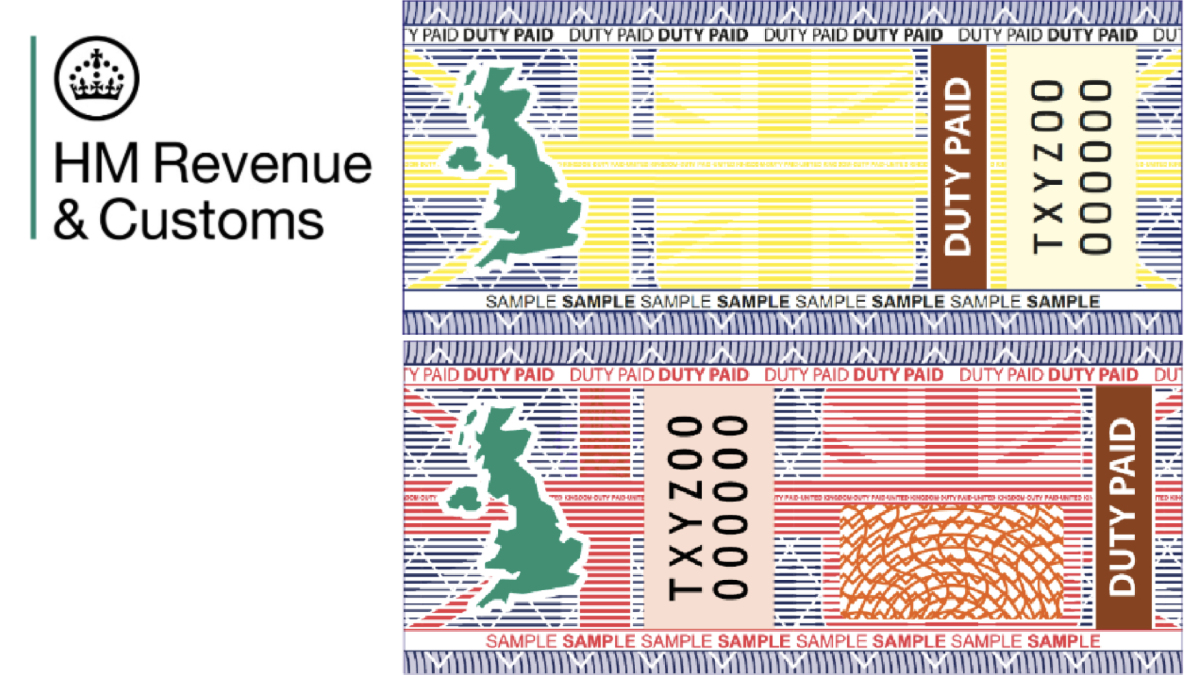
In May of this year, the BIR mandated that e-cigarette products must have a tax stamp affixed before distribution in order to increase tax compliance. According to Tax Memorandum Order No. 59-2024, this tax stamp system is similar to that of cigarettes, aimed at monitoring sales and ensuring correct taxation. E-cigarette products without the stamp will be confiscated, and owners will face charges of tax evasion.


Despite facing challenges with the consumption tax, Lumaguay expressed confidence in BIR's overall performance and highlighted that tax revenue had achieved double-digit growth.


I know we are doing well because our growth rate is in double digits. This is important, more important than inflation and GDP. As long as BIR's performance continues at this growth rate, it is good.


Recently, the BIR has intensified its crackdown on illegal e-cigarette retailers. Following a nationwide raid on October 16th, the number of weekly raids has increased. As of October 31st, a total of 506 illegal e-cigarette stores have been seized, with these businesses commonly found to be in violation due to non-payment of consumption tax, lack of tax stamps, and being unregistered.


The Lumaqui authorities have issued a warning, stating that BIR will not stop raiding illegal e-cigarette retailers or distributors until the e-cigarette industry complies with our tax laws and regulations. Regular raids are expected to take place.

We welcome news tips, article submissions, interview requests, or comments on this piece.

Please contact us at info@2firsts.com, or reach out to Alan Zhao, CEO of 2Firsts, on LinkedIn


Notice

1.  This article is intended solely for professional research purposes related to industry, technology, and policy. Any references to brands or products are made purely for objective description and do not constitute any form of endorsement, recommendation, or promotion by 2Firsts.

2.  The use of nicotine-containing products — including, but not limited to, cigarettes, e-cigarettes, nicotine pouchand heated tobacco products — carries significant health risks. Users are responsible for complying with all applicable laws and regulations in their respective jurisdictions.

3.  This article is not intended to serve as the basis for any investment decisions or financial advice. 2Firsts assumes no direct or indirect liability for any inaccuracies or errors in the content.

4.  Access to this article is strictly prohibited for individuals below the legal age in their jurisdiction.


Copyright


This article is either an original work created by 2Firsts or a reproduction from third-party sources with proper attribution. All copyrights and usage rights belong to 2Firsts or the original content provider. Unauthorized reproduction, distribution, or any other form of unauthorized use by any individual or organization is strictly prohibited. Violators will be held legally accountable.

For copyright-related inquiries, please contact: info@2firsts.com


AI Assistance Disclaimer


This article may have been enhanced using AI tools to improve translation and editorial efficiency. However, due to technical limitations, inaccuracies may occur. Readers are encouraged to refer to the cited sources for the most accurate information.

We welcome any corrections or feedback. Please contact us at: info@2firsts.com

China’s Shanghai Tobacco Group Launches CNY 10.98 Million (Approximately US$1.53 Million) Procurement for Heated Tobacco Production Utility Equipment
Shanghai Tobacco Group Co., Ltd., a tobacco manufacturing company under China National Tobacco Corporation (CNTC), has launched a public tender for heated tobacco products (HTPs) production utility equipment at its Shanghai Cigarette Factory. The project is valued at CNY 10.98 million and covers six combined air-conditioning units, electrical cabinets and control systems for production facilities. The procurement includes equipment design, supply, installation, commissioning and related training services.
Aug.07
Former ATF Official’s Claims on Chinese Vape Companies and 6-Methyl Nicotine Fuel US Regulatory Debate
Former ATF Deputy Director Edgar Domenech has warned that some Chinese vape companies may be using 6-methyl nicotine, a nicotine analogue, raising new questions over how US regulators should classify emerging nicotine compounds.
Jul.13
Product | PMI Pilots bonds by IQOS and blends in Japan, Testing a New Heated Tobacco Platform
Philip Morris International (PMI) has launched a regional pilot of bonds by IQOS and dedicated blends tobacco sticks in Japan, introducing a new heated tobacco platform separate from the IQOS ILUMA ecosystem. The system uses Round Heat Technology with an external heating architecture, differentiating it from IQOS ILUMA’s induction-based platform. The pilot began on July 6, 2026, across three Japanese prefectures: Fukuoka, Saga and Nagasaki.
Jul.30
Kuwait Tightens Tobacco and Nicotine Rules, Bans Under-21 Sales and Extends Public Smoking Restrictions to Vapes and Heated Tobacco
Kuwait has issued a comprehensive new regulatory framework covering tobacco, e-cigarettes, heated tobacco and other nicotine products. Ministerial Decision No. 237 of 2026, signed by Health Minister Ahmad Al-Awadhi, will take effect on January 1, 2027. The rules prohibit sales to people under 21 and ban sales through websites, apps, social media and delivery services. E-cigarettes and heated tobacco products will also be treated as smoking in public and enclosed places where smoking is prohibited. Nicotine pouches and other oral nicotine products not registered as medicines are banned.
Regulations
Aug.17 by 2Firsts Perspectives
Vietnam’s Vape Crackdown Expands From Ban Proposal to Grassroots Enforcement
Vietnam tightens e-cigarette rules. Health Ministry proposes banning production, trade, transport, storage, ads, promotion, sponsorship, and use of e-cigarettes, heated tobacco, and new products. Hanoi also urges residents to report illegal activities, showing enforcement moves from lawmaking to local action.
Jul.08
DOJ Trade Fraud Task Force Tops $1 Billion in Cases, Putting Vape Supply Chains at Risk of Fraud Enforcement
According to the U.S. Department of Justice (DOJ), Fox News and other reports, the DOJ’s Trade Fraud Task Force (TFTF) has been linked to more than $1 billion in recoveries, penalties, forfeitures and publicly charged losses in less than one year. The task force focuses on trade fraud issues including country-of-origin fraud, illegal transshipment, false declarations and tariff evasion. While vape products are not the main source of the $1 billion figure, the industry’s reliance on global manufacturing and cross-border supply chains places it within broader U.S. trade enforcement scrutiny. The development suggests that U.S. oversight of cross-border vape products may increasingly extend beyond product authorization into import compliance, supply-chain transparency and corporate accountability.
Jul.23