PMI Invests $232M to Expand Nicotine Pouch Factory in Kentucky

PMI by 2FIRSTS.ai
Aug.28.2024
PMI Invests $232M to Expand Nicotine Pouch Factory in Kentucky
PMI invests $232 million to expand Kentucky factory, creating 450 jobs and boosting production for smoke-free products.

On August 27, Philip Morris International Inc. (PMI) (NYSE: PM) announced on its official website that it will invest $232 million through its Swedish Match subsidiary to expand its factory in Owensboro, Kentucky, USA, which produces nicotine pouches. The company claims that this is part of its strategy towards a so-called "smoke-free future".


The company stated that the expansion of the factory is expected to create 450 new job positions, increasing the workforce at the plant by approximately 40% to meet the growing demand for smokeless products.


The construction work at the Owensboro factory is currently underway and is expected to be completed in the second quarter of 2025. The expansion phase is projected to create nearly 2,800 jobs and generate an economic impact of approximately $414 million.


In addition, the expanded factory will change from a five-day, 24-hour work schedule to a seven-day, 24-hour work schedule in order to increase production efficiency.


The Owensboro factory currently has around 1,100 employees, and its ongoing expansion is expected to provide a capacity of approximately 9 billion cans by 2025.


PMI's CEO for the US business, Stacey Kennedy, stated in a declaration that


We are accelerating towards a smoke-free future mission by collaborating with our subsidiary in the United States to provide better alternatives so that adults can stay away from cigarettes and other traditional tobacco products.


Kentucky Governor Andy Beshear stated:


Philip Morris International's Swedish Match subsidiary has been an important partner and job creator in the region for many years. I am thrilled to see this incredible new investment and the 450 excellent job opportunities it will create for families in Owensboro and the surrounding areas. Our economy continues to break records, and today's announcement shows that we are creating opportunities for our people, rather than having our people work for us. I want to thank and congratulate the company's leadership for their efforts, and look forward to even more prosperity in the future.


In July 2024, PMI announced that it will invest $600 million through its U.S. subsidiary to open a nicotine pouch manufacturing facility in Aurora, Colorado within the next two years.


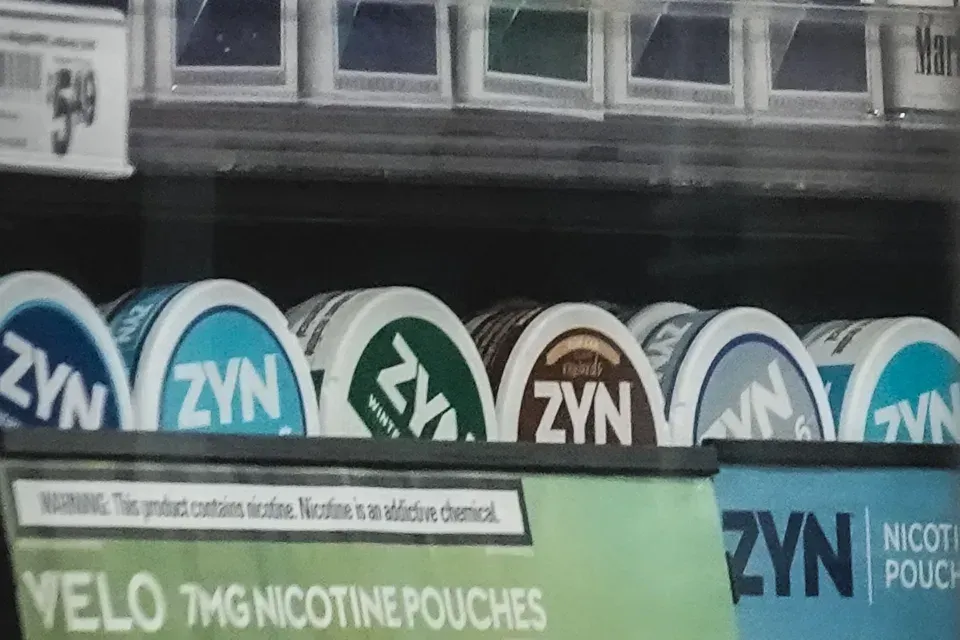
PMI states that this new factory, along with the expansion in Owensboro, will provide the capacity needed to meet the short-term and medium-term demand for ZYN in the American market.


We welcome news tips, article submissions, interview requests, or comments on this piece.

Please contact us at info@2firsts.com, or reach out to Alan Zhao, CEO of 2Firsts, on LinkedIn


Notice

1.  This article is intended solely for professional research purposes related to industry, technology, and policy. Any references to brands or products are made purely for objective description and do not constitute any form of endorsement, recommendation, or promotion by 2Firsts.

2.  The use of nicotine-containing products — including, but not limited to, cigarettes, e-cigarettes, nicotine pouchand heated tobacco products — carries significant health risks. Users are responsible for complying with all applicable laws and regulations in their respective jurisdictions.

3.  This article is not intended to serve as the basis for any investment decisions or financial advice. 2Firsts assumes no direct or indirect liability for any inaccuracies or errors in the content.

4.  Access to this article is strictly prohibited for individuals below the legal age in their jurisdiction.


Copyright


This article is either an original work created by 2Firsts or a reproduction from third-party sources with proper attribution. All copyrights and usage rights belong to 2Firsts or the original content provider. Unauthorized reproduction, distribution, or any other form of unauthorized use by any individual or organization is strictly prohibited. Violators will be held legally accountable.

For copyright-related inquiries, please contact: info@2firsts.com


AI Assistance Disclaimer


This article may have been enhanced using AI tools to improve translation and editorial efficiency. However, due to technical limitations, inaccuracies may occur. Readers are encouraged to refer to the cited sources for the most accurate information.

We welcome any corrections or feedback. Please contact us at: info@2firsts.com

Product | JT Launches Three Autumn-Limited Ploom Tobacco Sticks in Japan Across EVO, MEVIUS and CAMEL Brands
Japan Tobacco Inc. (JT) launched three limited-edition autumn tobacco sticks for its Ploom heated tobacco devices in Japan on October 16, 2026, under the EVO, MEVIUS and CAMEL brands. All three are regular tobacco variants with seasonal packaging. Each pack contains 20 sticks, priced at ¥620, ¥590 and ¥570, respectively, including tax. The products are compatible with all Ploom devices and are sold in limited quantities exclusively through the CLUB JT online store while supplies last.
product
Oct.20
Ireland Raises Nicotine Product Taxes Again as Cigarettes Gain €1 and Vape Duty Is Set to Jump 40%
Ireland has increased tobacco excise under Budget 2027 and announced a further rise in its E-liquid Products Tax. From Oct. 7, the tax burden on a pack of 20 cigarettes in the most popular price category increased by €1, with pro-rata increases on other tobacco products. The government plans to raise EPT from €0.50 to €0.70 per millilitre from Jan. 1, 2027, a 40% increase applying to both nicotine-containing and nicotine-free e-liquids. The tobacco duty increase is expected to raise about €63.1 million in a full year.
Regulations
Oct.09
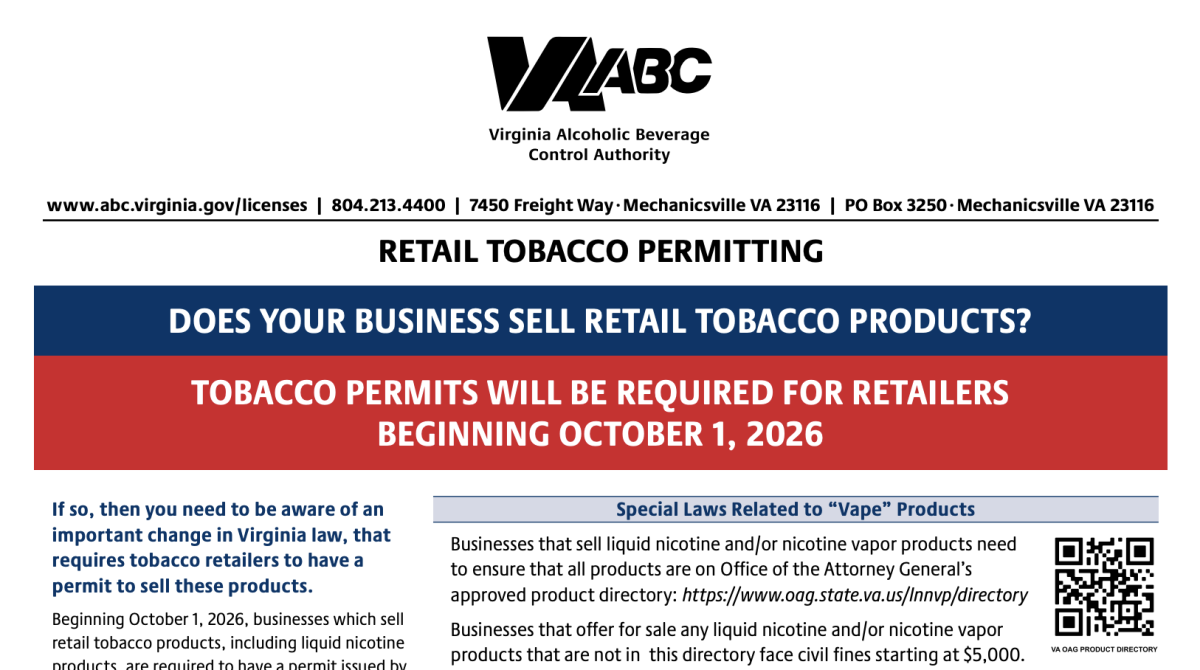
Virginia Tobacco Retail Permit Takes Effect October 1, Covering Vapes as More Than 3,000 Businesses Apply in September
Virginia's new retail tobacco permit system took effect October 1, requiring sellers of vapes, nicotine products and related devices and accessories to obtain a Retail Tobacco Permit for each business location. Virginia ABC said more than 3,000 businesses applied in September alone, creating a processing backlog. Qualifying applicants that filed before October 1 may temporarily operate under a Letter of Authorization. The new store-level permit also sits alongside Virginia's existing vape product directory, where sales of unlisted liquid nicotine or nicotine vapor products can trigger civil penalties starting at $5,000.
Regulations
Oct.03
German Bundestag Passes Tobacco Tax Hikes: Vape Liquid Duty to Reach €0.44/ml, Heated Tobacco Taxes to Rise and Cigarettes Seen Near €12 a Pack
Germany's Bundestag passed amendments to the Tobacco Tax Act on October 15, 2026, setting out annual excise tax increases from 2027 through 2030 for e-cigarette liquids, heated tobacco, cigarettes and other tobacco products. Under the Finance Committee's amended bill, duty on qualifying e-liquids will rise from €0.32/ml in 2026 to €0.44/ml in 2030, an increase of 37.5%. Heated tobacco will retain its tax calculation based on 80% of the corresponding cigarette excise duty. The average price of a 20-cigarette pack is projected to approach €12 by 2030, with some brands potentially reaching €14. The legislation is projected to generate approximately €11.8 billion in additional tax revenue over four years and remains subject to further legislative procedures.
Regulations
Oct.19
Reynolds Puts Nearly 183,000 U.S. Contracted Outlets Under Age-Verification Rules, Covering 94% of Volume — Can It Shift an Unauthorized Vape Market?
Reynolds American says nearly 183,000 U.S. retail outlets are under contract, with its Retail Marketing Plan Contract covering about 94% of company volume and requiring point-of-sale age verification. The company combines those contracts with We Card, TruAge, NACS-linked infrastructure and POS integration, while enhanced Vuse Pro retail rules add ID scanning, purchase limits and stronger underage-sales accountability. The initial Vuse Pro rollout targets about 50,000 stores. The system is taking shape as unauthorized vapor products remain dominant in parts of the U.S. market: a 2026 study estimated they accounted for 69.4% of tracked brick-and-mortar e-cigarette dollar sales in December 2025.
Special Report
Oct.15
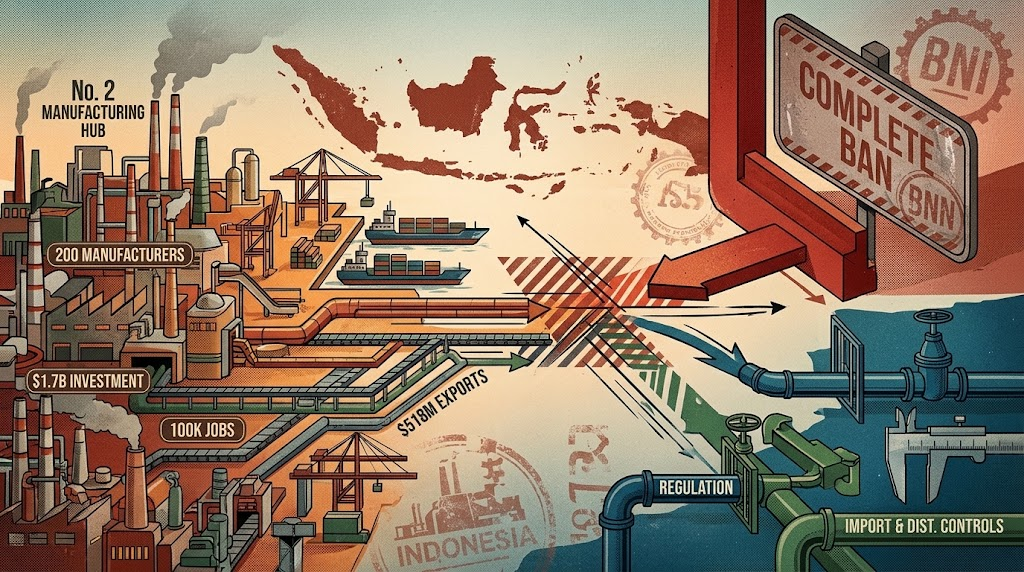
Special report|Indonesia's Vape Industry Has 200 Manufacturers and $1.7 Billion in Investment. Could a Regulatory Divide Derail Its Rise as the World's No. 2 Manufacturing Hub After Shenzhen?
Indonesia's Ministry of Industry said at a November 3, 2026, policy forum that the country has about 200 electronic cigarette companies, Rp31 trillion (approximately $1.71 billion) in cumulative industry investment and around 100,000 jobs across the supply chain. The National Narcotics Agency is seeking a comprehensive ban on vape use and circulation, while the industry ministry favors tighter import, product-standard and distribution controls. Indonesia exported approximately $518 million in vaping products in 2025, and Chinese manufacturers including Smoore, GEEKVAPE and Jinjia Group have established local operations. An international logistics specialist interviewed by 2Firsts said more Chinese vape companies began production in Indonesia from the second half of 2025, accompanied by increased shipments of manufacturing equipment and investment in logistics facilities. The regulatory debate comes as Indonesia expands its role in international vaping manufacturing.
Special Report
Nov.05