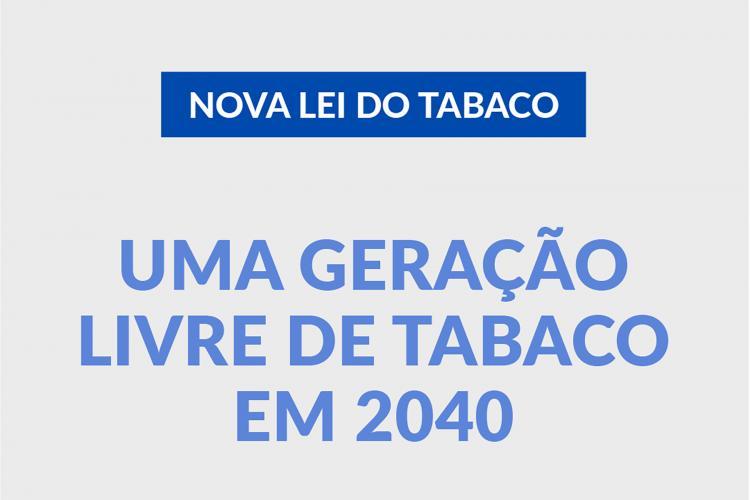
On May 10, the Portuguese government announced its commitment to achieving a smoke-free generation by 2040. They stated that they will be approving an amendment this week to incorporate the European Union's directive on heated tobacco products into Portuguese law. This amendment will prohibit the sale of heated tobacco products containing flavorings and expand smoke-free zones.
Regulation heats up tobacco products.
In response to the consumption of new tobacco products by young people, the Portuguese government is proposing amendments to the Tobacco Law to restrict smoking behavior and the sale of tobacco products, with the aim of reducing tobacco use and achieving the "smoke-free generation" plan by 2040. These amendments will be presented to Parliament.
From October 2023, Portugal will prohibit the sale of heated tobacco products containing flavorings. In addition, the new law will classify heated tobacco products in the same way as traditional tobacco and require health warning labels with both text and images on their packaging.
The proposed amendment to the bill introduces the following major changes:
Starting from October 23, 2023, heated tobacco products will be treated the same as traditional tobacco products in terms of odor, taste, and health warnings. Smoking will be prohibited in and around public spaces such as healthcare facilities, educational institutions, sports stadiums, stations, stops, and public transportation drop-off points. Except for airports, train stations, bus stations, seaports, and riverports, new smoking areas will not be created in enclosed areas where smoking is already prohibited. The ban on tobacco sales will be expanded to most smoke-free areas, and the definition of spaces where vending machines are allowed will be redefined, requiring a minimum distance of 300 meters from educational facilities. Changes to the tobacco sales ban will take effect in January 2025. The goal is to reduce tobacco use among the public.
The Portuguese government has stated that implementing effective measures to reduce tobacco use is part of their public policy. According to estimates from the government, approximately 13,500 people died in 2019 due to tobacco-related illnesses, and on average, smokers live 10 years less than non-smokers.
The Portuguese government plans to ban advertisements for tobacco products, e-cigarettes, and heated tobacco products in order to create a smoke-free environment for younger generations. Currently, Portugal has one of the lowest cigarette prices in Western Europe at around 5 euros ($5.50) per pack. Some argue that the government should increase tobacco taxes, but Health Minister Manuel Pizarro believes that excessively high prices will only encourage smuggling.
Reference:
Generation without tobacco by 2040
Disclaimer
This article is provided solely for professional research, industry discussion, and informational purposes. Any references to brands, companies, products, technologies, or policies are made for factual reporting and analytical purposes only, and do not constitute endorsement, recommendation, promotion, or advertising by 2Firsts.
Nicotine-containing products, including but not limited to cigarettes, e-cigarettes, heated tobacco products, and nicotine pouches, carry significant health risks. Readers are responsible for complying with all applicable laws and regulations in their respective jurisdictions, including age restrictions and access limitations.
The information contained in this article should not be regarded as investment, legal, medical, regulatory, or commercial advice. While 2Firsts strives to ensure the accuracy and reliability of its content, it does not assume liability for any direct or indirect loss arising from errors, omissions, inaccuracies, or reliance on the information contained herein.
This article is not intended for individuals below the legal age for accessing tobacco or nicotine-related information in their jurisdiction.
Copyright Notice
This article is either original content produced by 2Firsts or content reproduced, translated, summarized, or adapted from third-party sources with attribution where applicable. The intellectual property rights of the original content remain with 2Firsts or the respective original rights holders.
No individual or organization may copy, reproduce, distribute, republish, modify, translate, or otherwise use this content without prior authorization. Any unauthorized use may result in legal action.
For copyright-related inquiries, corrections, or removal requests, please contact: info@2firsts.com.
AI-Assisted Translation and Editing Notice
Portions of this article may have been translated, edited, or reviewed with the assistance of artificial intelligence tools to improve efficiency and readability. Due to the limitations of AI-assisted translation and editing, discrepancies, omissions, or inaccuracies may exist when compared with the original source.
Where applicable, readers are advised to refer to the original source for the most complete and accurate information. If you identify any errors or believe that any content infringes upon your rights, please contact us at info@2firsts.com, and we will review and address the matter promptly.