Although the best option is to quit smoking, those who are unable to do so have new options that can help reduce the damage caused to their health by cigarette consumption.
In recent years, tobacco companies have embarked on a transformation process, investing in innovation programs, technology, and scientific research to develop products that can offer adult smokers alternatives with reduced potential risk.
How they work and how they differ
Among the various options available on the market, vaping, also known as e-cigarettes, and heated or non-combustible tobacco stand out. And although surely all smokers have heard of these alternatives to cigarettes, do they really know about these products? Do they know what they consist of and how they work?
On one hand, vaping devices are based on a system that heats a liquid, which may or may not contain nicotine, to generate an inhalable vapor. This system eliminates tobacco combustion and reduces toxic levels by up to 95% compared to conventional cigarettes. The reason? It eliminates the smoke produced by burning traditional cigarettes. Therefore, these products have a potential reduced risk for smokers.
Another unique feature is that they eliminate bad odors. Most of the liquids used contain water, propylene glycol, glycerol, and flavors.
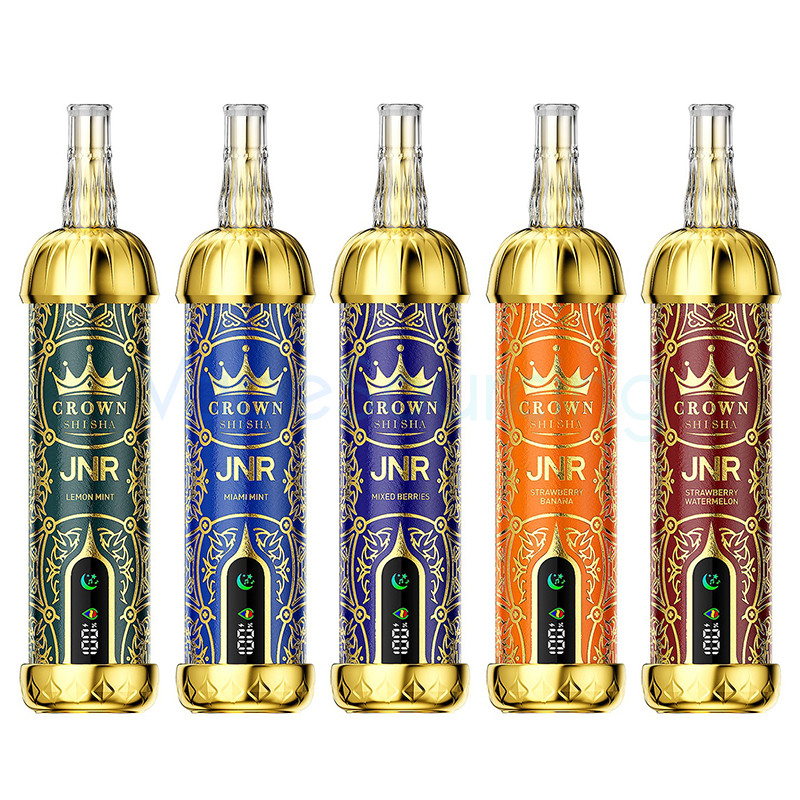
There are open, closed, and disposable systems. The main difference between the first two is that closed systems already have a pre-established pod, and users can choose from a range of flavors. As for open systems, the user has to manipulate the liquid, which is then filled into the tank, and it can also have different flavors. In the case of disposable devices, everything is integrated into a single unit: mouthpiece, battery, and liquid-heating atomizer.
Both vaping and heated tobacco are the result of years of research.
On the other hand, there are heated tobacco or non-combustible tobacco products that use the "heat not burn" technology. These are devices that heat specially designed tobacco units.
In this case, the tobacco is only heated to a temperature of up to 400°C without needing to reach high temperatures for burning (there is no combustion). This generates an aerosol that does not contain the solid particles found in cigarette smoke.
What do they have in common?
Although both alternatives to cigarettes eliminate tobacco combustion and are classified as options with reduced potential risk, they are not exactly the same products. However, in both cases, there is no combustion, which means there are no ashes or other residues, and they eliminate bad odors.
In the case of liquids, most of them contain water, propylene glycol, glycerol, and flavors, so they do not produce the unpleasant smell of traditional cigarettes, and the vapor aroma does not linger on hair or clothes. Similarly, heated tobacco products eliminate cigarette smoke, resulting in fewer persistent odors.
But most importantly, both options offer adult smokers alternatives to traditional tobacco consumption that can help, in many cases, to switch from the habit of smoking to the consumption of products with reduced potential risk.
Disclaimer
This article is provided solely for professional research, industry discussion, and informational purposes. Any references to brands, companies, products, technologies, or policies are made for factual reporting and analytical purposes only, and do not constitute endorsement, recommendation, promotion, or advertising by 2Firsts.
Nicotine-containing products, including but not limited to cigarettes, e-cigarettes, heated tobacco products, and nicotine pouches, carry significant health risks. Readers are responsible for complying with all applicable laws and regulations in their respective jurisdictions, including age restrictions and access limitations.
The information contained in this article should not be regarded as investment, legal, medical, regulatory, or commercial advice. While 2Firsts strives to ensure the accuracy and reliability of its content, it does not assume liability for any direct or indirect loss arising from errors, omissions, inaccuracies, or reliance on the information contained herein.
This article is not intended for individuals below the legal age for accessing tobacco or nicotine-related information in their jurisdiction.
Copyright Notice
This article is either original content produced by 2Firsts or content reproduced, translated, summarized, or adapted from third-party sources with attribution where applicable. The intellectual property rights of the original content remain with 2Firsts or the respective original rights holders.
No individual or organization may copy, reproduce, distribute, republish, modify, translate, or otherwise use this content without prior authorization. Any unauthorized use may result in legal action.
For copyright-related inquiries, corrections, or removal requests, please contact: info@2firsts.com.
AI-Assisted Translation and Editing Notice
Portions of this article may have been translated, edited, or reviewed with the assistance of artificial intelligence tools to improve efficiency and readability. Due to the limitations of AI-assisted translation and editing, discrepancies, omissions, or inaccuracies may exist when compared with the original source.
Where applicable, readers are advised to refer to the original source for the most complete and accurate information. If you identify any errors or believe that any content infringes upon your rights, please contact us at info@2firsts.com, and we will review and address the matter promptly.