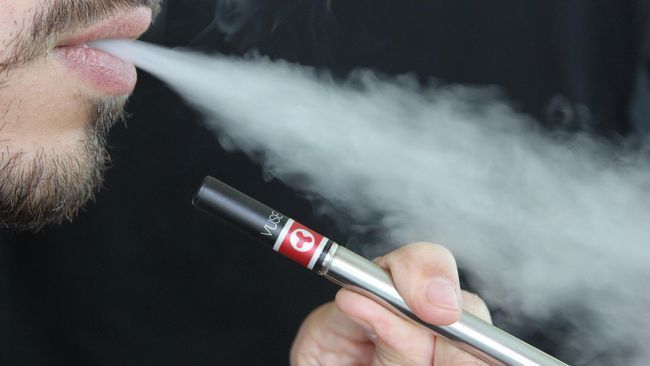
According to a report by CNN Indonesia on January 9th, a recent study has shown that the popularity of e-cigarettes among Indonesians has been increasing year by year, with many believing them to be more beneficial compared to traditional cigarettes. However, experts have issued warnings, stating that both e-cigarettes and traditional cigarettes carry health risks.
Agus Dwi Susanto, the chairman of the Indonesian Lung Physicians Association, highlighted in a recent online seminar that there has been a rapid increase in the usage of e-cigarettes. He explained several factors revealed in studies that contribute to this, such as the low nicotine content, variety of flavors, vaping techniques, and vaping trends.
In a study conducted in 2021 by lung specialists Erlang Samoedro and others, it was found that 76.7% of the 937 participants switched to e-cigarettes. The main reason cited for the switch was the lower nicotine content in e-cigarettes. Additionally, some high school students believed that e-cigarettes are not easily addictive and do not cause cancer.
However, Agus emphasizes that in fact, both e-cigarettes and traditional cigarettes have potential hazards. Though e-cigarettes do not contain tar, research shows that their e-liquid contains carcinogenic substances.
The World Health Organization has recommended that all member countries implement a ban on the sale of e-cigarettes, in order to reduce public health risks. The rapid rise in the use of e-cigarettes has raised concerns among experts and health organizations, prompting calls for measures to regulate the use and sale of e-cigarettes.
We welcome news tips, article submissions, interview requests, or comments on this piece.
Please contact us at info@2firsts.com, or reach out to Alan Zhao, CEO of 2Firsts, on LinkedIn
Notice
1. This article is intended solely for professional research purposes related to industry, technology, and policy. Any references to brands or products are made purely for objective description and do not constitute any form of endorsement, recommendation, or promotion by 2Firsts.
2. The use of nicotine-containing products — including, but not limited to, cigarettes, e-cigarettes, nicotine pouchand heated tobacco products — carries significant health risks. Users are responsible for complying with all applicable laws and regulations in their respective jurisdictions.
3. This article is not intended to serve as the basis for any investment decisions or financial advice. 2Firsts assumes no direct or indirect liability for any inaccuracies or errors in the content.
4. Access to this article is strictly prohibited for individuals below the legal age in their jurisdiction.
Copyright
This article is either an original work created by 2Firsts or a reproduction from third-party sources with proper attribution. All copyrights and usage rights belong to 2Firsts or the original content provider. Unauthorized reproduction, distribution, or any other form of unauthorized use by any individual or organization is strictly prohibited. Violators will be held legally accountable.
For copyright-related inquiries, please contact: info@2firsts.com
AI Assistance Disclaimer
This article may have been enhanced using AI tools to improve translation and editorial efficiency. However, due to technical limitations, inaccuracies may occur. Readers are encouraged to refer to the cited sources for the most accurate information.
We welcome any corrections or feedback. Please contact us at: info@2firsts.com