Russia May Allow Regions to Introduce Experimental Vape Sales Bans

Mar.31
Russia May Allow Regions to Introduce Experimental Vape Sales Bans
Russia’s government commission on legislative activity has approved second-reading amendments to a bill on licensing trade in tobacco and nicotine-containing products that would allow Russian regions to introduce experimental bans on vape sales.

Key Takeaways


  • Russia may allow regions to experimentally ban vape sales, specifically the retail sale of liquids for electronic nicotine delivery systems.
  • The relevant amendment has been approved by Russia’s government commission on legislative activity.
  • The proposed trial period would run from March 1, 2027 to March 1, 2032.
  • Regions that do not impose bans would continue under the general licensing regime for tobacco and nicotine-containing products.
  • The implementation date for tobacco and nicotine trade licensing is now planned for October 1, 2026 instead of March 1, 2026.


 2Firsts, March 31, 2026


According to Interfax, Russian regions may be given the right to introduce experimental bans on vape sales, specifically on the retail sale of liquids for electronic nicotine delivery systems.


Russia plans to let regions trial vape retail bans from 2027 to 2032


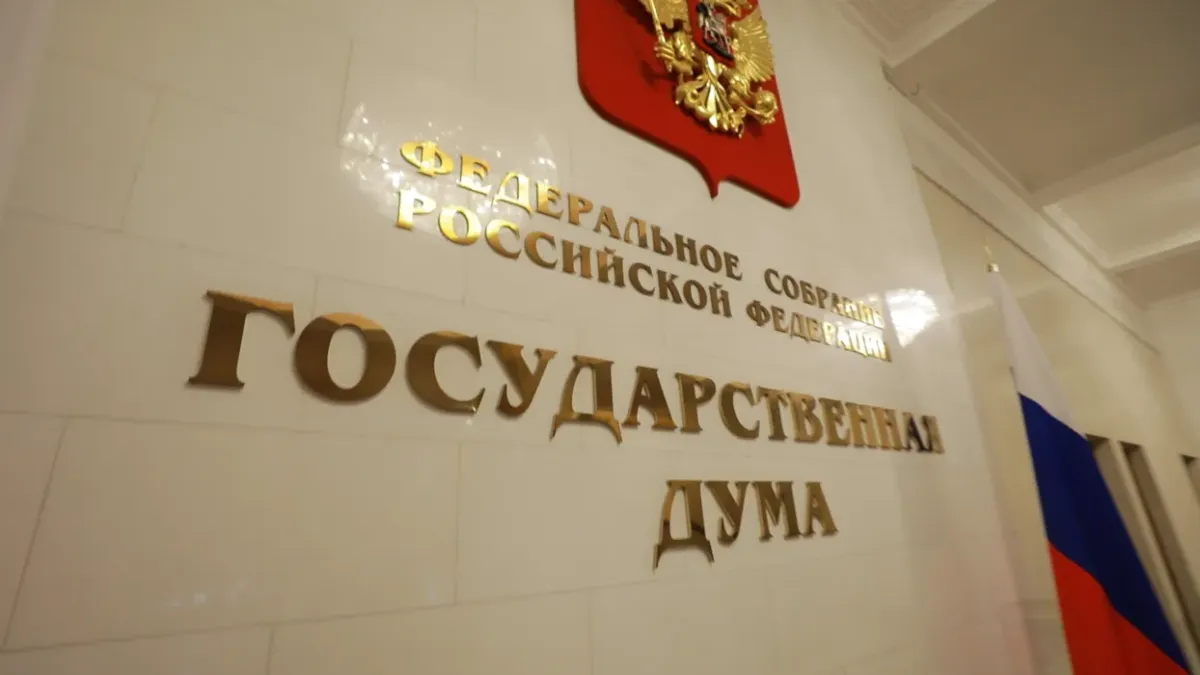
The office of Deputy Prime Minister Dmitry Grigorenko said Russia’s government commission on legislative activity approved amendments for the second reading of the bill introducing licensing for trade in tobacco and nicotine-containing products.


Under the proposal, the experimental period would run from March 1, 2027 to March 1, 2032. During that time, the effects of introducing the prohibitive measure in individual regions would be assessed.


Regions without bans would remain under the general licensing regime


Dmitry Grigorenko’s office said that in regions where no vape ban is introduced, the general regulatory framework would continue to apply, meaning licensing of the circulation of tobacco and nicotine-containing products.


The statement also noted that Russia already prohibits tobacco sales within 100 meters of educational institutions. Once licensing for tobacco and vape circulation is introduced, violation of this rule would result in cancellation of the retail license. The restricted zone would be calculated with account taken of artificial and natural barriers.


The launch of tobacco and nicotine licensing is now planned for October 1, 2026


Russia had previously planned to introduce licensing for wholesale and retail trade in nicotine-containing products from March 1, 2026. However, the bill, drafted by the Finance Ministry and adopted in the first reading, required further revision.


The new implementation date for the licensing system is now planned for October 1, 2026.


Image source: Interfax


We welcome news tips, article submissions, interview requests, or comments on this piece.

Please contact us at info@2firsts.com, or reach out to Alan Zhao, CEO of 2Firsts, on LinkedIn


Notice

1.  This article is intended solely for professional research purposes related to industry, technology, and policy. Any references to brands or products are made purely for objective description and do not constitute any form of endorsement, recommendation, or promotion by 2Firsts.

2.  The use of nicotine-containing products — including, but not limited to, cigarettes, e-cigarettes, nicotine pouchand heated tobacco products — carries significant health risks. Users are responsible for complying with all applicable laws and regulations in their respective jurisdictions.

3.  This article is not intended to serve as the basis for any investment decisions or financial advice. 2Firsts assumes no direct or indirect liability for any inaccuracies or errors in the content.

4.  Access to this article is strictly prohibited for individuals below the legal age in their jurisdiction.


Copyright


This article is either an original work created by 2Firsts or a reproduction from third-party sources with proper attribution. All copyrights and usage rights belong to 2Firsts or the original content provider. Unauthorized reproduction, distribution, or any other form of unauthorized use by any individual or organization is strictly prohibited. Violators will be held legally accountable.

For copyright-related inquiries, please contact: info@2firsts.com


AI Assistance Disclaimer


This article may have been enhanced using AI tools to improve translation and editorial efficiency. However, due to technical limitations, inaccuracies may occur. Readers are encouraged to refer to the cited sources for the most accurate information.

We welcome any corrections or feedback. Please contact us at: info@2firsts.com

India Steps Up Nicotine Pouch Enforcement as ZYN, White Fox Circulate and Drug Panel Urges Halt to New Nicotine Formulations
India's Ministry of Health and Family Welfare has directed states to step up enforcement against nicotine pouch sales, citing increased availability through online and offline channels and concern about nicotine exposure among children. Reuters reported that international brands including ZYN and White Fox are being sold in India. A study led by ICMR-NICPR found pouches in seven of 10 surveyed locations and identified 68 brands and 445 flavors online. Separately, India's Drugs Technical Advisory Board recommended in August that no new nicotine formulation be approved.
Regulations
Sep.28 by 2Firsts Perspectives
Italian Financial Police Seize 4.3 Million E-Cigarettes and Smoking Accessories; 28 Reported to Judicial Authorities Across Operations
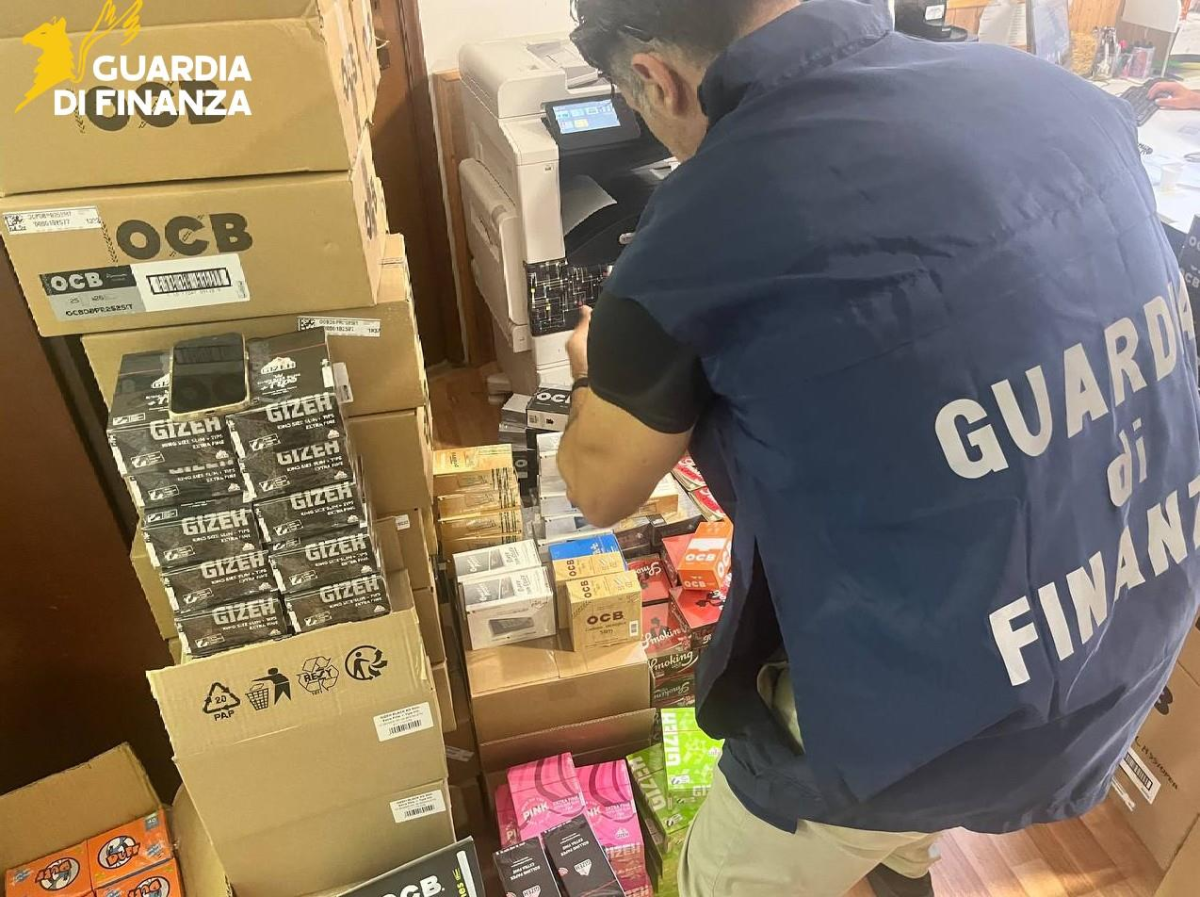
Italy's Guardia di Finanza announced on October 28 that officers in Latina province had seized approximately 4.3 million e-cigarettes and smoking accessories at an unauthorized warehouse in an operation involving restrictions on the possession and sale of tobacco-related products. Another 300,000 suspected counterfeit or unsafe items were confiscated during separate inspections, bringing total seizures across the operations to more than 4.6 million products. Twenty-eight people were reported to judicial authorities over suspected smuggling and counterfeiting offenses. Officials did not disclose separate vape quantities, the value of the merchandise or alleged violations associated with individual brands.
Enforcement
Oct.29
Malaysia's Poisons Board Backs New Vape Nicotine Exemption After Unanimously Opposing 2023 Proposal
Malaysia's Poisons Board has endorsed Health Minister Dzulkefly Ahmad's proposal to exempt liquid nicotine used in vaping products from the Poisons List, according to a November 2, 2026, report by CodeBlue. The Board unanimously opposed a similar proposal in 2023, but the government proceeded with the exemption. The Kuala Lumpur High Court invalidated the 2023 decision in May 2026, and the government withdrew its appeal in August. No new ministerial order has been published. The development raises questions about the interaction between Malaysia's two regulatory frameworks and the treatment of RM354.51 million in excise duties collected on e-cigarette and vape products between May 2023 and June 11, 2026.
Regulations
Nov.03
PMI Showcases ZYN, IQOS and U.S. Investments at NACS Show 2026
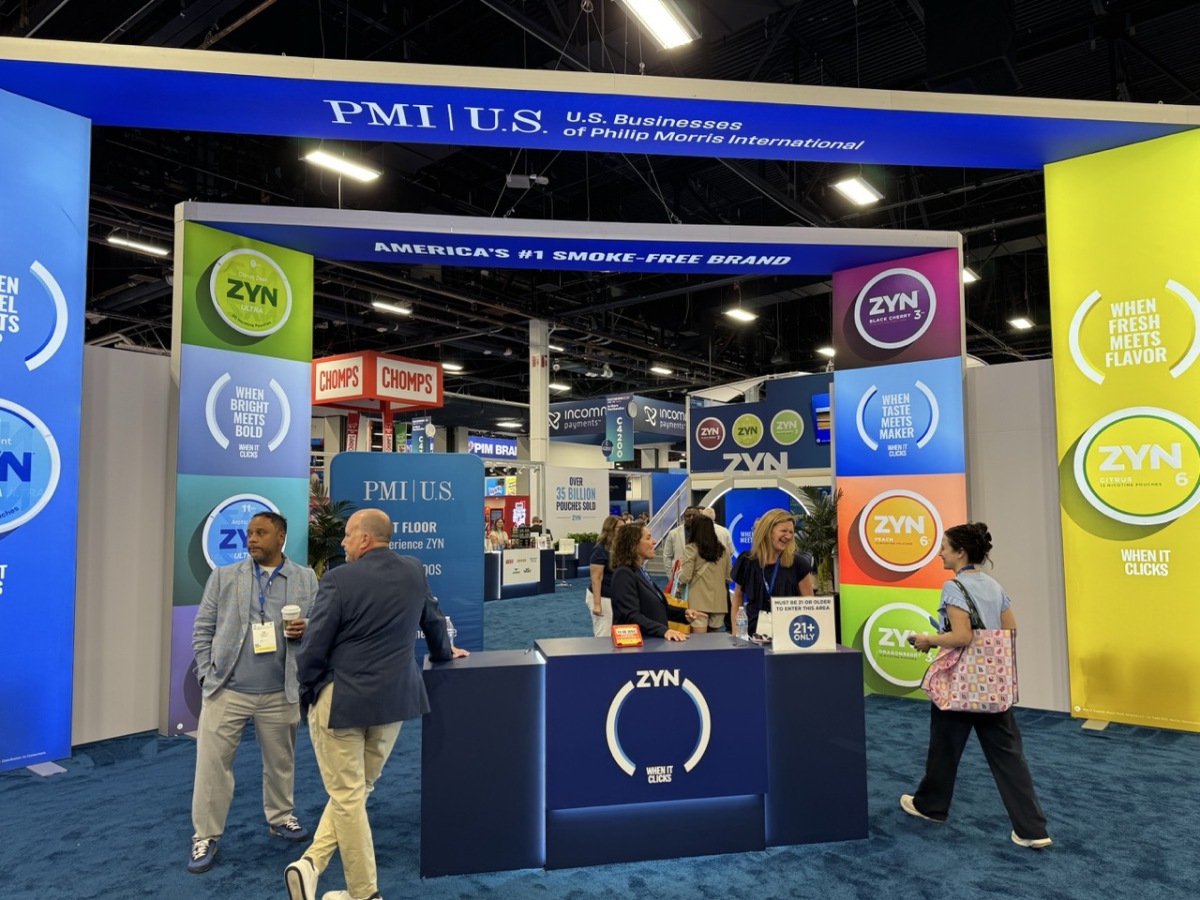
At the 2026 NACS Show in Las Vegas, Philip Morris International (PMI) showcased its ZYN nicotine pouches, IQOS heated tobacco products and U.S. investments. A 2Firsts review of FDA records found that several ZYN products displayed at the booth were not on the agency's marketing authorization list, including certain nicotine strengths and flavors. A PMI booth representative also confirmed that IQOS is currently sold in three U.S. states, while the newer IQOS ILUMA system remains under FDA review.
EXPO
Oct.10
South Korea Constitutional Court Upholds Volume-Based E-Liquid Tax, With Challenged Rates at KRW 370 and KRW 628 per Milliliter
South Korea's Constitutional Court has upheld fixed taxes on nicotine-containing e-cigarette liquids based on solution volume, ruling that challenged provisions imposing KRW 370 per milliliter in individual consumption tax and KRW 628 per milliliter in tobacco consumption tax do not violate the Constitution. The cases stemmed from historical disputes involving importers that reported nicotine as being extracted from tobacco stems rather than leaves. South Korea has since broadened its tobacco definition to include synthetic nicotine, while current tax laws provide reduced rates for certain products not derived from tobacco.
Sep.18
U.S. Judge Stays Helix, NJOY Challenge to FDA PMTA Rule Pending New Rulemaking Court Stays Altria's Helix, NJOY Challenge to PMTA Rule as FDA Prepares New Rulemaking
A federal judge in Texas on Oct. 8 granted a joint request by the FDA and plaintiffs including Altria subsidiaries Helix Innovations and NJOY to stay litigation challenging the agency's 2021 PMTA rule. The court cited FDA's anticipated rulemaking concerning the regulation at issue. FDA announced on Sept. 28 that it intends to reassess the PMTA framework and could initiate new rulemaking to replace it. The parties must file a joint status report within 45 days and every 45 days thereafter. A motion by three Reynolds American companies to intervene remains pending.
Regulations
Oct.10