Key Takeaways
- Russia’s State Commission for Countering Illegal Trafficking in Industrial Products on March 25 supported a full ban on electronic cigarettes, vapes and refill liquids.
- The commission is headed by First Deputy Prime Minister Denis Manturov.
- Sources said a draft law will be prepared following the commission’s decision.
- The original agenda had focused on stronger inspections of electronic nicotine delivery system market participants, especially retailers.
- The specific list of devices covered by the ban will be determined after broader discussion.
2Firsts, March 26, 2026
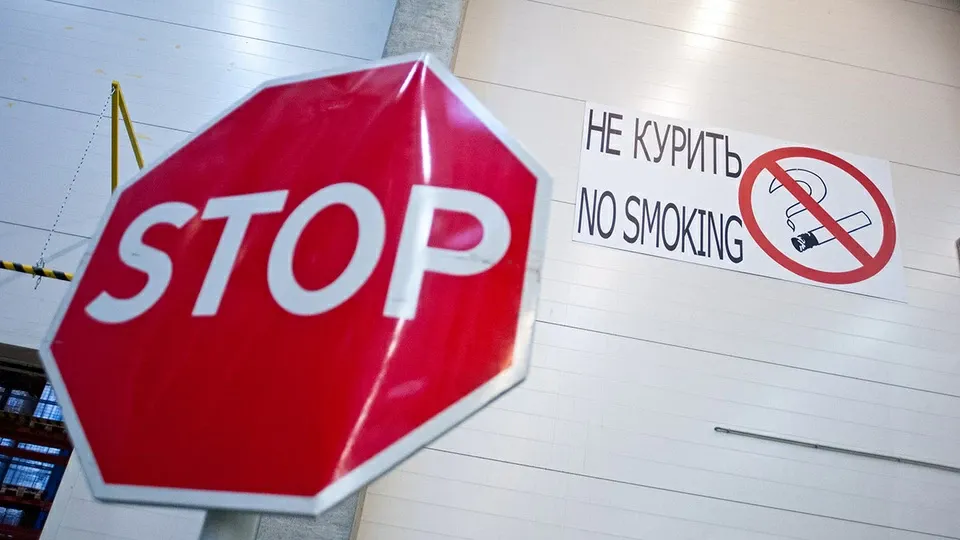
According to Vedomosti, Russia’s State Commission for Countering Illegal Trafficking in Industrial Products on March 25 supported an initiative to fully ban the production, import and circulation of electronic cigarettes, vapes and refill liquids in Russia.
State commission supported a full ban on e-cigarettes, vapes and refill liquids
The report, citing three sources, said the initiative was supported at the commission meeting, including two sources familiar with the course of the meeting and one source in the Health Ministry. The commission is headed by First Deputy Prime Minister Denis Manturov.
One source said that following the commission’s decision, a corresponding draft law would be prepared. The report also said that initiatives agreed by the commission are often adopted because it is an interagency body that includes heads of federal and regional executive authorities.
The original agenda focused on stronger inspections, but the meeting shifted to support a full ban
Another source familiar with the meeting said the original plan had been to discuss stronger inspections of participants in the electronic nicotine delivery system market, especially retail outlets.
However, the report said that during the meeting, all participants ultimately reached a consolidated decision in favor of a full ban on the sale of electronic nicotine delivery systems and refill liquids.
The list of covered devices and the law’s drafter will be determined later
A source said the specific list of devices that would be covered by the ban will be approved after broader discussion of the initiative. According to the report, in addition to vapes and electronic cigarettes, electronic hookahs and electronic pipes may also fall within the electronic nicotine delivery system category.
The report also said the eventual drafter of the bill will be determined later. Possible authors could include lawmakers who are members of the commission or an interested ministry or agency such as the Health Ministry, the Industry and Trade Ministry, or Rospotrebnadzor.
In early December 2025, a group of six State Duma deputies also prepared amendments for second reading of a bill on licensing the circulation of tobacco and nicotine-containing products, including provisions limiting vape sales, though no date has yet been set for that second reading.
Image source: Vedomosti
We welcome news tips, article submissions, interview requests, or comments on this piece.
Please contact us at info@2firsts.com, or reach out to Alan Zhao, CEO of 2Firsts, on LinkedIn
Notice
1. This article is intended solely for professional research purposes related to industry, technology, and policy. Any references to brands or products are made purely for objective description and do not constitute any form of endorsement, recommendation, or promotion by 2Firsts.
2. The use of nicotine-containing products — including, but not limited to, cigarettes, e-cigarettes, nicotine pouchand heated tobacco products — carries significant health risks. Users are responsible for complying with all applicable laws and regulations in their respective jurisdictions.
3. This article is not intended to serve as the basis for any investment decisions or financial advice. 2Firsts assumes no direct or indirect liability for any inaccuracies or errors in the content.
4. Access to this article is strictly prohibited for individuals below the legal age in their jurisdiction.
Copyright
This article is either an original work created by 2Firsts or a reproduction from third-party sources with proper attribution. All copyrights and usage rights belong to 2Firsts or the original content provider. Unauthorized reproduction, distribution, or any other form of unauthorized use by any individual or organization is strictly prohibited. Violators will be held legally accountable.
For copyright-related inquiries, please contact: info@2firsts.com
AI Assistance Disclaimer
This article may have been enhanced using AI tools to improve translation and editorial efficiency. However, due to technical limitations, inaccuracies may occur. Readers are encouraged to refer to the cited sources for the most accurate information.
We welcome any corrections or feedback. Please contact us at: info@2firsts.com