Russian Interior Ministry proposes controlling 18 psychoactive substances to prevent abuse

Regulations by 2FIRSTS.ai
Aug.21.2024
Russian Interior Ministry proposes controlling 18 psychoactive substances to prevent abuse
Russia's Ministry of Internal Affairs proposes adding 18 psychoactive substances to controlled list to combat drug abuse risks.

According to a report in Kommersant on August 20, the Russian Ministry of Internal Affairs (MVD Rossii) has proposed adding 18 psychoactive substances to a controlled list, primarily due to the risk of abuse among drug users.


These substances include nine synthetic and natural cannabinoids, four types of opioids, four types of benzodiazepines, and one phenethylamine compound.


The proposal has been published on the regulatory draft portal website. According to the explanation provided in the proposal, the Ministry of Internal Affairs suggests adding these substances to the list of controlled substances under Category I (prohibited from circulation in Russia) and Category III (allowing exemptions for certain control measures).


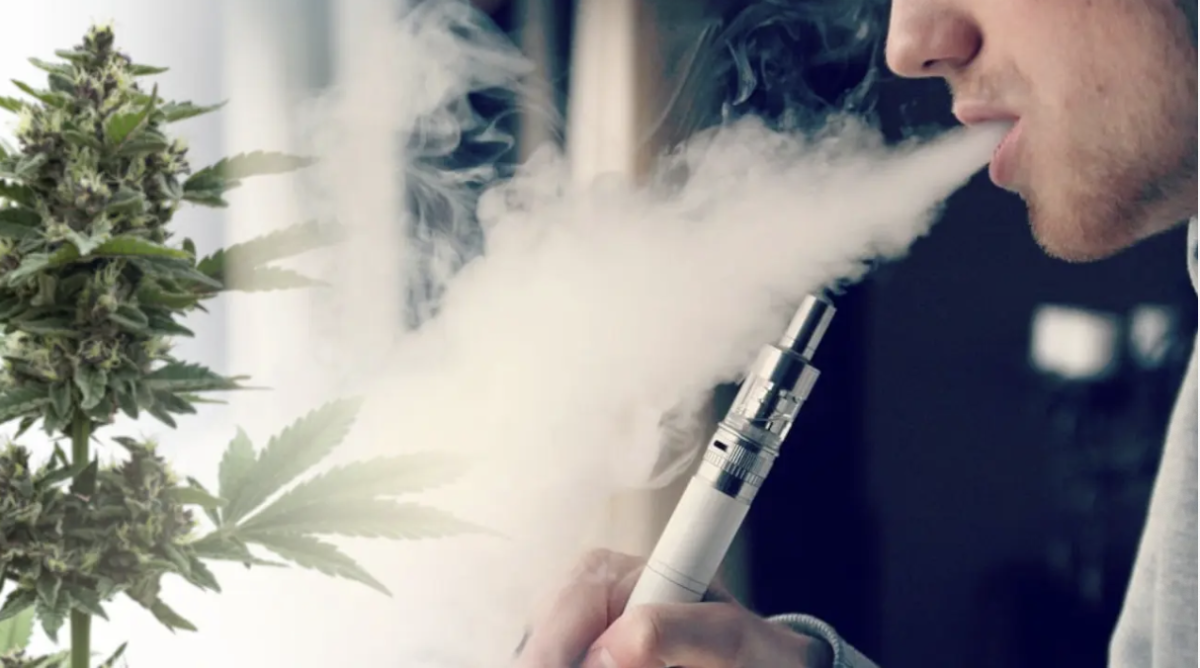
The proposal was put forward due to the appearance of e-cigarette liquids and food products containing cannabis ingredients in the European market.


The proposal also includes suggestions for amending Article 228 (drug trafficking) and Article 229 (theft of psychoactive substances) of the Russian Criminal Code.


This proposal aims to further combat the distribution and abuse of drugs, ensuring public health and social safety.


We welcome news tips, article submissions, interview requests, or comments on this piece.

Please contact us at info@2firsts.com, or reach out to Alan Zhao, CEO of 2Firsts, on LinkedIn


Notice

1.  This article is intended solely for professional research purposes related to industry, technology, and policy. Any references to brands or products are made purely for objective description and do not constitute any form of endorsement, recommendation, or promotion by 2Firsts.

2.  The use of nicotine-containing products — including, but not limited to, cigarettes, e-cigarettes, nicotine pouchand heated tobacco products — carries significant health risks. Users are responsible for complying with all applicable laws and regulations in their respective jurisdictions.

3.  This article is not intended to serve as the basis for any investment decisions or financial advice. 2Firsts assumes no direct or indirect liability for any inaccuracies or errors in the content.

4.  Access to this article is strictly prohibited for individuals below the legal age in their jurisdiction.


Copyright


This article is either an original work created by 2Firsts or a reproduction from third-party sources with proper attribution. All copyrights and usage rights belong to 2Firsts or the original content provider. Unauthorized reproduction, distribution, or any other form of unauthorized use by any individual or organization is strictly prohibited. Violators will be held legally accountable.

For copyright-related inquiries, please contact: info@2firsts.com


AI Assistance Disclaimer


This article may have been enhanced using AI tools to improve translation and editorial efficiency. However, due to technical limitations, inaccuracies may occur. Readers are encouraged to refer to the cited sources for the most accurate information.

We welcome any corrections or feedback. Please contact us at: info@2firsts.com

Imperial Tobacco Canada Responds to Anti-Smoking Groups on Youth Vaping
Imperial Tobacco Canada responded to the April 17 press conference by anti-smoking groups by calling for a more focused, fact-based discussion on youth vaping that targets the illicit market. The company said youth should not be using nicotine products and that it supports strong measures to prevent youth access, but argued that the discussion failed to clearly distinguish between the regulated market and the illicit market that is driving youth access.
Apr.22 by 2FIRSTS.ai
From Brands to Supply Chains: 2Firsts Builds a PMTA Compliance Service System for the U.S. Market
2Firsts supports new tobacco and nicotine companies entering the U.S. market with full-chain PMTA compliance services.
Jun.04
Product | ZYN Adds Tropical Flavor and Expands 1.5mg Nicotine Options in the Philippines
ZYN has expanded its nicotine pouch portfolio in the Philippines with the addition of Cool Breeze 1.5mg and Tropical in 3mg and 6mg strengths. Public information shows that 1.5mg is among the lower nicotine strengths offered by ZYN in the Philippine market and is positioned for adult nicotine consumers who are new to nicotine pouches.
PMI
Jun.08
Kyrgyzstan Plans to Extend E-Cigarette Import Ban by Another Six Months
According to Kyrgyzstan’s Ministry of Economy, the government plans to extend the current ban on e-cigarette imports by another six months once the existing measure expires, with the new restriction set to take effect on July 10, 2026. The ban covers disposable e-cigarettes as well as nicotine-containing liquids for reusable systems.
Apr.17 by 2FIRSTS.ai
AIR Expects to Complete CAEP Business Combination in Q2 2026 and List on Nasdaq
AIR Limited and Cantor Equity Partners III announced that the F-4 registration statement related to their proposed business combination was declared effective by the U.S. Securities and Exchange Commission on April 22, 2026. Under the arrangement first announced on Nov. 7, 2025, the combined company, AIR Global PLC, is intended to list on Nasdaq in the United States under the ticker “AIIR.”
Apr.24 by 2FIRSTS.ai
Namibia Moves to Tighten Laws on E-Cigarettes and Emerging Nicotine Products
Namibia is moving to tighten regulation of e-cigarettes and other emerging nicotine products as part of broader tobacco control efforts. Deputy health minister Susan Ndjaleka said the government is reviewing the Tobacco Products Control Act to close regulatory gaps and address emerging tobacco products. Namibia is also working toward joining the Protocol to Eliminate Illicit Trade in Tobacco Products in order to curb the black market and protect public revenue.
Apr.17 by 2FIRSTS.ai