Key Takeaways
• Person: Chong Jun Keong, 21, Malaysian
• Sentence: 41 weeks’ jail on Jan. 6, 2026; two counts pleaded, two taken into consideration
• Seizures: 17,955 vapes and 29,522 components at 45 Jalan Pemimpin; 5,564 vapes and 13,412 components at a Ubi warehouse
• Work details: packed about 80–90 parcels a day on Thursdays and Fridays; three drivers collected parcels; Malaysian drivers sometimes delivered fresh stock
• Penalty range: up to S$10,000 fine and/or up to six months’ jail per charge for possession of imitation tobacco products for sale
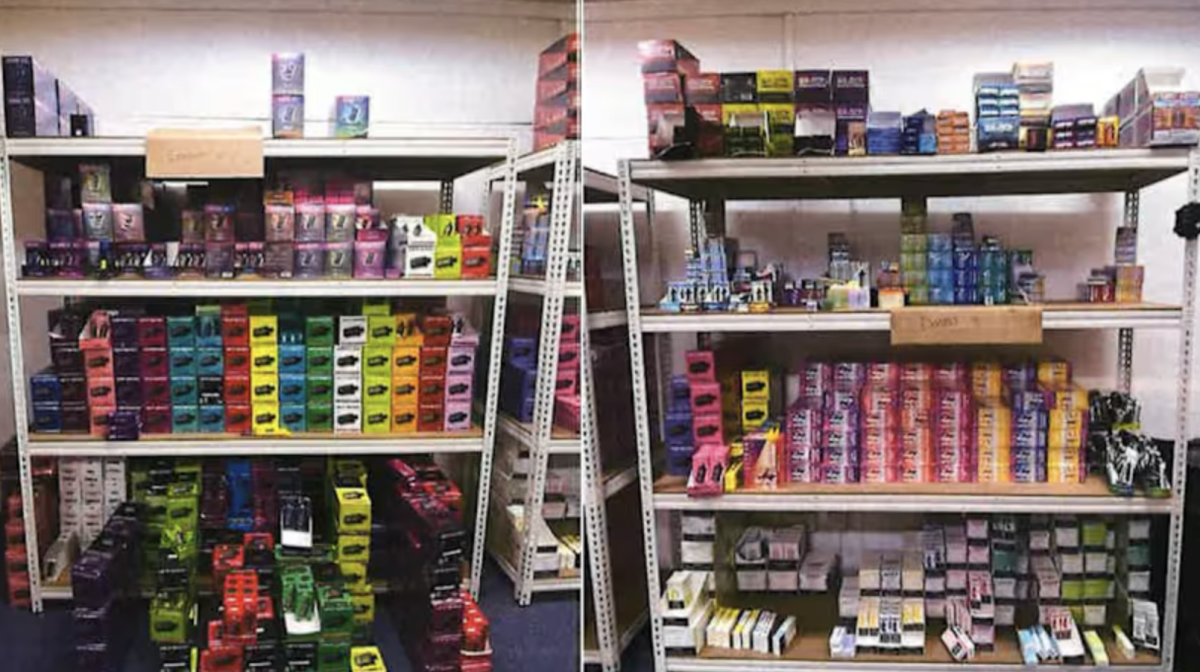
2Firsts, January 7, 2026 – According to Channel News Asia, HSA officers staked out a warehouse in Bishan after receiving a tip-off and found a Malaysian man in a warehouse containing thousands of vaporisers and related components. Checks of his phone revealed a second warehouse in Ubi containing large quantities of vapes and components such as pods and cartridges.
Chong Jun Keong, 21, was sentenced on Tuesday (Jan. 6) to 41 weeks’ jail after pleading guilty to two counts of possessing vapes or related components for sale, with another two charges taken into consideration.
The court heard Chong worked as a sales assistant at a handphone shop called Lanavape in Bukit Indah, Johor Bahru, earning RM6,000 (S$1,898) a month. In July 2024 he got to know a customer known as John, who in April 2025 offered him S$100 a day to work as a vape packer in Singapore. Chong began working around May 8, 2025 twice a week at a warehouse in Jalan Pemimpin and was given keys to that warehouse and a second warehouse in Ubi that opened in June 2025.
He worked at the first warehouse on Thursdays and Fridays, packing about 80 to 90 parcels a day using a phone and an app to follow John’s instructions. Delivery drivers collected the parcels and Chong locked up and returned to Malaysia. He said there were three drivers, two appearing Malaysian and one appearing Singaporean, and investigations found Malaysian drivers sometimes handed him fresh stock.
On July 11, 2025, HSA officers carried out an operation at the first warehouse at 45 Jalan Pemimpin and spotted Chong exiting the building. He was detained and escorted to the warehouse, where 17,955 vapes and 29,522 vape components were seized. The second warehouse location was found in his phone and opened with keys found in his vehicle, where officers seized 5,564 vapes and 13,412 vape components. Chong was found to be in possession of about 35,000 vapes or vape components for sale.
The prosecutor said the items in both warehouses were meant for sale and that evidence showed a syndicated operation. Chong was unrepresented and said through a Mandarin interpreter that he had been in Singapore for the past six months due to the case and had no income, relying on family support. The judge noted the need for deterrence. For possessing imitation tobacco products for sale, he could have been jailed for up to six months, fined up to S$10,000, or both per charge.
Image source: Channel News Asia
We welcome news tips, article submissions, interview requests, or comments on this piece.
Please contact us at info@2firsts.com, or reach out to Alan Zhao, CEO of 2Firsts, on LinkedIn
Notice
1. This article is intended solely for professional research purposes related to industry, technology, and policy. Any references to brands or products are made purely for objective description and do not constitute any form of endorsement, recommendation, or promotion by 2Firsts.
2. The use of nicotine-containing products — including, but not limited to, cigarettes, e-cigarettes, nicotine pouchand heated tobacco products — carries significant health risks. Users are responsible for complying with all applicable laws and regulations in their respective jurisdictions.
3. This article is not intended to serve as the basis for any investment decisions or financial advice. 2Firsts assumes no direct or indirect liability for any inaccuracies or errors in the content.
4. Access to this article is strictly prohibited for individuals below the legal age in their jurisdiction.
Copyright
This article is either an original work created by 2Firsts or a reproduction from third-party sources with proper attribution. All copyrights and usage rights belong to 2Firsts or the original content provider. Unauthorized reproduction, distribution, or any other form of unauthorized use by any individual or organization is strictly prohibited. Violators will be held legally accountable.
For copyright-related inquiries, please contact: info@2firsts.com
AI Assistance Disclaimer
This article may have been enhanced using AI tools to improve translation and editorial efficiency. However, due to technical limitations, inaccuracies may occur. Readers are encouraged to refer to the cited sources for the most accurate information.
We welcome any corrections or feedback. Please contact us at: info@2firsts.com