According to a report by the Daily Mail in Australia, the Ministry of Health has discovered that shops in the country's largest city openly defy the government's new ban and continue to sell nicotine e-cigarette products. The ban, which came into effect on January 1st, prohibits the import of disposable e-cigarettes and retailers are prohibited from selling e-cigarettes containing nicotine. The Minister of Health, Mark Butler, hailed this reform as "world-leading" and emphasized that "if you smoke e-cigarettes, the New Year's resolution is to quit." However, Butler's efforts seem to have gone up in smoke as they are being blatantly disregarded by various specialty stores and convenience stores.
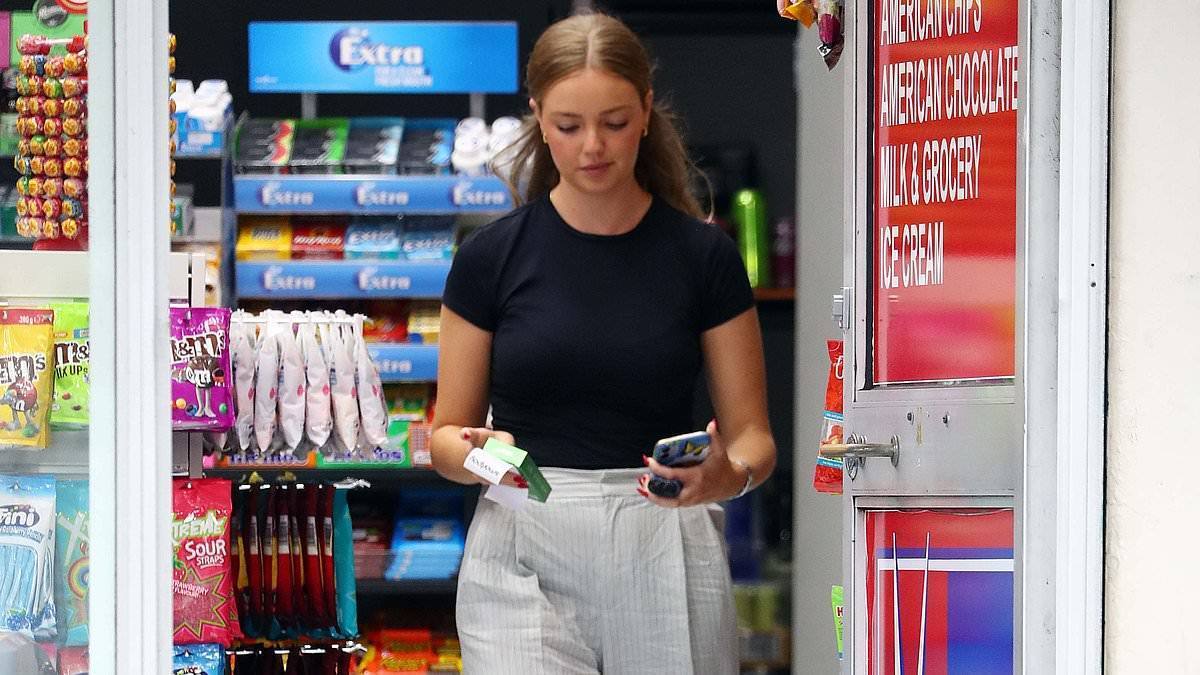
At the trendy King Street in Newtown, Sydney, the Daily Mail has uncovered at least 20 independent and chain stores openly selling illegal nicotine e-cigarettes, illicit cigarettes, and other smoking devices. In some stores, reporters were presented with a plastic folder displaying dozens of different models and flavors for customers to choose from. These flavors include apple, blueberry, watermelon, and ice mango, despite the ban by the Butler government, indicating their nicotine content. The packaging of these products features bright colors and lively designs, making e-cigarettes resemble candies for children rather than nicotine products. Prices vary from $25 to $50 depending on the amount of inhalation capacity the e-cigarette possesses.
The process of purchasing these prohibited products is no different from buying legal goods. There is no identity verification to confirm age, and there are no secret whispers – just a straightforward credit card transaction in exchange for these banned items. Brian Marlow, the director supporting the legalization of e-cigarettes in Australia, revealed in an interview with the Daily Mail that this demonstrates the government's efforts to regulate e-cigarettes have been ineffective.
He stated, "The interesting aspect of this ban is that disposable e-cigarettes have never been legal in Australia and have always been prohibited."
He also mentioned that in 2021, the Morrison government banned any Australians from purchasing or importing nicotine e-cigarettes or e-cigarettes without a doctor's prescription. This aligns the import requirements with the regulations in Australian state and territorial laws that prohibit the sale of nicotine e-cigarettes.
However, many retailers and manufacturers are attempting to circumvent this regulation by falsely claiming that their products do not contain nicotine. Under the new ban, retailers are permitted to sell non-nicotine inventory imported prior to this year.
Starting from March 1st, the importation of all non-therapeutic e-cigarettes, as well as personal use e-cigarettes, will be prohibited. To comply with the changes in import regulations, a new access mechanism will be established, allowing doctors and nurses to prescribe therapeutic e-cigarettes in appropriate cases. Mr. Malo stated that these bans only permit retailers to charge higher prices for e-cigarettes due to the increased risks associated with importation and sales.
He also stated that criminal gangs which import e-cigarettes from China and sell them to retailers can increase their profits. He stated, "Over 90% of e-cigarettes sold in Australia are from the black market."
For over a million e-cigarette users in Australia, what you see is a multi-billion-dollar industry that the federal government has no concrete plans to legalize. He says, "We are the only country in the world facing such a serious issue.
Mr. Malo also stated that these addictive e-cigarettes, such as IGET, are manufactured in China but are banned and rarely used by residents there. He said, "But here, we are enthusiastic about using it, with no problem exporting it to Australia. Due to our lack of proper market regulation, people are willing to break the law and face criminal charges. They are willing to sell to children. We allow criminals to act." Malo said that market restrictions, product standards, retailer licenses, and heavy fines for selling to minors will help eliminate the black market.
Marlowe has suggested that Australia should follow the lead of New Zealand, the UK, and other parts of the world in regulating e-cigarettes. He stated, "Allow the sale of high-quality e-cigarettes and subject them to the same regulations as other adult-only products, such as alcoholic beverages."
By engaging in such actions, adults would be able to access safer products with higher nicotine levels than those potentially found in illicit disposable items in China.
This will also counter the rampant black market of e-cigarettes created by the government." However, Professor Simon Chapman, a public health expert at the University of Sydney, argues that strict regulations are necessary for e-cigarettes and opposes labeling reform as a 'ban'. He told the media, "E-cigarettes are not banned, they should just always be heavily regulated. Anyone claiming that e-cigarettes are banned may also believe that every prescription drug made in Australia is similarly banned."
The government is currently cracking down on the increased access to e-cigarettes by minors and the reasons why new non-smokers are starting to use nicotine e-cigarettes. Mr. Butler stated in his speech at the National Press Club in May 2023, "E-cigarettes are not recreational products, especially not for our children. This is the reality of e-cigarettes today.
Butler criticized the former coalition government, stating that while they established regulations for the import of e-cigarettes and sought legal prescriptions for smokers, they failed to strictly enforce these measures, thereby creating the perfect conditions for the rampant illegal market.
We welcome news tips, article submissions, interview requests, or comments on this piece.
Please contact us at info@2firsts.com, or reach out to Alan Zhao, CEO of 2Firsts, on LinkedIn
Notice
1. This article is intended solely for professional research purposes related to industry, technology, and policy. Any references to brands or products are made purely for objective description and do not constitute any form of endorsement, recommendation, or promotion by 2Firsts.
2. The use of nicotine-containing products — including, but not limited to, cigarettes, e-cigarettes, nicotine pouchand heated tobacco products — carries significant health risks. Users are responsible for complying with all applicable laws and regulations in their respective jurisdictions.
3. This article is not intended to serve as the basis for any investment decisions or financial advice. 2Firsts assumes no direct or indirect liability for any inaccuracies or errors in the content.
4. Access to this article is strictly prohibited for individuals below the legal age in their jurisdiction.
Copyright
This article is either an original work created by 2Firsts or a reproduction from third-party sources with proper attribution. All copyrights and usage rights belong to 2Firsts or the original content provider. Unauthorized reproduction, distribution, or any other form of unauthorized use by any individual or organization is strictly prohibited. Violators will be held legally accountable.
For copyright-related inquiries, please contact: info@2firsts.com
AI Assistance Disclaimer
This article may have been enhanced using AI tools to improve translation and editorial efficiency. However, due to technical limitations, inaccuracies may occur. Readers are encouraged to refer to the cited sources for the most accurate information.
We welcome any corrections or feedback. Please contact us at: info@2firsts.com