
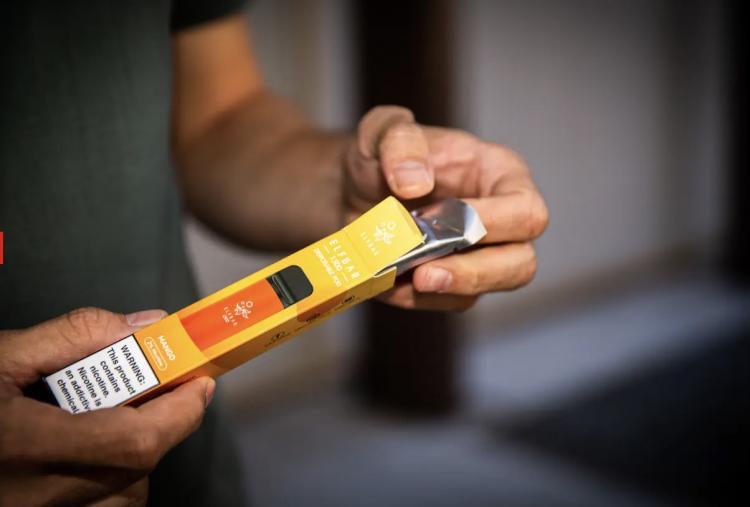
Valeria K., a 25-year-old from Switzerland, occasionally smokes and frequently smokes traditional cigarettes on weekends. However, this changed when his sister, who is 21 years old, introduced him to a new type of disposable e-cigarette.
Valeria K. states that the new single-use electronic cigarette is particularly popular among young people in Switzerland. Compared to traditional cigarettes, electronic cigarettes do not burn tobacco. Instead, a liquid is heated to produce vapor that is inhaled by the user. Most electronic cigarettes still contain nicotine. Valeria K. also notes that using electronic cigarettes does not result in a smoke smell on one's hands, clothes, or hair.
Sales increase monthly.
Electronic cigarettes are nothing new, but until recently, users have had to deal with bulky equipment. However, in recent years, countless new products have entered the market, becoming increasingly popular - including convenient disposable e-cigarettes. The Elfbar brand is particularly popular among young people, with a variety of bright colors available.
Mario Popo, 51-year-old chairman of the Swiss Electronic Cigarette Trade Association, has stated that since the beginning of this year, sales of disposable e-cigarettes have been growing by 30% each month. Currently, they make up 30% of the electronic cigarette market. As these products become more popular, there are also more choices for flavors and brands. Valeria K. commented, "It reminds me of hookah. Some contain nicotine, while others don't. There are different strengths and brands.
A recent study in the United States found that fruity flavored additives have an 82% market share. Similarly popular are the so-called icy or cold varieties, which include synthetic cooling agents. As a result, they produce a minty menthol flavor and a cool vapor sensation.
Tobacco alternatives
Manufacturers often sell electronic cigarettes as a substitute for traditional cigarettes. According to Mario Puppo, "In Switzerland, 10,000 people die every year due to tobacco consumption. The goal of marketing electronic cigarettes is to provide adult smokers with a product that reduces harm by 95%.
However, electronic substitutes are not entirely healthy: the vapor contains toxins and nicotine is addictive, causing lung tension even without smoke. Preventative experts have also criticized the fact that not only former smokers consume e-cigarettes, but they are also introduced to new customers.
Electronic Cigarettes and Environmental Issues
According to them, the fruity and fresh flavors are particularly attractive and make you consume more. Valeria K. says, "If you don't do this, you're more likely to smoke. If I walk 50 meters to the mailbox, I won't light up a cigarette. On the other hand, my e-cigarette is always ready in my pocket.
The Swiss tobacco prevention group has also criticized the marketing of disposable e-cigarettes. These e-cigarettes come in bright colors, trendy flavors, and contain high levels of nicotine and other chemicals. Their fashionable design primarily attracts young people. Additionally, they appear so inconspicuous that teachers and parents hardly notice them, according to Luciano Ruga, the director of the tobacco prevention group.
Improper disposal of the new type of "disposable e-cigarette" can also pollute the environment. Empty disposable e-cigarettes contain batteries, metals, and chemical residues. Surprisingly, they are so popular among the environmentally conscious younger generation.
Statement
This article is compiled from third-party information and is intended for industry exchange and learning purposes.
This article does not represent the views of 2FIRSTS and 2FIRSTS cannot confirm the truthfulness and accuracy of the content. The translation of this article is only intended for industry exchange and research purposes.
Due to limitations in the level of translation, the translated article may not accurately convey the original meaning. Please refer to the original article for accuracy.
2FIRSTS aligns completely with the Chinese government on any domestic, Hong Kong, Macau, Taiwan, or foreign-related expression or stance.
The copyright of compiled information belongs to the original media and author. If there is any infringement, please contact us for deletion.
Disclaimer
This article is provided solely for professional research, industry discussion, and informational purposes. Any references to brands, companies, products, technologies, or policies are made for factual reporting and analytical purposes only, and do not constitute endorsement, recommendation, promotion, or advertising by 2Firsts.
Nicotine-containing products, including but not limited to cigarettes, e-cigarettes, heated tobacco products, and nicotine pouches, carry significant health risks. Readers are responsible for complying with all applicable laws and regulations in their respective jurisdictions, including age restrictions and access limitations.
The information contained in this article should not be regarded as investment, legal, medical, regulatory, or commercial advice. While 2Firsts strives to ensure the accuracy and reliability of its content, it does not assume liability for any direct or indirect loss arising from errors, omissions, inaccuracies, or reliance on the information contained herein.
This article is not intended for individuals below the legal age for accessing tobacco or nicotine-related information in their jurisdiction.
Copyright Notice
This article is either original content produced by 2Firsts or content reproduced, translated, summarized, or adapted from third-party sources with attribution where applicable. The intellectual property rights of the original content remain with 2Firsts or the respective original rights holders.
No individual or organization may copy, reproduce, distribute, republish, modify, translate, or otherwise use this content without prior authorization. Any unauthorized use may result in legal action.
For copyright-related inquiries, corrections, or removal requests, please contact: info@2firsts.com.
AI-Assisted Translation and Editing Notice
Portions of this article may have been translated, edited, or reviewed with the assistance of artificial intelligence tools to improve efficiency and readability. Due to the limitations of AI-assisted translation and editing, discrepancies, omissions, or inaccuracies may exist when compared with the original source.
Where applicable, readers are advised to refer to the original source for the most complete and accurate information. If you identify any errors or believe that any content infringes upon your rights, please contact us at info@2firsts.com, and we will review and address the matter promptly.