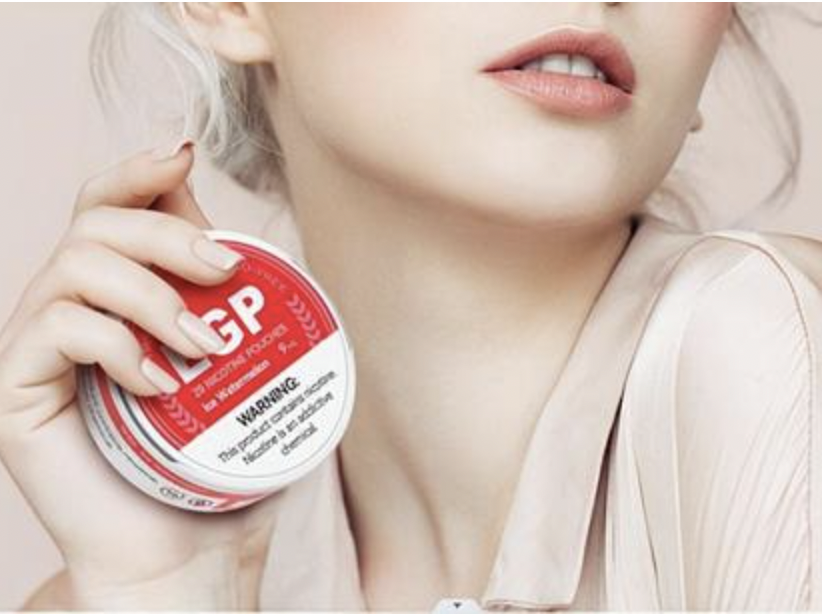
According to a recent report by LadBible, an alternative product called Snus (a tobacco-filled pouch) is gaining popularity, but experts are warning of potential health risks associated with this product. For those unfamiliar with this term, Snus is essentially a tobacco product that resembles small tea bags.
Snus, originating from Northern Europe, has been widely popular there and has actually become the most common type of tobacco product in Norway. It is also gaining increasing popularity among young people. However, in all European Union countries, as well as Australia and New Zealand, Snus is even illegal.
This small tobacco pouch is placed under a person's lip for approximately thirty minutes, often likened to a disposable tea bag. However, due to its nicotine content, Snus can be addictive.
Toxicology management consultant Libby Clarke has informed the media that the absorption of nicotine through oral products is slower compared to smoking cigarettes or e-cigarettes, suggesting that their potential for addiction may be lower.
However, a London dentist has warned on social media that using Snus by placing it on the gums may cause harm to the mouth, leading to gum disease and gingivitis, and possibly even pre-cancerous conditions. Currently, there is not a lot of data on the safety of Snus, but in theory, this product should be better than cigarettes, although it still poses health risks.
Pharmacist Ian Budd added that due to the presence of nicotine, Snus is considered an addictive substance, which is what initially leads to smoking addiction. Certain studies have indicated a potential correlation between Snus usage and higher rates of pancreatic cancer, heart failure, and diabetes, although research on this matter is still ongoing.
We welcome news tips, article submissions, interview requests, or comments on this piece.
Please contact us at info@2firsts.com, or reach out to Alan Zhao, CEO of 2Firsts, on LinkedIn
Notice
1. This article is intended solely for professional research purposes related to industry, technology, and policy. Any references to brands or products are made purely for objective description and do not constitute any form of endorsement, recommendation, or promotion by 2Firsts.
2. The use of nicotine-containing products — including, but not limited to, cigarettes, e-cigarettes, nicotine pouchand heated tobacco products — carries significant health risks. Users are responsible for complying with all applicable laws and regulations in their respective jurisdictions.
3. This article is not intended to serve as the basis for any investment decisions or financial advice. 2Firsts assumes no direct or indirect liability for any inaccuracies or errors in the content.
4. Access to this article is strictly prohibited for individuals below the legal age in their jurisdiction.
Copyright
This article is either an original work created by 2Firsts or a reproduction from third-party sources with proper attribution. All copyrights and usage rights belong to 2Firsts or the original content provider. Unauthorized reproduction, distribution, or any other form of unauthorized use by any individual or organization is strictly prohibited. Violators will be held legally accountable.
For copyright-related inquiries, please contact: info@2firsts.com
AI Assistance Disclaimer
This article may have been enhanced using AI tools to improve translation and editorial efficiency. However, due to technical limitations, inaccuracies may occur. Readers are encouraged to refer to the cited sources for the most accurate information.
We welcome any corrections or feedback. Please contact us at: info@2firsts.com