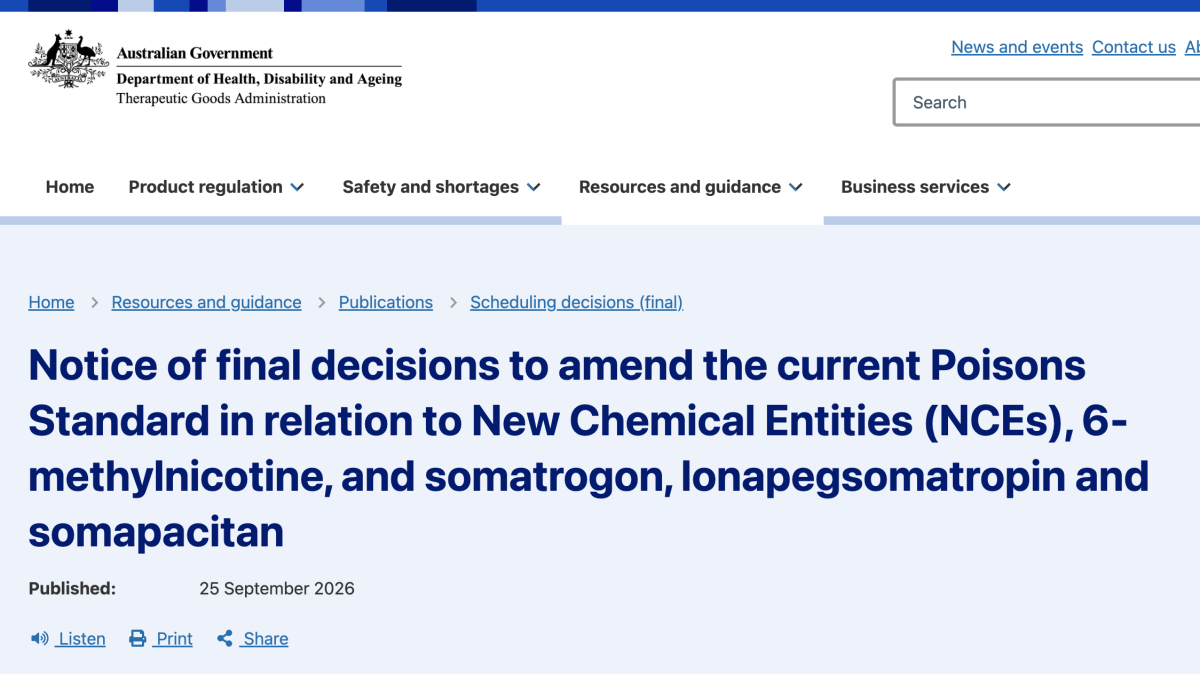
The guide, released in October by the Medicines and Healthcare products Regulatory Agency, states that any approved e-cigarette products will be available only on prescription from a doctor. "Whether it's the Covid-19 vaccine we've rolled out or the innovative public health measures we've taken to reduce the risk of serious illness, this country remains a global leader in healthcare," said Health Secretary Sajid Javid.
The Independent British Vape Trade Association (IBVTA) has welcomed these changes, which primarily involve "quality standards for dose uniformity, requirements for non-clinical toxicology data, and the design of clinical pharmacokinetic studies." IBVTA hopes that these updates, which reflect changes in the regulatory environment post-Brexit, will make it easier for e-cigarette companies to apply for medicinal licenses, a standard that was previously difficult to achieve.
The NHS is now able to prescribe e-cigarettes to smokers who wish to quit, making England a leader in the movement to reduce the harm caused by tobacco. Javid believes that England's wealthiest citizens live much longer than their less fortunate counterparts because they have access to harm reduction products, which is a matter of "moral outrage.
As a result, he plans to announce further measures to address the root cause of this disparity, believed to include promoting an "e-cigarette revolution" that encourages general practitioners to prescribe e-cigarettes.
The gradual e-cigarette policy in the United Kingdom.
The World Vapers Alliance (WVA) and WeVape have recently praised the British government for embracing science in reducing tobacco harm. While the World Health Organization (WHO) continues to wage war on electronic cigarettes and other safer nicotine alternatives through campaigns and similar initiatives, Britain has maintained its position through its progressive e-cigarette policy. As such, these groups have commended the British approach and are calling on British authorities to urge the WHO to change its stance.
The United Kingdom is leading the world in reducing harm and providing a great example for effective smoking cessation through electronic cigarettes in other regions. Our government has chosen a scientifically supported and proven path. Prior to the November World Health Organization conference, WeVape director Mark Oates says the UK needs to strengthen its commitment to e-cigarettes and encourage other countries to do the same.
Statement
This article is compiled from third-party information and is intended for industry exchange and learning purposes.
The views expressed in this article are not those of 2FIRSTS, and 2FIRSTS cannot confirm the authenticity or accuracy of the article's contents. The translation of this article is intended solely for industry communication and research purposes.
Due to limitations in the level of translation, the translated article may not fully convey the same meaning as the original. Please refer to the original article for accuracy.
2FIRSTS maintains complete alignment with the Chinese government in regards to any domestic, Hong Kong, Macau, Taiwan, or foreign related statements and positions.
The copyright of the compiled information belongs to the original media and authors. If there is any infringement, please contact us for removal.
Disclaimer
This article is provided solely for professional research, industry discussion, and informational purposes. Any references to brands, companies, products, technologies, or policies are made for factual reporting and analytical purposes only, and do not constitute endorsement, recommendation, promotion, or advertising by 2Firsts.
Nicotine-containing products, including but not limited to cigarettes, e-cigarettes, heated tobacco products, and nicotine pouches, carry significant health risks. Readers are responsible for complying with all applicable laws and regulations in their respective jurisdictions, including age restrictions and access limitations.
The information contained in this article should not be regarded as investment, legal, medical, regulatory, or commercial advice. While 2Firsts strives to ensure the accuracy and reliability of its content, it does not assume liability for any direct or indirect loss arising from errors, omissions, inaccuracies, or reliance on the information contained herein.
This article is not intended for individuals below the legal age for accessing tobacco or nicotine-related information in their jurisdiction.
Copyright Notice
This article is either original content produced by 2Firsts or content reproduced, translated, summarized, or adapted from third-party sources with attribution where applicable. The intellectual property rights of the original content remain with 2Firsts or the respective original rights holders.
No individual or organization may copy, reproduce, distribute, republish, modify, translate, or otherwise use this content without prior authorization. Any unauthorized use may result in legal action.
For copyright-related inquiries, corrections, or removal requests, please contact: info@2firsts.com.
AI-Assisted Translation and Editing Notice
Portions of this article may have been translated, edited, or reviewed with the assistance of artificial intelligence tools to improve efficiency and readability. Due to the limitations of AI-assisted translation and editing, discrepancies, omissions, or inaccuracies may exist when compared with the original source.
Where applicable, readers are advised to refer to the original source for the most complete and accurate information. If you identify any errors or believe that any content infringes upon your rights, please contact us at info@2firsts.com, and we will review and address the matter promptly.