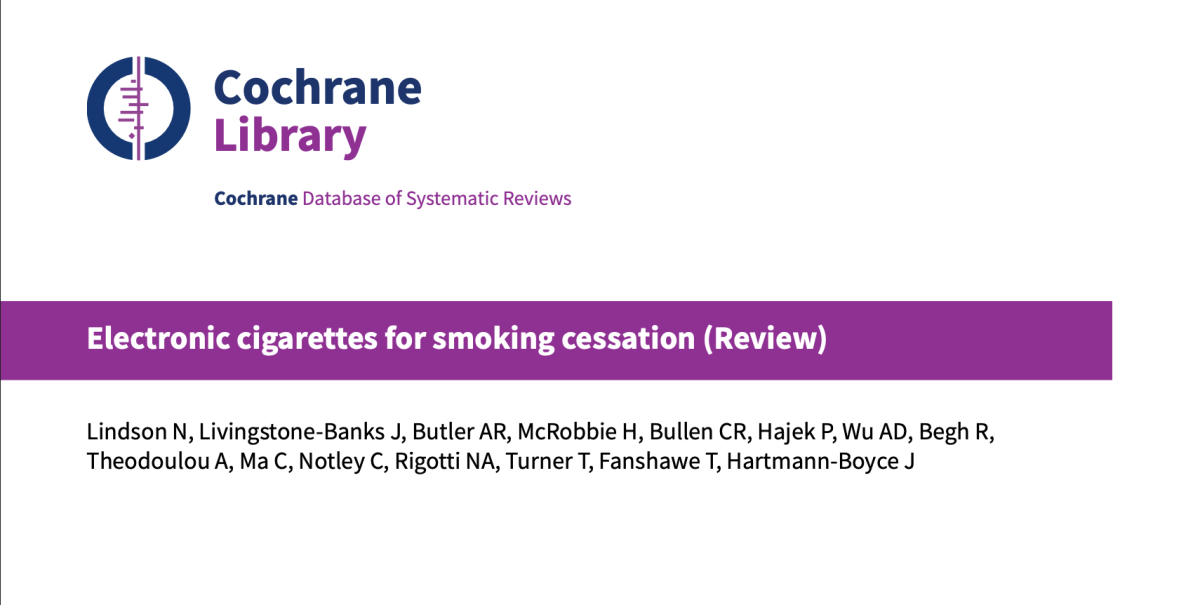
On December 5th, according to the UK retail website Talkingretail, the Association of Convenience Stores (ACS) has called for a "law enforcement-first" approach to regulate e-cigarettes in government consultations. This means providing more funding to consumer watchdog organizations, such as the Office of Fair Trading, and avoiding the implementation of policies that are difficult to enforce.
The American Cancer Society (ACS) has clearly stated that they do not support the ban on disposable e-cigarettes as it would immediately lead to a surge in the illegal market and be difficult to prevent those already engaged in illicit transactions.
Meanwhile, the American Cancer Society is urging the government to significantly increase and promote investment in education on recyclable devices to prevent "disposable" e-cigarettes from being discarded. They also clearly support strict regulations on tobacco flavor descriptions and packaging.
Products targeting children should be banned," said ACS, but it is important to preserve a range of flavors for adult consumers to help smokers transition from cigarettes to e-cigarettes.
James Lowman, the CEO of ACS, stated that the future discussion surrounding e-cigarettes should strive for a compliant, sustainable, and responsible market that aids smokers in quitting but restricts convenient access for young individuals.
Roman further commented, "A direct ban on disposable e-cigarettes may be too extreme and could fuel dangerous illicit trade, therefore, we must ensure that the recycling, flavor, and age verification policies for e-cigarettes are addressed.
The American Cancer Society (ACS) has expressed concerns regarding the government's plan to implement an annual increase in the ban on the sale of "intergenerational" tobacco products. These concerns include:
The potential growth of illicit tobacco trade that follows. The need for effective government communication on bans imposed on retailers and related age verification policies. Individuals attempting to purchase tobacco products face discriminatory risks from store clerks when asked to provide age verification.
Loman stated, "The government has openly disclosed its intention to forcefully impose a ban on "intergenerational" tobacco, but beforehand, they must consider all the impacts and risks to ensure that retailers and frontline colleagues who will implement such a ban are adequately equipped.
We welcome news tips, article submissions, interview requests, or comments on this piece.
Please contact us at info@2firsts.com, or reach out to Alan Zhao, CEO of 2Firsts, on LinkedIn
Notice
1. This article is intended solely for professional research purposes related to industry, technology, and policy. Any references to brands or products are made purely for objective description and do not constitute any form of endorsement, recommendation, or promotion by 2Firsts.
2. The use of nicotine-containing products — including, but not limited to, cigarettes, e-cigarettes, nicotine pouchand heated tobacco products — carries significant health risks. Users are responsible for complying with all applicable laws and regulations in their respective jurisdictions.
3. This article is not intended to serve as the basis for any investment decisions or financial advice. 2Firsts assumes no direct or indirect liability for any inaccuracies or errors in the content.
4. Access to this article is strictly prohibited for individuals below the legal age in their jurisdiction.
Copyright
This article is either an original work created by 2Firsts or a reproduction from third-party sources with proper attribution. All copyrights and usage rights belong to 2Firsts or the original content provider. Unauthorized reproduction, distribution, or any other form of unauthorized use by any individual or organization is strictly prohibited. Violators will be held legally accountable.
For copyright-related inquiries, please contact: info@2firsts.com
AI Assistance Disclaimer
This article may have been enhanced using AI tools to improve translation and editorial efficiency. However, due to technical limitations, inaccuracies may occur. Readers are encouraged to refer to the cited sources for the most accurate information.
We welcome any corrections or feedback. Please contact us at: info@2firsts.com