Ukrainian Customs Seizes Over 1,000 'ELFBAR' Vapes Worth $24,000

Nov.26.2024
Ukrainian Customs Seizes Over 1,000 'ELFBAR' Vapes Worth $24,000
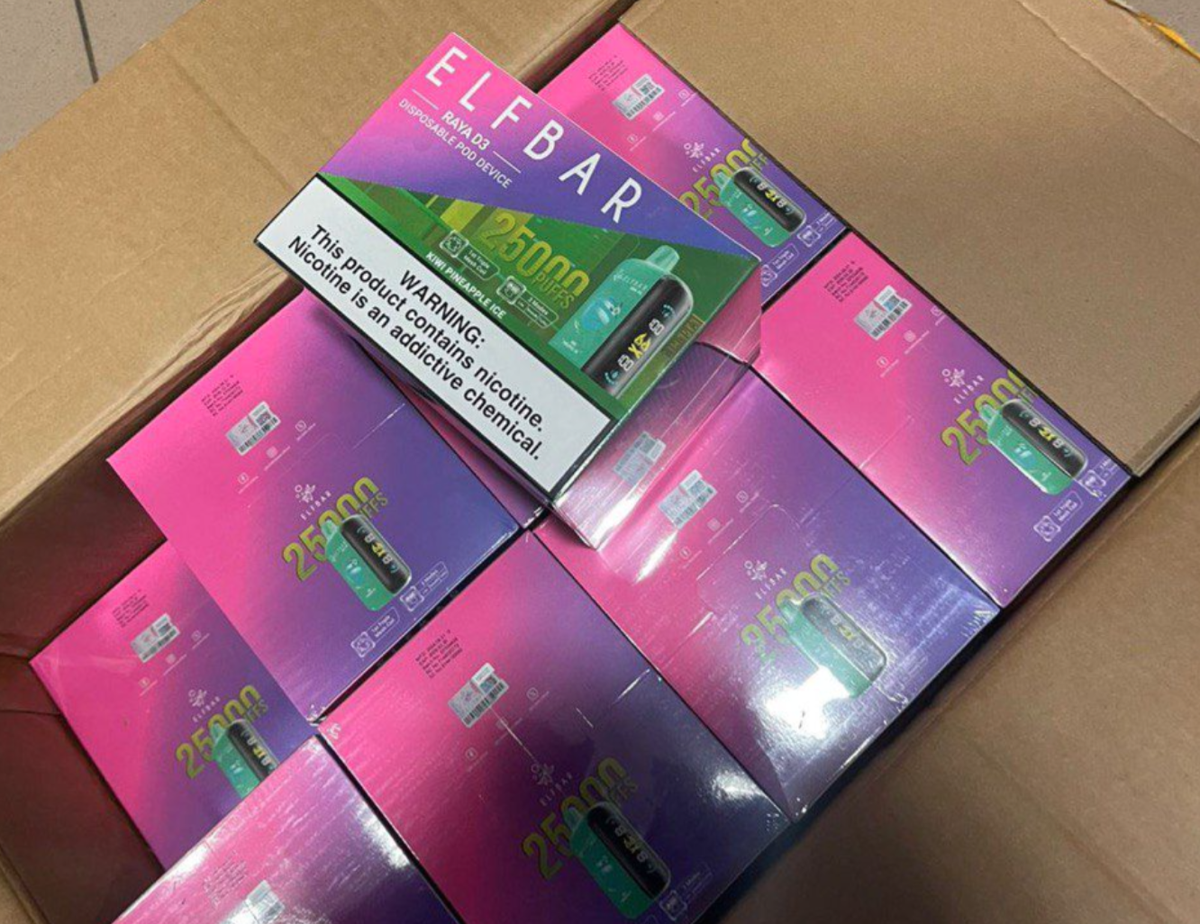
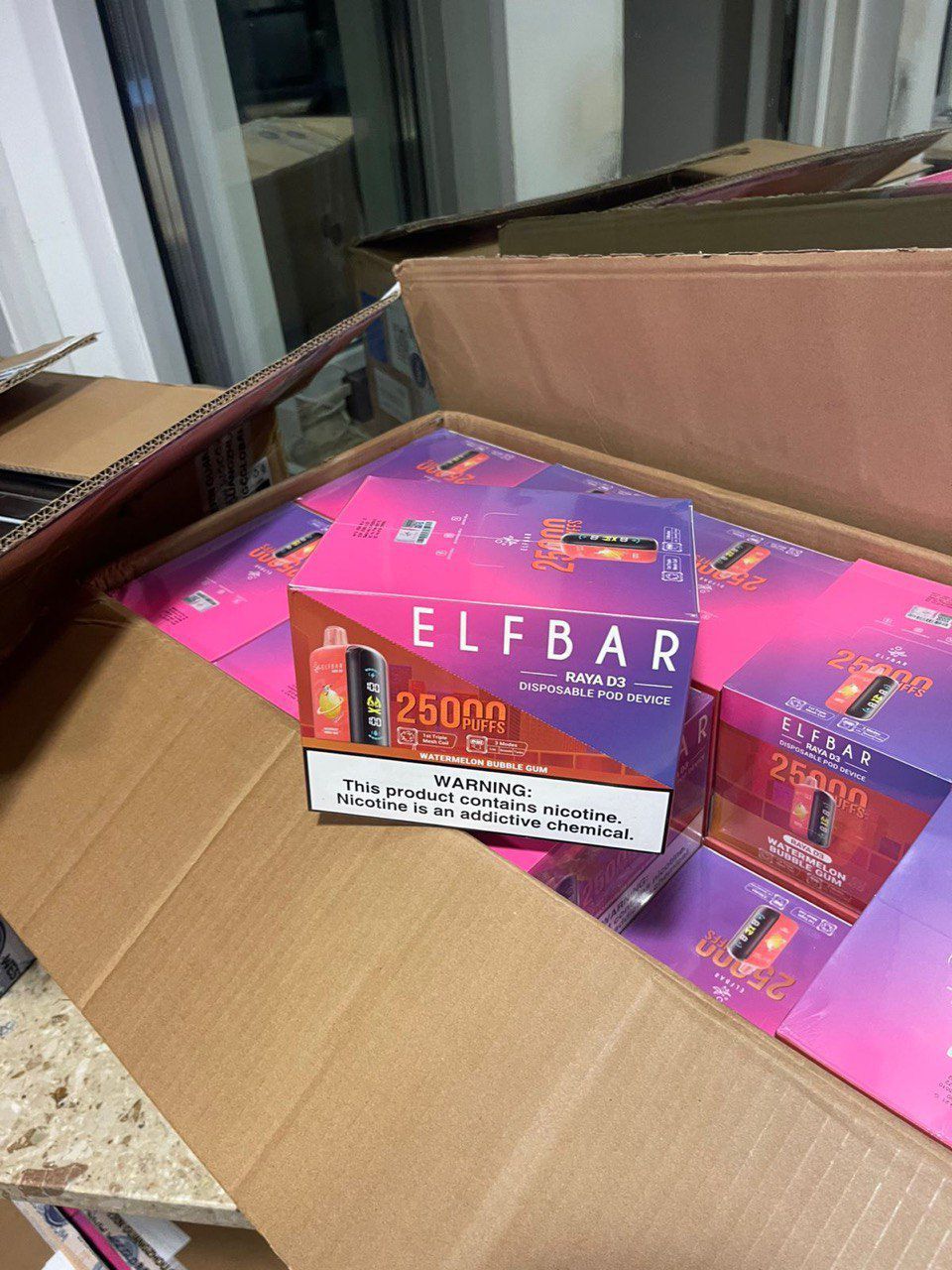
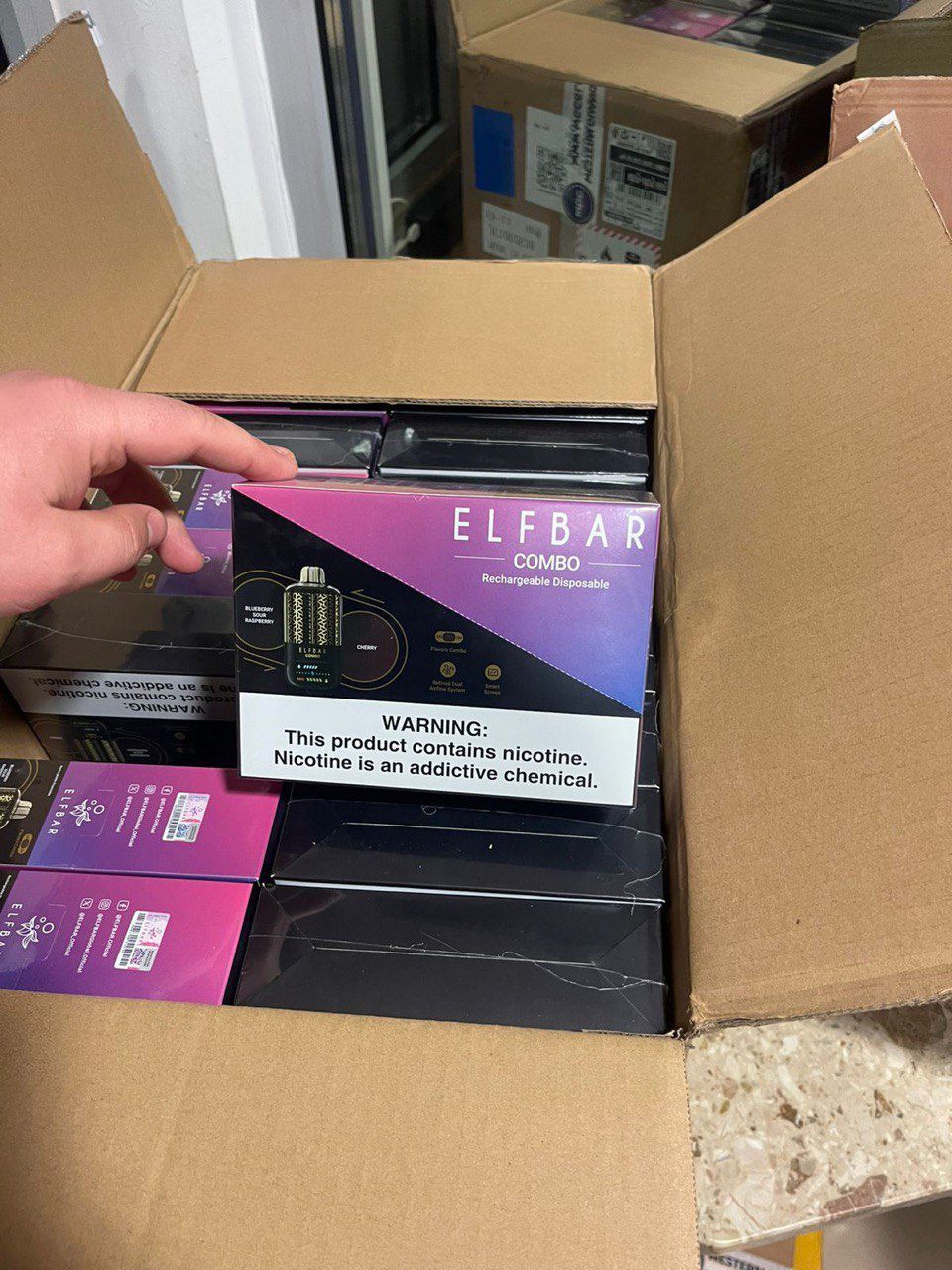
Ukrainian Customs seized 1,182 undeclared "ELFBAR" vapes, with an estimated value of approximately $24,000.

On November 25th, the State Customs Service of Ukraine (Державній митній службі) announced that customs officials at the Ugriniv-Dolhobychiv checkpoint discovered undeclared goods during a routine inspection of a passenger bus traveling from Kherson to Gdansk.
 

乌克兰海关查获逾1000支“ELFBAR”电子烟 涉案价值达2.4万美元
Ukrainian Customs seize 1182 "ELFBAR" e-cigarettes | Image source: Official website of the State Customs Service of Ukraine.


乌克兰海关查获逾1000支“ELFBAR”电子烟 涉案价值达2.4万美元
Ukrainian customs seize 1182 "ELFBAR" e-cigarettes | Image source: Official website of the State Customs Service of Ukraine


Two drivers had a total of 1182 "ELFBAR" e-cigarettes in their personal belongings, and both drivers admitted that the items belonged to them.


According to Article 471, paragraph 3 of the Ukrainian Customs Law, authorities have reached an administrative agreement with the two citizens in question. The estimated value of the goods involved is one million hryvnias (24,000 US dollars).


We welcome news tips, article submissions, interview requests, or comments on this piece.

Please contact us at info@2firsts.com, or reach out to Alan Zhao, CEO of 2Firsts, on LinkedIn


Notice

1.  This article is intended solely for professional research purposes related to industry, technology, and policy. Any references to brands or products are made purely for objective description and do not constitute any form of endorsement, recommendation, or promotion by 2Firsts.

2.  The use of nicotine-containing products — including, but not limited to, cigarettes, e-cigarettes, nicotine pouchand heated tobacco products — carries significant health risks. Users are responsible for complying with all applicable laws and regulations in their respective jurisdictions.

3.  This article is not intended to serve as the basis for any investment decisions or financial advice. 2Firsts assumes no direct or indirect liability for any inaccuracies or errors in the content.

4.  Access to this article is strictly prohibited for individuals below the legal age in their jurisdiction.


Copyright


This article is either an original work created by 2Firsts or a reproduction from third-party sources with proper attribution. All copyrights and usage rights belong to 2Firsts or the original content provider. Unauthorized reproduction, distribution, or any other form of unauthorized use by any individual or organization is strictly prohibited. Violators will be held legally accountable.

For copyright-related inquiries, please contact: info@2firsts.com


AI Assistance Disclaimer


This article may have been enhanced using AI tools to improve translation and editorial efficiency. However, due to technical limitations, inaccuracies may occur. Readers are encouraged to refer to the cited sources for the most accurate information.

We welcome any corrections or feedback. Please contact us at: info@2firsts.com

From Brands to Supply Chains: 2Firsts Builds a PMTA Compliance Service System for the U.S. Market
2Firsts supports new tobacco and nicotine companies entering the U.S. market with full-chain PMTA compliance services.
Jun.04
From myblu to Zone: Imperial Brands Refocuses NGP Strategy in HY26
mperial Brands’ HY26 results point to a more selective NGP transition. The company is using cash flow from traditional tobacco to fund targeted investments in modern oral nicotine, heated tobacco and reusable vaping systems. Its decision to exit the legacy myblu vaping business in the U.S., while expanding Zone nicotine pouches. In Europe, Imperial’s NGP growth is being driven by a multi-category portfolio including blu, Pulze and Zone/Skruf.
Special Report
May.12
Global Tobacco Control Faces Regional Adaptation Test as Nicotine Markets Evolve, Asian Specialist Says
As e-cigarettes, heated tobacco products and nicotine pouches expand across global markets, a central question is gaining urgency: can tobacco control rely on a universal policy model? In an interview with 2Firsts, Asian public health and addiction medicine specialist Dr. Rashidi Mohamed bin Pakri Mohamed says Western experience remains relevant, but policies must be adapted to local culture, healthcare systems, enforcement capacity, illicit markets and clinical evidence.
Jul.08
BAT Shares Surge Nearly 6% as FDA Policy Shift Eases Pressure on Vuse and Velo
British American Tobacco (BAT) shares rose sharply on May 12 after the U.S. Food and Drug Administration signaled it would deprioritize enforcement against certain unauthorized e-cigarette and nicotine pouch products with accepted premarket applications. Investors viewed the move as favoring established players such as BAT’s Vuse and Velo brands.
BAT
May.13
Australia Quantifies Black Market for First Time, Illicit Nicotine Products Account for About 80% of Consumption
The Australian Bureau of Statistics (ABS) has released its first estimate of the illicit nicotine market, finding that about 80% of cigarettes, vapes and other nicotine products consumed in 2025 came from illegal sources, reigniting debate over tobacco taxation and enforcement policies.
Jun.03
France Vape Market 2026: Use Reaches 7.9% Amid Tax, Regulatory and Scientific Debate
France remains one of Europe’s active vape markets in 2026, with adult vaping prevalence rising to 7.9%; at the same time, e-liquid taxation, public-space restrictions, advertising compliance and health-risk debate are pushing the industry into a critical policy period.
Jun.23