Key Takeaways
- PMI U.S. released a white paper on April 14 calling for cigarette smoking to be treated again as a core U.S. public health priority.
- The company also released results from a national online survey in which 79.00% of U.S. adults surveyed said more should be done to combat smoking-related harm.
- The survey was conducted online by independent research firm Povaddo among 2,000 U.S. adults aged 21 and older between February 27 and March 10, 2026, and was commissioned by PMI U.S.
- PMI U.S. said 52.00% of respondents incorrectly believe nicotine directly causes cancer, 73.00% believe all tobacco and nicotine products are equally harmful to the user, and 70.00% believe all such products pose the same public-health risk.
2Firsts, April 15, 2026
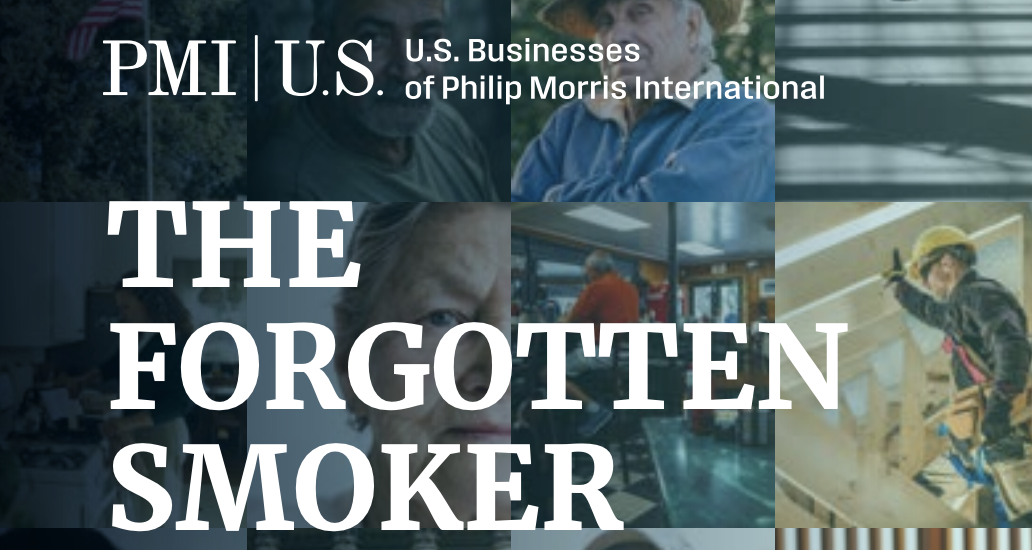
According to PRNewswire, Philip Morris International’s U.S. business, PMI U.S., released a white paper titled The Forgotten Smoker: Modern Solutions to America’s Oldest Public Health Challenge and said cigarette smoking should be brought back to the center of the U.S. public health agenda.
PMI U.S. released a white paper alongside national survey findings
PMI U.S. said results from its latest national survey showed that 79.00% of Americans surveyed believe more should be done to reduce smoking-related harm. Based on that backdrop, the company issued the white paper and called on policymakers, public health authorities, and medical professionals to renew their focus on adult smokers, particularly those it described as “forgotten smokers” who are disconnected from standard anti-smoking campaigns.
The survey was conducted online by independent research firm Povaddo among 2,000 U.S. adults aged 21 and older between February 27 and March 10, 2026. The survey was commissioned by PMI U.S.
The white paper set out several policy recommendations
According to PMI U.S., the white paper recommends engaging adult smokers more directly, improving scientific understanding of nicotine and the role of combustion in smoking-related disease, expanding access to smoke-free alternatives authorized by the U.S. Food and Drug Administration, countering nicotine misinformation, and implementing risk-based taxation.
PMI U.S. said wider access to newer smoke-free products should be paired with continued youth-access prevention and stronger enforcement against illicit products.
Survey findings highlighted confusion over nicotine and product risk
PMI U.S. cited survey findings showing that 52.00% of adult respondents incorrectly believe nicotine directly causes cancer, 73.00% incorrectly believe all tobacco and nicotine products are equally harmful to the user, and 70.00% believe they pose the same risk to public health.
The survey also found that 53.00% agreed adults who still smoke should be encouraged to switch from cigarettes to smoke-free nicotine alternatives, 81.00% said public health agencies such as the FDA should provide scientifically substantiated information about the relative harms of tobacco and nicotine products, and 63.00% agreed FDA reform is needed to keep pace with newer smoke-free products.
PMI U.S. focused on FDA review, communication, and tax policy
The white paper also said there remains a backlog of smoke-free product applications at the FDA and called for clearer communication about which products the agency has authorized and what the science says about their relative risks, especially for medical professionals. It also argued that tax policy should do more to discourage combustible cigarette use and encourage adult smokers to move to lower-risk alternatives.
PMI U.S. Chief Executive Officer Stacey Kennedy said that although smoking rates in the United States continue to decline, millions of adults still face health risks from cigarettes.
PMI U.S. Chief External Affairs Officer Keagan Lenihan said that reducing cigarette smoking will require timely FDA review and authorization of better smoke-free alternatives and a larger FDA role in communicating harm-reduction information to healthcare providers, policymakers, and the public.
Image Source: PRNewswire
White Paper Full Version: White Paper "The Forgotten Smokers
We welcome news tips, article submissions, interview requests, or comments on this piece.
Please contact us at info@2firsts.com, or reach out to Alan Zhao, CEO of 2Firsts, on LinkedIn
Notice
1. This article is intended solely for professional research purposes related to industry, technology, and policy. Any references to brands or products are made purely for objective description and do not constitute any form of endorsement, recommendation, or promotion by 2Firsts.
2. The use of nicotine-containing products — including, but not limited to, cigarettes, e-cigarettes, nicotine pouchand heated tobacco products — carries significant health risks. Users are responsible for complying with all applicable laws and regulations in their respective jurisdictions.
3. This article is not intended to serve as the basis for any investment decisions or financial advice. 2Firsts assumes no direct or indirect liability for any inaccuracies or errors in the content.
4. Access to this article is strictly prohibited for individuals below the legal age in their jurisdiction.
Copyright
This article is either an original work created by 2Firsts or a reproduction from third-party sources with proper attribution. All copyrights and usage rights belong to 2Firsts or the original content provider. Unauthorized reproduction, distribution, or any other form of unauthorized use by any individual or organization is strictly prohibited. Violators will be held legally accountable.
For copyright-related inquiries, please contact: info@2firsts.com
AI Assistance Disclaimer
This article may have been enhanced using AI tools to improve translation and editorial efficiency. However, due to technical limitations, inaccuracies may occur. Readers are encouraged to refer to the cited sources for the most accurate information.
We welcome any corrections or feedback. Please contact us at: info@2firsts.com