Virginia State to Fine Unregulated E-cigarette Companies Selling FDA-Unapproved Products

Regulations by 2FIRSTS.ai
Mar.22.2024
Virginia State to Fine Unregulated E-cigarette Companies Selling FDA-Unapproved Products
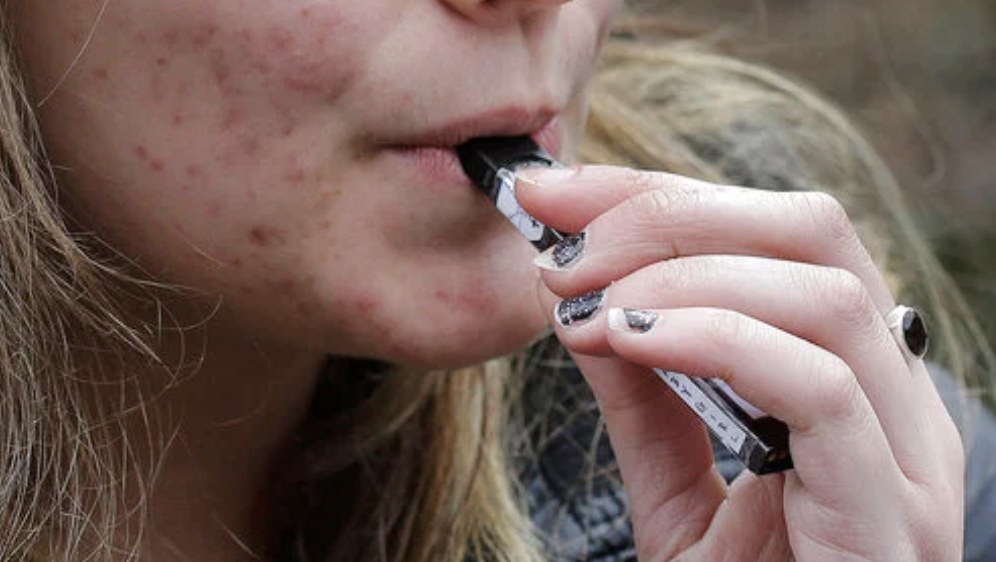
Virginia to fine unregulated e-cigarette businesses selling FDA-unapproved products $1000/day under House and Senate bills. Governor to decide by April 8.

According to wtkr on March 22, Virginia will fine businesses selling unregulated e-cigarettes that have not been approved by the FDA.


House Bill 1069 and Senate Bill 550 propose a daily fine of $1,000 for selling e-cigarette products without FDA approval. The sponsor of the House Bill, Rodney Willett, stated that approximately 1,400 products have currently been approved by the FDA.


The owner of an e-cigarette store in Virginia Beach said that their business will be affected if legislation is passed. "This will force us to close. Because if we are not on the attorney general's registry, we won't be able to sell at all.


Several e-cigarette shops in the state are selling e-cigarette products that are not listed on the registration list.


Willie said that the governor must decide whether to sign or veto the bill by April 8th.


We welcome news tips, article submissions, interview requests, or comments on this piece.

Please contact us at info@2firsts.com, or reach out to Alan Zhao, CEO of 2Firsts, on LinkedIn


Notice

1.  This article is intended solely for professional research purposes related to industry, technology, and policy. Any references to brands or products are made purely for objective description and do not constitute any form of endorsement, recommendation, or promotion by 2Firsts.

2.  The use of nicotine-containing products — including, but not limited to, cigarettes, e-cigarettes, nicotine pouchand heated tobacco products — carries significant health risks. Users are responsible for complying with all applicable laws and regulations in their respective jurisdictions.

3.  This article is not intended to serve as the basis for any investment decisions or financial advice. 2Firsts assumes no direct or indirect liability for any inaccuracies or errors in the content.

4.  Access to this article is strictly prohibited for individuals below the legal age in their jurisdiction.


Copyright


This article is either an original work created by 2Firsts or a reproduction from third-party sources with proper attribution. All copyrights and usage rights belong to 2Firsts or the original content provider. Unauthorized reproduction, distribution, or any other form of unauthorized use by any individual or organization is strictly prohibited. Violators will be held legally accountable.

For copyright-related inquiries, please contact: info@2firsts.com


AI Assistance Disclaimer


This article may have been enhanced using AI tools to improve translation and editorial efficiency. However, due to technical limitations, inaccuracies may occur. Readers are encouraged to refer to the cited sources for the most accurate information.

We welcome any corrections or feedback. Please contact us at: info@2firsts.com

Adani’s Mumbai Airport Duty-Free Shops Face Scrutiny Over Nicotine Pouch Sales in India
An Indian investigation found that duty-free shops at Mumbai international airport operated by billionaire Gautam Adani’s business group sold nicotine pouches in breach of the law, Reuters reported, in a case that could shape how India regulates sales of new nicotine products at airport retail outlets.
Jul.08
Global Tobacco Control Faces Regional Adaptation Test as Nicotine Markets Evolve, Asian Specialist Says
As e-cigarettes, heated tobacco products and nicotine pouches expand across global markets, a central question is gaining urgency: can tobacco control rely on a universal policy model? In an interview with 2Firsts, Asian public health and addiction medicine specialist Dr. Rashidi Mohamed bin Pakri Mohamed says Western experience remains relevant, but policies must be adapted to local culture, healthcare systems, enforcement capacity, illicit markets and clinical evidence.
Jul.08
AIR Shares Drop 18.6% in Nasdaq Debut, Testing Hookah’s Move Toward Public Markets
AIR Global’s Nasdaq debut under ticker AIIR ended with a 18.6% first-day decline, giving the global hookah industry a rare public-market reference point. Beyond one company’s share move, the listing raises a broader question: can a culturally rooted, fragmented and venue-based category evolve into a more scalable and investable consumer sector?
Special Report
May.19
Tobacco Farming in the New Nicotine Era: Why Indian Farmers Struggle to Transition — Contributed by Samrat Chowdhery
In this contributed article to 2Firsts, Mumbai-based journalist and harm reduction advocate Samrat Chowdhery examines India’s tobacco transition from the perspective of agriculture, supply chains and regulation. As noted by 2Firsts, India offers a relevant case for understanding how new nicotine technologies may affect not only consumption, trade and policy, but also tobacco farming.
Special Report
May.29
Reuters: Big Tobacco Emerges as Winner After FDA Regulatory Shift
According to Reuters, major tobacco companies may emerge as key beneficiaries after the U.S. FDA loosened regulations on vaping and nicotine pouch products, a shift that has sparked debate over public health risks.
Industry Insight
May.26
AHA Journal Study: WS-23 Triples Premature Heartbeats, Raising Concerns Over Vape Cooling Agents
A University of Louisville research team published a study in an American Heart Association journal suggesting that synthetic cooling agents used in e-cigarettes, including WS-3 and WS-23, may disrupt cardiac electrical activity and increase arrhythmia risk. In animal experiments, WS-23 tripled premature heartbeats.
Jun.16