West Virginia Senate Backs Vape Tax Increase to Offset Income Tax Cut

News
Feb.23
West Virginia Senate Backs Vape Tax Increase to Offset Income Tax Cut
The West Virginia Senate approved a 10% personal income tax cut on February 22, 2026, with part of the revenue offset coming from increased excise taxes on vape and e-cigarette products.

Key Points


  • The Senate approved a 10% personal income tax cut bill on a 28–4 vote.


  • The legislation replaces the current 7.5 cents per milliliter vape tax with a tiered excise system.


  • Closed-system vape cartridges would be taxed at $1.20 per unit, and open systems at 25 cents per milliliter.


  • Lawmakers estimate the vape tax revision would raise approximately $22 million annually.


  • The income tax cut is projected to return $250 million to taxpayers when fully implemented.


2Firsts, February 23, 2026


According toThe Weirton daily times, The West Virginia Senate passed Senate Bill 392 on Friday, approving a 10% reduction in personal income tax rates while incorporating higher excise taxes on vape and e-cigarette products as a partial revenue offset.


The bill passed in a 28–4 vote and now heads to the House of Delegates. The measure would reduce personal income tax rates by approximately 10%, retroactive to January 1, and is projected to return $250 million to taxpayers when fully implemented.


As part of the Senate Finance Committee substitute, lawmakers revised the state’s existing vape excise tax. The current rate of 7.5 cents per milliliter would be replaced with a tiered structure based on product type. Closed-system vaping products, including cartridge and pod-based devices, would be taxed at $1.20 per cartridge. Open-system, refillable products would be taxed at 25 cents per milliliter. The revised structure is expected to generate an additional $22 million in revenue.


Senate Finance Committee Chairman Jason Barrett said the inclusion of the vape tax increase was intended to provide a revenue offset while encouraging further negotiations with the House regarding the full funding of the income tax cut.


The House Finance Committee’s version of the budget does not currently include the proposed income tax reduction. Several lawmakers raised concerns about fiscal sustainability, arguing that accelerating tax cuts beyond the state’s existing trigger mechanism could create budget pressures in future years.


Opponents also cited funding needs in areas such as education and child welfare. Supporters, however, said the measure balances tax relief with responsible revenue adjustments and does not alter existing restrictions on adult nicotine sales.


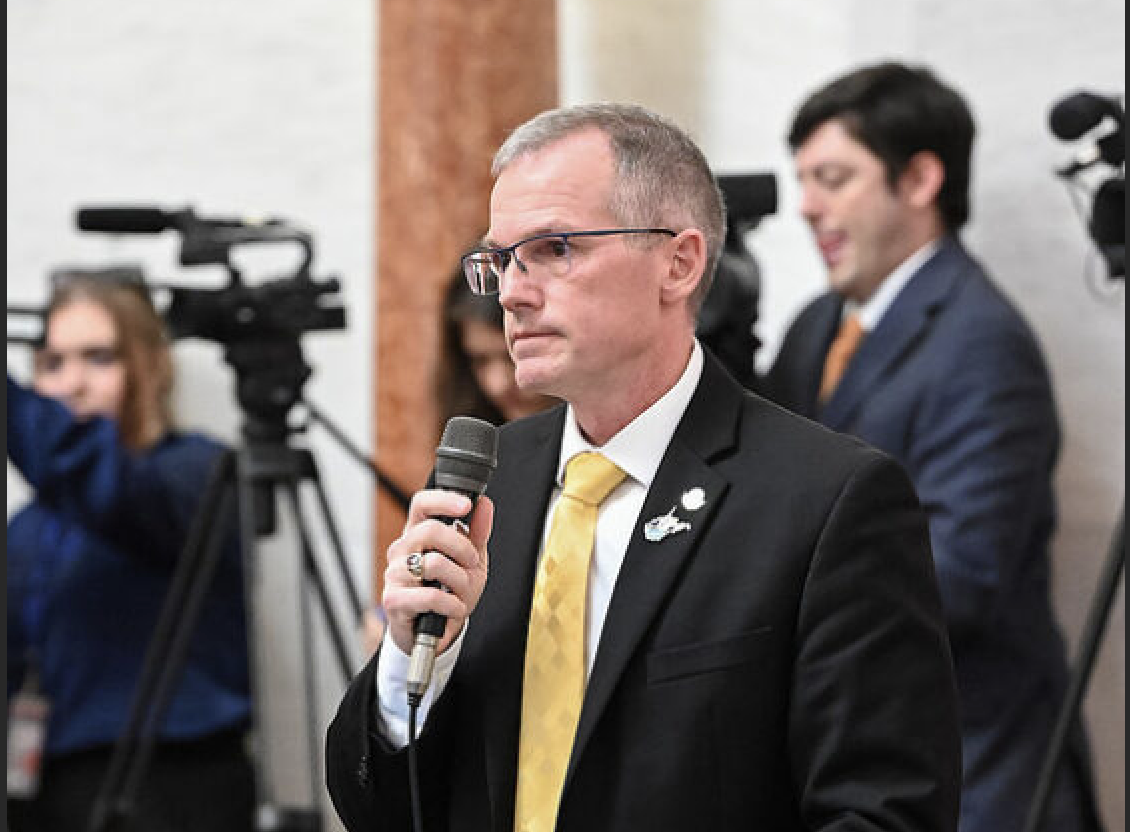
(Cover Image:State Sen. Eric Tarr, the former chairman of the Senate Finance Committee| Image source:WV Legislative Photography)

 

Small ENDS Manufacturers Press FDA on Abuse Liability Standards as Agency Defines Pharmacological Review Framework
At the third session of its PMTA roundtable, the FDA outlined its framework for assessing abuse liability in ENDS products, emphasizing the role of nicotine pharmacokinetics and product-specific data in APPH determinations. Small manufacturers questioned the high cost of clinical PK studies and the absence of defined numeric thresholds, while raising bridging strategies and PBPK modeling as potential alternatives.
Feb.11
PMTA Roundtable Opens with Industry Questioning Product Characterization Standards, FDA Defends Regulatory Boundaries
At the opening of FDA’s PMTA roundtable, small ENDS manufacturers warned that unclear product characterization standards are limiting their ability to invest and raise capital. FDA officials acknowledged industry concerns but said regulatory flexibility is constrained by statutory and procedural boundaries.
Feb.11
Michigan Senate Bill 786 Seeks to Ban Sale of Vapes With Metal Heating Elements
Michigan lawmakers introduced Senate Bill 786 on February 18, 2026, proposing to prohibit the sale or transfer of vapor products that contain heating elements unless those elements are made of or encased in glass or ceramic materials
Regulations
Feb.21
South Dakota Senate Committee Advances Bill Tightening Nicotine Retail Rules
South Dakota Senate Bill 221 (SB 221), which seeks to regulate the retail sale of nicotine products, has passed the Senate Health and Human Services Committee with a unanimous 7–0 recommendation. The bill was significantly amended, expanding from three to nine pages and shifting its focus from vapor products alone to all nicotine products.
Regulations
Feb.22
PMTA Manufacturing Panel Sees Small Firms Warn “Unknown Is Death” as FDA Defends Review Boundaries
During FDA’s Feb 10 PMTA roundtable (manufacturing controls panel), small ENDS manufacturers warned that uncertainty in manufacturing expectations creates existential financial risk. FDA officials reiterated review flexibility is constrained by statutory and scientific boundaries. The panel debated testing standards, documentation requirements, open-system responsibility, supply chain changes, and software updates—highlighting unresolved PMTA challenges for small manufacturers.
Feb.11
New Nicotine Products Added to Tax List in Delaware Budget Proposal
Delaware Governor Matt Meyer’s proposed FY2027 budget would significantly raise cigarette and nicotine product taxes to help close a $500 million budget gap and generate new revenue. The cigarette tax would rise from $2.10 to $3.60 per pack, with increases on moist snuff, e-liquids and other tobacco products. Supporters say the move is justified, while small businesses warn of potential sales losses.
Feb.17