Yinghe Technology's Sikary reports revenue of 1.274 billion yuan in 2025 first half, with net profit of 3.20 billion yuan

Aug.25.2025
Yinghe Technology's Sikary reports revenue of 1.274 billion yuan in 2025 first half, with net profit of 3.20 billion yuan
Yinghe Technology's subsidiary Sikary reports 12.74 billion yuan in revenue and 3.20 billion yuan in net profit.

Key points


Sikary reported a revenue of 1.274 billion yuan and a net profit of 320 million yuan. The company's business model focuses on its own brand, offering disposable e-cigarettes, pod systems, and accessories.

Market expansion: Significant progress has been made in the UK, Germany, Poland, the Netherlands, Malaysia, the US, and other countries.

Establishment of subsidiaries: Subsidiaries have been established in the United Kingdom, United States, Russia, Indonesia, and Hong Kong.

Strategic Goal: Advance the development strategy of "Based in the UK, Radiating Europe".


Recently, Yinghe Technology (300457.SZ) released its 2025 semi-annual report. The financial report shows that the company achieved operating income of 4.264 billion yuan in the first half of the year, a decrease of 3.68% compared to 2024, with a net profit attributable to shareholders of the listed company of 271 million yuan, a decrease of 19.84% compared to 2024. During the reporting period, the e-cigarette business operated by subsidiary Sikary generated operating income of 1.274 billion yuan and a net profit of 320 million yuan in the first half of 2025.


Performance situation


Operating income: achieved 4.264 billion yuan, a decrease of 3.68% compared to the same period last year with 4.427 billion yuan. 

Net profit attributable to the parent company: achieved 0.271 billion yuan, a decrease of 19.84% compared to the same period last year with 0.338 billion yuan. 

Non-recurring net profit attributable to the parent company: achieved 0.268 billion yuan, a decrease of 17.99% compared to the previous year, indicating a decline in main business profits. 

Earnings per share: basic earnings per share is 0.42 yuan, a decrease of 19.23% compared to the previous year.


E-cigarette business


During the reporting period, the company's e-cigarette business was operated by its controlling subsidiary Shenzhen Sikary Technology Co., Ltd. (holding 51% of shares). Sikary achieved a revenue of 1.274 billion yuan in the first half of the year, with a net profit of 320 million yuan.


Revenue: 1.274 billion yuan Net profit: 320 million yuan 

Business model: Mainly focused on own-brand business, providing customers with disposable e-cigarettes, pod systems, and accessories. 


Yinghe Technology stated in the report that Sikary has successfully obtained TPD certification for entry into the European e-cigarette market, laying a compliant foundation for its expansion in the European market. Significant progress has been made in markets such as the UK, Germany, Poland, the Netherlands, Malaysia, and the US, with increasing brand awareness. Subsidiaries have been established in the UK, US, Russia, Indonesia, and Hong Kong, gradually achieving the strategic goal of "Based in the UK, Radiating Europe.

We welcome news tips, article submissions, interview requests, or comments on this piece.

Please contact us at info@2firsts.com, or reach out to Alan Zhao, CEO of 2Firsts, on LinkedIn


Notice

1.  This article is intended solely for professional research purposes related to industry, technology, and policy. Any references to brands or products are made purely for objective description and do not constitute any form of endorsement, recommendation, or promotion by 2Firsts.

2.  The use of nicotine-containing products — including, but not limited to, cigarettes, e-cigarettes, nicotine pouchand heated tobacco products — carries significant health risks. Users are responsible for complying with all applicable laws and regulations in their respective jurisdictions.

3.  This article is not intended to serve as the basis for any investment decisions or financial advice. 2Firsts assumes no direct or indirect liability for any inaccuracies or errors in the content.

4.  Access to this article is strictly prohibited for individuals below the legal age in their jurisdiction.


Copyright


This article is either an original work created by 2Firsts or a reproduction from third-party sources with proper attribution. All copyrights and usage rights belong to 2Firsts or the original content provider. Unauthorized reproduction, distribution, or any other form of unauthorized use by any individual or organization is strictly prohibited. Violators will be held legally accountable.

For copyright-related inquiries, please contact: info@2firsts.com


AI Assistance Disclaimer


This article may have been enhanced using AI tools to improve translation and editorial efficiency. However, due to technical limitations, inaccuracies may occur. Readers are encouraged to refer to the cited sources for the most accurate information.

We welcome any corrections or feedback. Please contact us at: info@2firsts.com

After Apple Business Decline, South Korea’s ITM Semiconductor Expands KT&G Vape Supply Chain as Vape Revenue Rises 24.8%
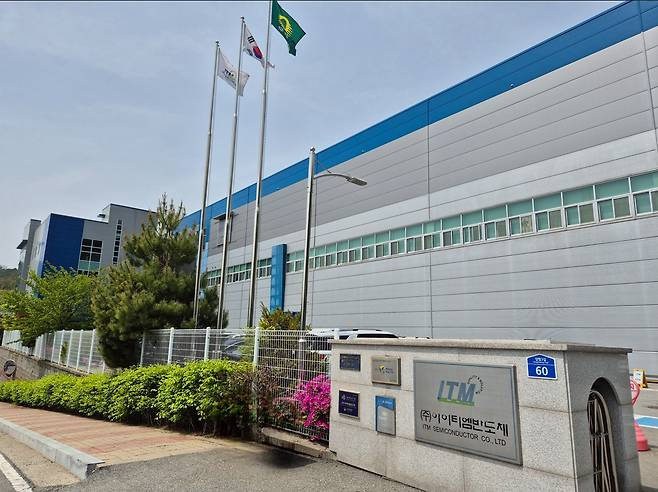
South Korean electronics component supplier ITM Semiconductor is reshaping its business portfolio after a decline in Apple-related protection circuit business, expanding its supply of vape devices and cartridges to KT&G. According to News1 on August 18, 2026, ITM’s vape-related revenue rose 24.8% year on year to 75.5 billion won in the first half of 2026. The company began mass production of vape devices at its Cikarang, Indonesia facility in January 2026, strengthening export manufacturing capacity. Meanwhile, Samsung-related protection circuit sales continued to grow, providing support during the transition.
Aug.20
Special Report | Russia, Ukraine and Belarus Launch Fresh Push to Rein in Vaping
Russia, Ukraine and Belarus are tightening vape regulation through different tools, from Ukraine’s stronger enforcement push and Belarus’s proposed advertising restrictions to Russia’s new GOST standard and regional sales-ban mechanism. As black-market concerns persist, some Russian experts argue that China’s tightly controlled but legalised model — built around licensing, traceability and taxation — may offer a more effective alternative to blanket prohibition.
Jul.15
FDA Proposes Foreign Tobacco Factory Registration Rule to Tighten Import Oversight
The FDA has proposed a rule requiring foreign tobacco manufacturers to register facilities and list products before exporting to the U.S. If finalized, the rule could affect overseas OEM/ODM factories, contract manufacturers, specification developers, bulk product makers, and repackaging or relabeling firms. FDA says the proposal would help identify unauthorized imported tobacco products, including e-cigarettes.
Special Report
Jun.26
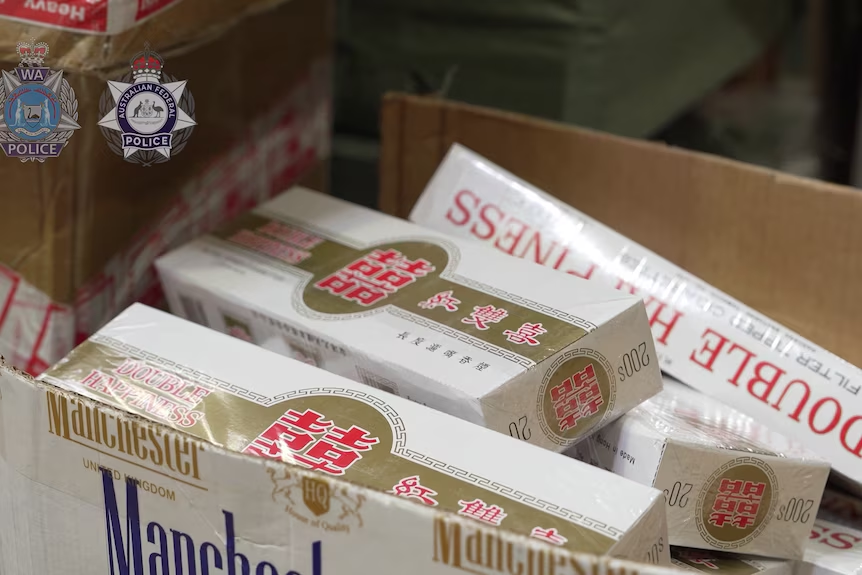
Australia’s One Nation Proposes 75% Tobacco Tax Cut, Says Lower Prices Could Hit Illicit Market
Australia’s One Nation party has proposed cutting tobacco excise by 75%, arguing that lower legal cigarette prices could narrow the gap with illicit tobacco and reduce demand for black-market products. The proposal comes as Australia continues expanding enforcement against illicit tobacco supply chains through border controls, retail inspections and organised-crime investigations. Supporters argue high taxes have contributed to illicit-market growth, while opponents warn that lower tobacco prices could undermine public-health goals. The proposal is a party policy position and has not been adopted by the Australian government.
Aug.18
FIFA Bans Vaping in 2026 World Cup Stadiums, Putting Nicotine Rules in Event Compliance Focus
FIFA’s 2026 World Cup stadium rules prohibit smoking, vaping and the use of any tobacco products or electronic smoking devices inside stadiums, including inner and outer perimeters, while electronic smoking devices, tobacco products, lighters and matches are listed as prohibited items, bringing nicotine-product management, venue compliance and cross-border legal differences into focus at a major global sporting event.
Jul.06
Japan’s Heated Tobacco Tax Changes Reshape Consumer Choices, Survey Reveals Impact of Price and Income
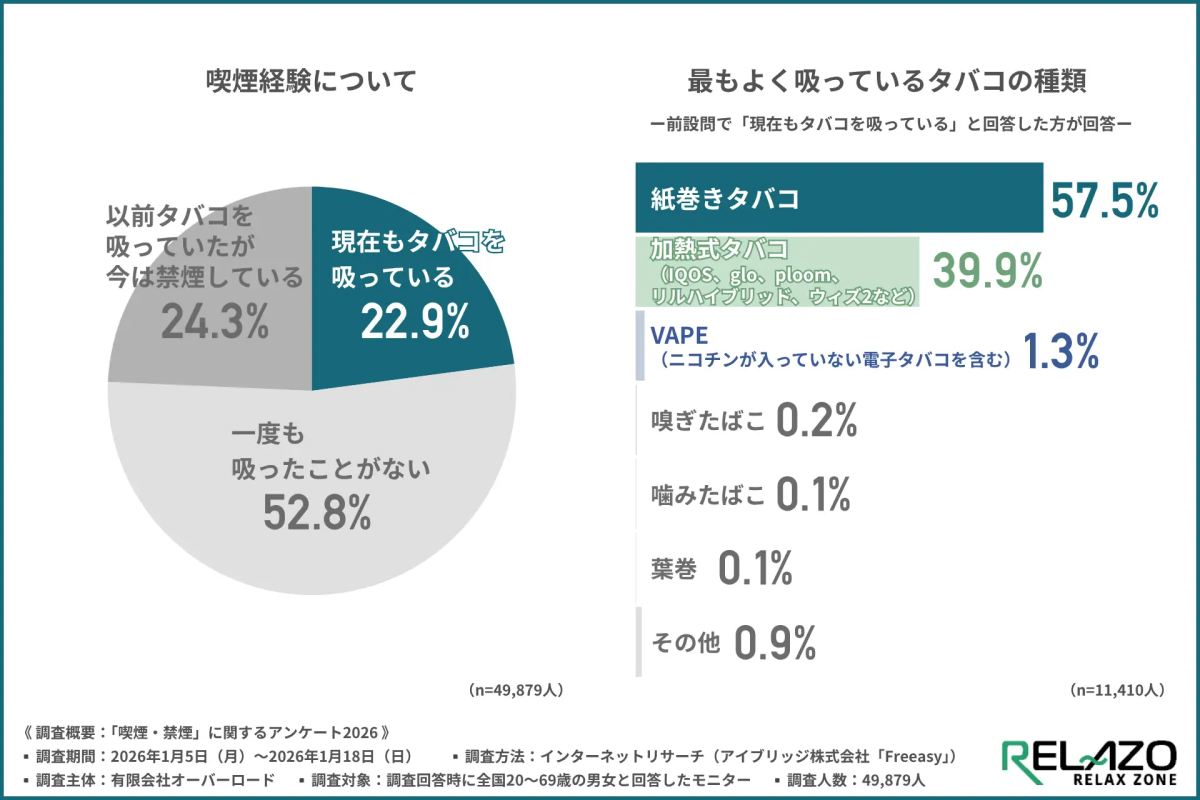
A consumer survey by Japanese heated tobacco information platform RELAZO found that rising tobacco prices and planned heated tobacco tax changes may influence smoking decisions among Japanese consumers. The survey covered 49,879 men and women aged 20 to 69 nationwide. It found that around 40% of respondents cumulatively indicated they may consider quitting when a pack reaches ¥600 (approximately US$4.1), while nearly 90% expressed potential quitting intentions at a ¥1,000 (approximately US$6.8) price level. The survey also found significant differences by income level, with lower-income respondents showing greater sensitivity to price increases.
Jul.24