The 22nd Century Group has reported a net income of $14.48 million for the three-month period ending June 30, 2022, which represents a growth of 73% compared to the same quarter in 2021. Gross profit for the quarter was $892,000, up from $449,000 in the second quarter of 2021.
Image: 22nd Century Group
The increase in net income was due to an increase in the contract manufacturing volume and approximately 50% increase in revenue in the second quarter for GVB Biopharma. The 22nd Century Group acquired GVB Biopharma on May 13.
Revenue from tobacco-related products was $10 million, representing a 19% increase compared to 2021. Revenue from cannabis/cannabis-related products was $4.5 million, reflecting a portion of GVB's quarterly revenue and an increase from zero in the previous year.
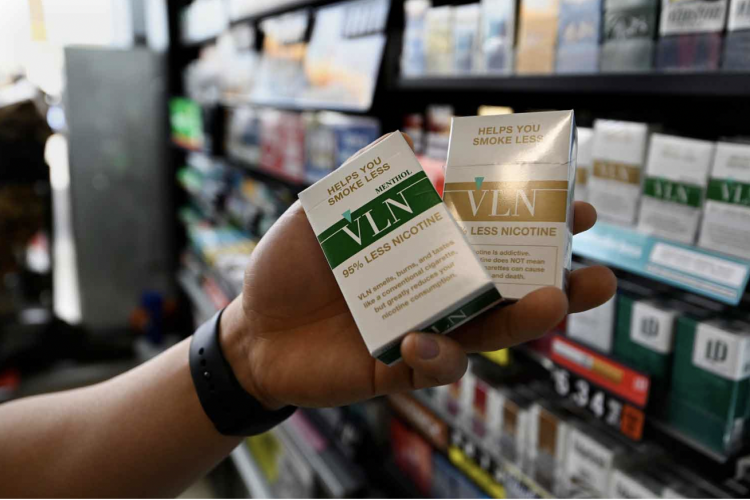
The 22nd Century Group has announced plans to accelerate the launch of its reduced-nicotine VLN King and VLN Menthol King cigarettes. Following approval from the US Food and Drug Administration in December, the company will market its VLN brand as a modified risk tobacco product (MRTP). As part of a pilot program, 22nd Century has started selling the product in selected Chicagoland Circle K stores.
James A. Mish, CEO of 22nd Century Group, stated in a release that their VLN pilot program in Chicago exceeded expectations and has prompted the acceleration and expansion of their launch plans. The pilot program and consumer research have demonstrated that their approach of focusing on awareness, education, and testing is resonating with adult smokers. They are currently testing specific incentives aimed at increasing trial and repeat purchase among current smokers while reducing smoking/nicotine consumption, in addition to expanding their business in Chicago and Illinois.
We have expanded our VLN launch to Colorado ahead of schedule. Compared to traditional high-quality cigarettes, Colorado offers reduced tax rates for MRTP authorized products, providing us with a favorable cost structure for our VLN products in the state.
Furthermore, of greater importance, we are closely collaborating with a major consumer goods distributor and a long-term professional distributor that covers convenience stores, grocery stores, and pharmacies throughout the state. This allows us to have full access to over 3,000 potential selling points throughout the entire state.
Statement:
This article is compiled from third-party information and is intended for industry communication and learning purposes only.
This article does not represent the views of 2FIRSTS, and 2FIRSTS cannot confirm the authenticity or accuracy of the article's content. The translation of this article is only for industry communication and research purposes.
Due to limitations in the level of translation proficiency, the translated article may not fully reflect the original text. Please refer to the original text for accuracy.
2FIRSTS is in full agreement with the Chinese government regarding any statements or positions related to domestic issues, as well as those concerning Hong Kong, Macau, Taiwan, and foreign relations.
The compilation of information belongs to the original media and authors, and if there is any infringement, please contact to have it deleted.
Disclaimer
This article is provided solely for professional research, industry discussion, and informational purposes. Any references to brands, companies, products, technologies, or policies are made for factual reporting and analytical purposes only, and do not constitute endorsement, recommendation, promotion, or advertising by 2Firsts.
Nicotine-containing products, including but not limited to cigarettes, e-cigarettes, heated tobacco products, and nicotine pouches, carry significant health risks. Readers are responsible for complying with all applicable laws and regulations in their respective jurisdictions, including age restrictions and access limitations.
The information contained in this article should not be regarded as investment, legal, medical, regulatory, or commercial advice. While 2Firsts strives to ensure the accuracy and reliability of its content, it does not assume liability for any direct or indirect loss arising from errors, omissions, inaccuracies, or reliance on the information contained herein.
This article is not intended for individuals below the legal age for accessing tobacco or nicotine-related information in their jurisdiction.
Copyright Notice
This article is either original content produced by 2Firsts or content reproduced, translated, summarized, or adapted from third-party sources with attribution where applicable. The intellectual property rights of the original content remain with 2Firsts or the respective original rights holders.
No individual or organization may copy, reproduce, distribute, republish, modify, translate, or otherwise use this content without prior authorization. Any unauthorized use may result in legal action.
For copyright-related inquiries, corrections, or removal requests, please contact: info@2firsts.com.
AI-Assisted Translation and Editing Notice
Portions of this article may have been translated, edited, or reviewed with the assistance of artificial intelligence tools to improve efficiency and readability. Due to the limitations of AI-assisted translation and editing, discrepancies, omissions, or inaccuracies may exist when compared with the original source.
Where applicable, readers are advised to refer to the original source for the most complete and accurate information. If you identify any errors or believe that any content infringes upon your rights, please contact us at info@2firsts.com, and we will review and address the matter promptly.