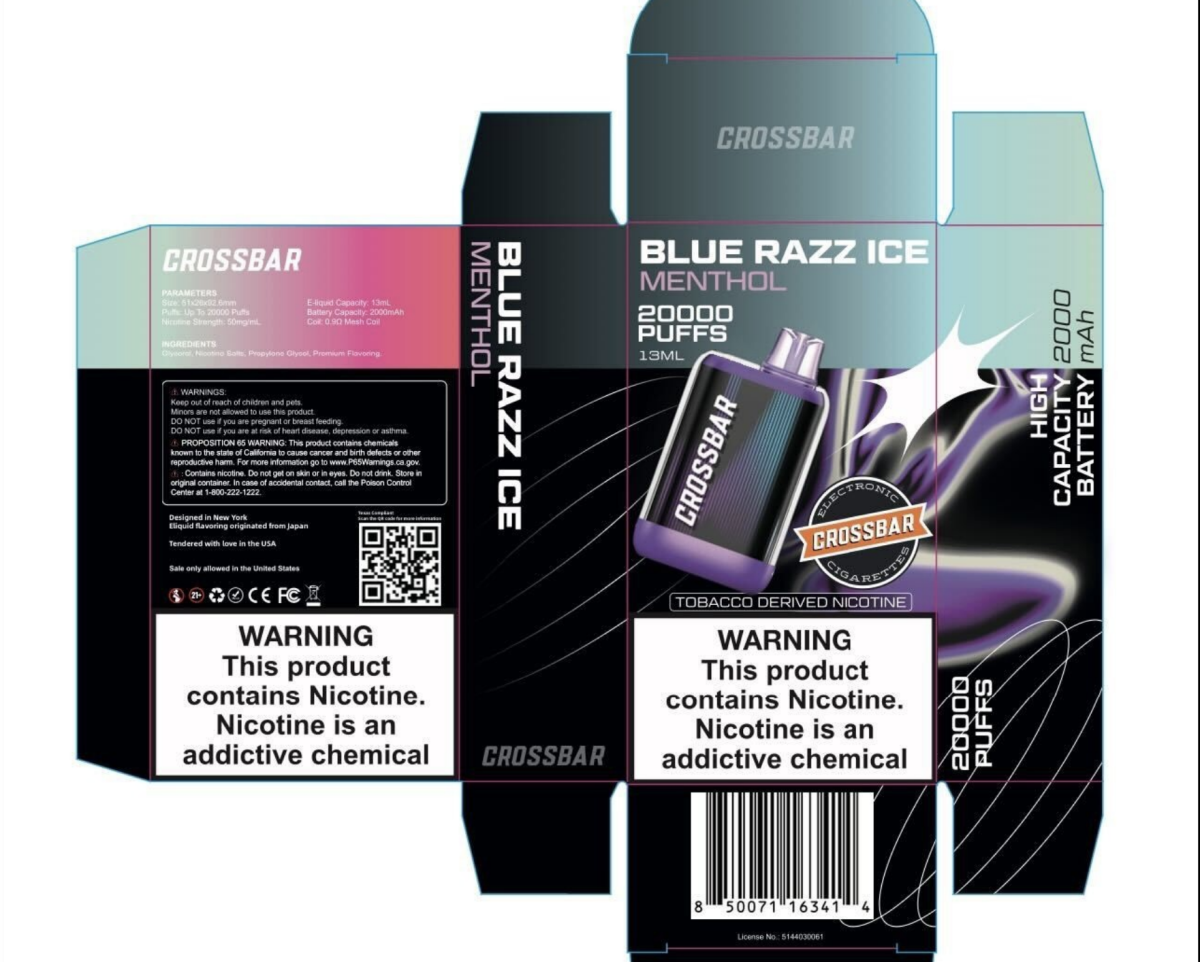
According to a report from the Washington Examiner on April 8th, the Alabama state legislature is considering a bill targeting underage smoking.
The bill received unanimous support in the state House, but is facing difficulties in the Senate. The American Lung Association (ALA) and American Heart Association (AHA) in the state have expressed skepticism that the bill will effectively deter underage smoking, claiming it is merely a victory for "big tobacco companies".
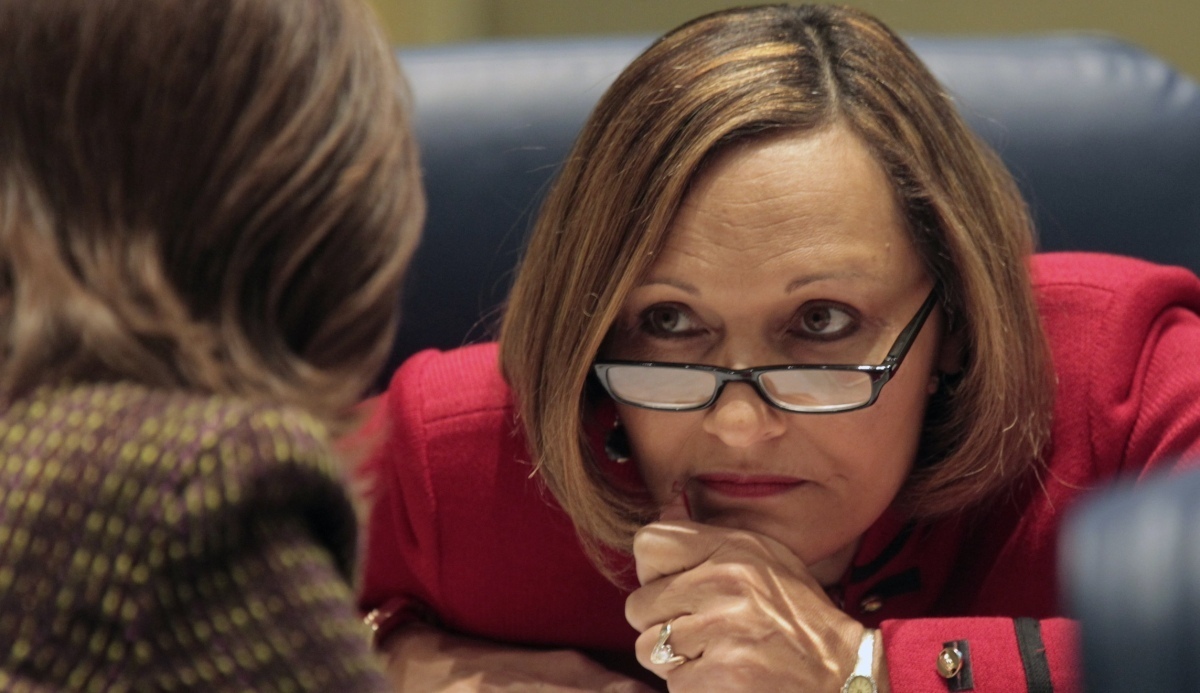
Democratic Senator Vivian Figures of Alabama expressed that she has no fear of organizations like the American Heart Association and the American Lung Association. Last year, Senator Figures introduced a similar bill that was not implemented. Now, with the support of Democratic Representative Barbara Drummond, who has introduced the HB 65 bill, which proposes increasing fines for underage smoking and creating annual licenses for e-cigarette distributors in Alabama.
They hope that this bill will be passed by the Senate so that it can be sent to Governor Kay Ivey before the legislative session ends in 9 days.
Jada Shaffer, Senior Government Relations Manager for the American Heart Association in the state, opposes the legislation because Alabama lawmakers should hold "big tobacco companies" accountable instead of punishing our young people.
Unfortunately, Alabama continues to cater to the interests of large tobacco companies, with legislation that benefits these companies but harms children. While pretending to address the issue of youth vaping, HB 65 allows large tobacco companies to monopolize the sale of e-cigarettes through unnecessary nicotine delivery system certification and listings, while punishing further harms the state's youth.
The bill will increase penalties for young people aged 18 to 21 who possess e-cigarettes. The first offense will result in a written warning, the second offense will result in 8 hours of community service, and the third offense will result in a $100 fine. If someone under the age of 18 is found in possession of an e-cigarette, their parents or legal guardian will be notified.
The state will also implement a licensing system for e-cigarette retailers, with an annual fee of $150. However, the American Lung Association (ALA) states that the bill actually repeals the state law that restricts these shops from being close to K-12 schools.
We welcome news tips, article submissions, interview requests, or comments on this piece.
Please contact us at info@2firsts.com, or reach out to Alan Zhao, CEO of 2Firsts, on LinkedIn
Notice
1. This article is intended solely for professional research purposes related to industry, technology, and policy. Any references to brands or products are made purely for objective description and do not constitute any form of endorsement, recommendation, or promotion by 2Firsts.
2. The use of nicotine-containing products — including, but not limited to, cigarettes, e-cigarettes, nicotine pouchand heated tobacco products — carries significant health risks. Users are responsible for complying with all applicable laws and regulations in their respective jurisdictions.
3. This article is not intended to serve as the basis for any investment decisions or financial advice. 2Firsts assumes no direct or indirect liability for any inaccuracies or errors in the content.
4. Access to this article is strictly prohibited for individuals below the legal age in their jurisdiction.
Copyright
This article is either an original work created by 2Firsts or a reproduction from third-party sources with proper attribution. All copyrights and usage rights belong to 2Firsts or the original content provider. Unauthorized reproduction, distribution, or any other form of unauthorized use by any individual or organization is strictly prohibited. Violators will be held legally accountable.
For copyright-related inquiries, please contact: info@2firsts.com
AI Assistance Disclaimer
This article may have been enhanced using AI tools to improve translation and editorial efficiency. However, due to technical limitations, inaccuracies may occur. Readers are encouraged to refer to the cited sources for the most accurate information.
We welcome any corrections or feedback. Please contact us at: info@2firsts.com