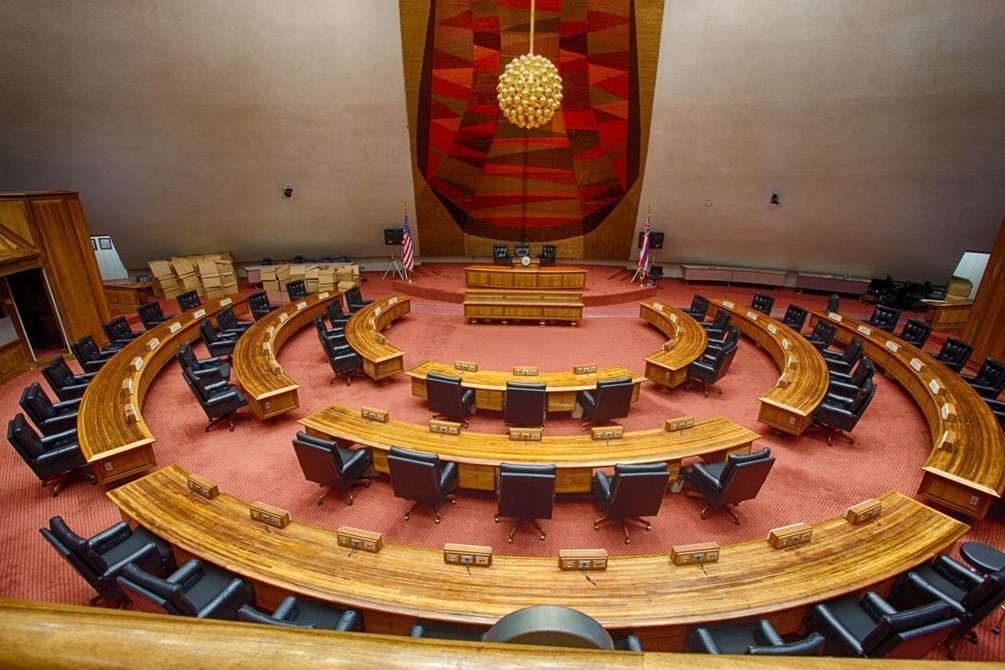
According to reports from KTUU media, the Alaska state legislature is taking action by passing a law to address concerns about children using e-cigarettes.
Alaska Governor Mike Dunleavy vetoed a bill in 2022 that would have raised the minimum age for purchasing tobacco products and e-cigarette devices, as well as imposed a sales tax on e-cigarette devices. Senator Gary Stevens introduced SB 89 to the House Labor and Commerce Committee in 2023, proposing to raise the minimum age for purchasing, selling, or possessing tobacco products and e-cigarette devices to 21, and impose a 25% sales tax on e-cigarette products.
The Alaskan Legislature is once again attempting to pass a law to address public concerns over the long-term health effects of children's early smoking, particularly with the use of e-cigarette devices.
In fact, the bill was passed by both the House and Senate in 2022, but was vetoed by Governor Mike Dunleavy. The bill was originally intended to raise the minimum age for purchasing tobacco products and impose sales taxes on e-cigarette devices.
In 2023, Senator Gary Stevens introduced the SB 89 bill to the House Committee on Labor and Commerce. He stated, "We have delayed addressing this issue for too long. It is time to confront this new industry and tackle the lifelong addiction faced by young Alaskans.
This proposal will align with federal law by raising the minimum age for purchasing, selling, or possessing tobacco products and e-cigarette products from 19 to 21 years old, while imposing a 25% sales tax on e-cigarette products. A previous bill that included a sales tax of up to 35% on e-cigarette products was rejected.
Deng Liwei explained his decision to veto the bill, stating, "There have been many discussions about how to tax, but ultimately I cannot support increasing the tax burden on the people of Alaska."
However, Stevens stated, "Taxes have been proven to reduce the tobacco use among teenagers, decrease the likelihood of children becoming lifelong smokers, thereby ultimately lowering healthcare costs."
Emily Nenon, the government relations manager from the American Cancer Society Cancer Action Network in Alaska, agrees with Stevens' viewpoint, stating, "E-cigarettes are increasingly being accessed by young people, and raising prices is the best way to deter children from starting to use these products."
Opposing the change, Senator Mike Shower asked, "You're old enough to carry a gun and old enough to die for your country, but not old enough to drink? To smoke a cigarette? To use an e-cigarette?"
If the bill passes the Labor and Commerce Committee, it will move on to the House Finance Committee for consideration. The bill was approved by the Senate in May 2023 with a vote of 14 to 6.
We welcome news tips, article submissions, interview requests, or comments on this piece.
Please contact us at info@2firsts.com, or reach out to Alan Zhao, CEO of 2Firsts, on LinkedIn
Notice
1. This article is intended solely for professional research purposes related to industry, technology, and policy. Any references to brands or products are made purely for objective description and do not constitute any form of endorsement, recommendation, or promotion by 2Firsts.
2. The use of nicotine-containing products — including, but not limited to, cigarettes, e-cigarettes, nicotine pouchand heated tobacco products — carries significant health risks. Users are responsible for complying with all applicable laws and regulations in their respective jurisdictions.
3. This article is not intended to serve as the basis for any investment decisions or financial advice. 2Firsts assumes no direct or indirect liability for any inaccuracies or errors in the content.
4. Access to this article is strictly prohibited for individuals below the legal age in their jurisdiction.
Copyright
This article is either an original work created by 2Firsts or a reproduction from third-party sources with proper attribution. All copyrights and usage rights belong to 2Firsts or the original content provider. Unauthorized reproduction, distribution, or any other form of unauthorized use by any individual or organization is strictly prohibited. Violators will be held legally accountable.
For copyright-related inquiries, please contact: info@2firsts.com
AI Assistance Disclaimer
This article may have been enhanced using AI tools to improve translation and editorial efficiency. However, due to technical limitations, inaccuracies may occur. Readers are encouraged to refer to the cited sources for the most accurate information.
We welcome any corrections or feedback. Please contact us at: info@2firsts.com