GOLDBAR, QUADRO and others launch refillable '2+10' products

Oct.28.2024
GOLDBAR, QUADRO and others launch refillable '2+10' products
At the recent Vaper Expo in Birmingham, UK, 2Firsts noticed that several brands, including GOLDBAR and QUADRO, launched refillable "2+10" products. 2Firsts has compiled a review of these products.

The Vaper Expo UK took place at the National Exhibition Centre in Birmingham from the 25th to the 27th of October (UK time).


2Firsts observed that several brands, including GOLDBAR and QUADRO, launched refillable "2+10" products at the event. 2Firsts has compiled an overview of these '2+10' refillable products to provide readers with a comprehensive analysis of current market trends.


Here are some details:


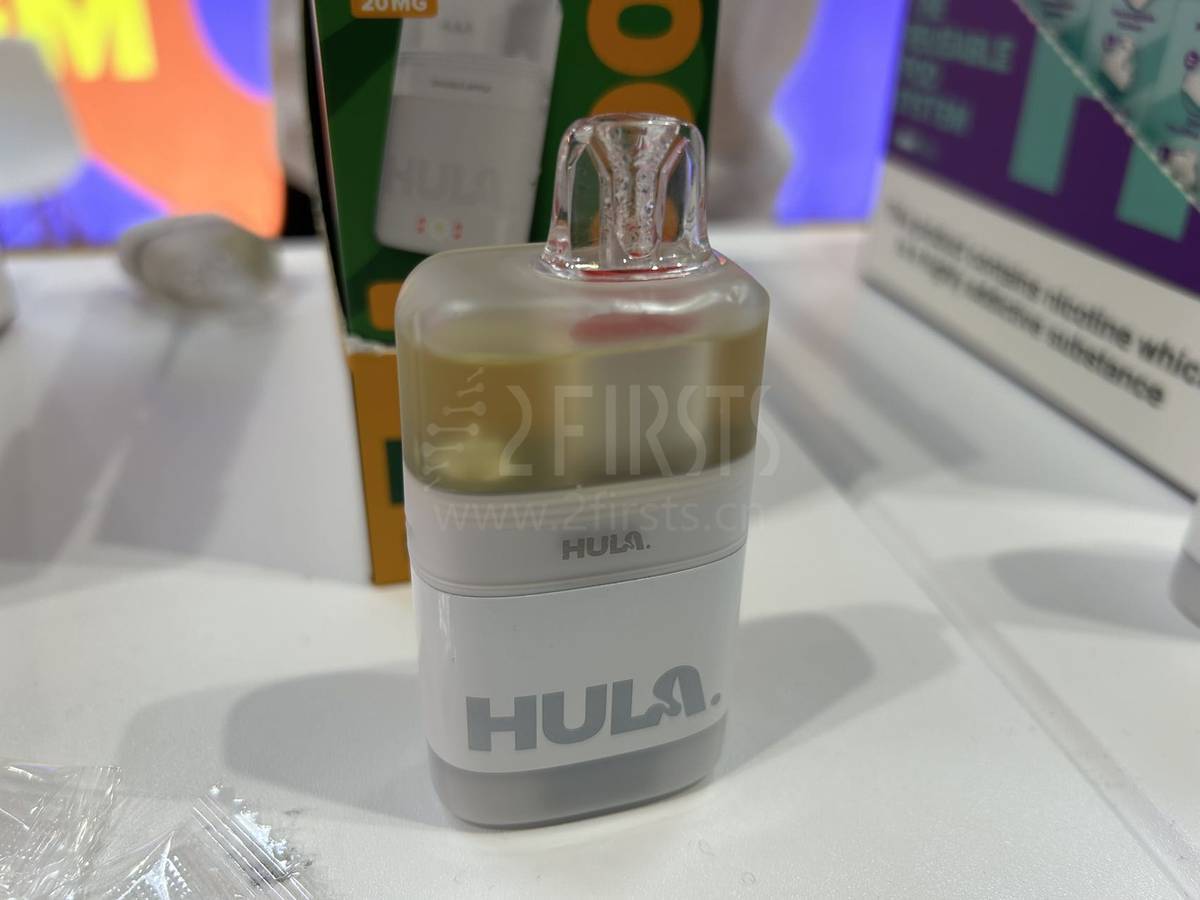
HULA
 

GOLDBAR, QUADRO and others launch refillable '2+10' products
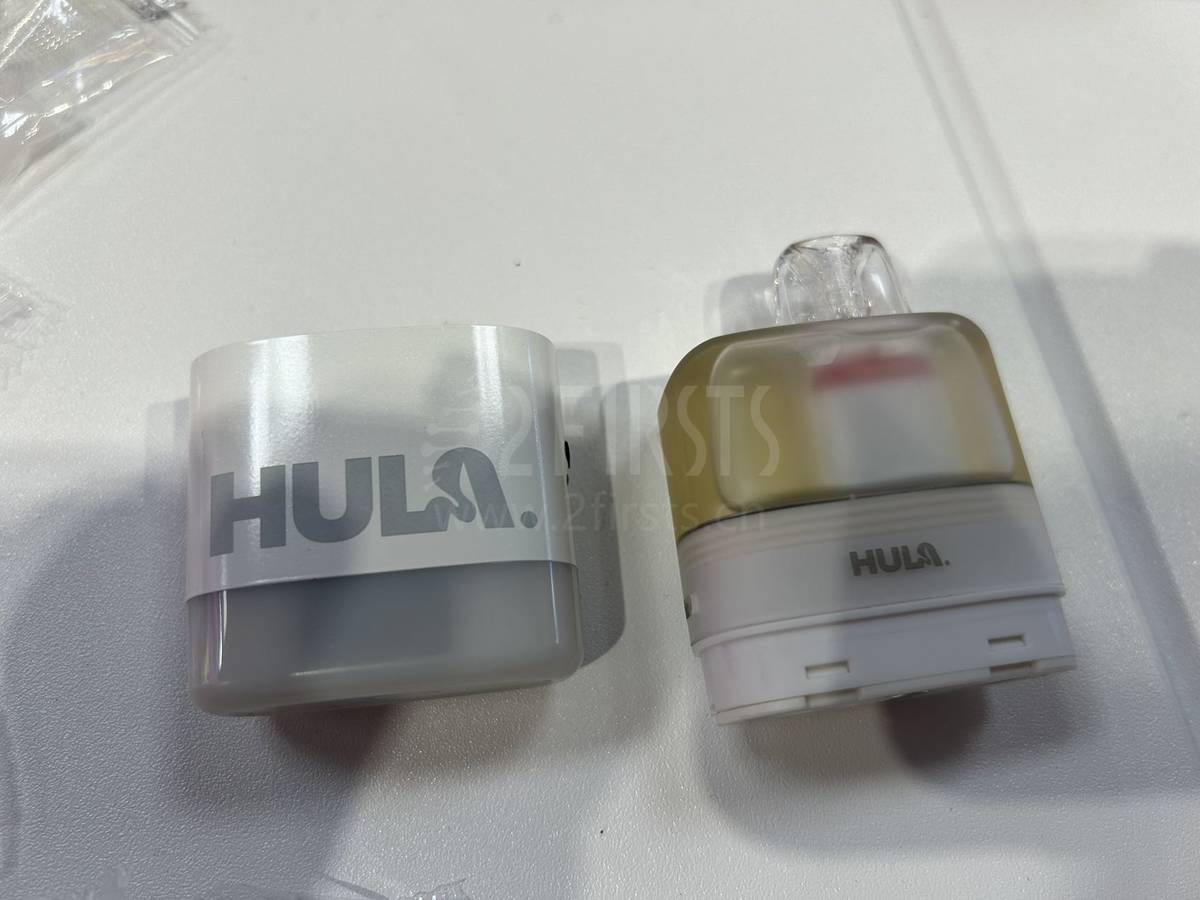
HULA refillable "2+10" product| Image Source: 2Firsts


GOLDBAR, QUADRO and others launch refillable '2+10' products
HULA refillable "2+10" product | Image source: 2Firsts


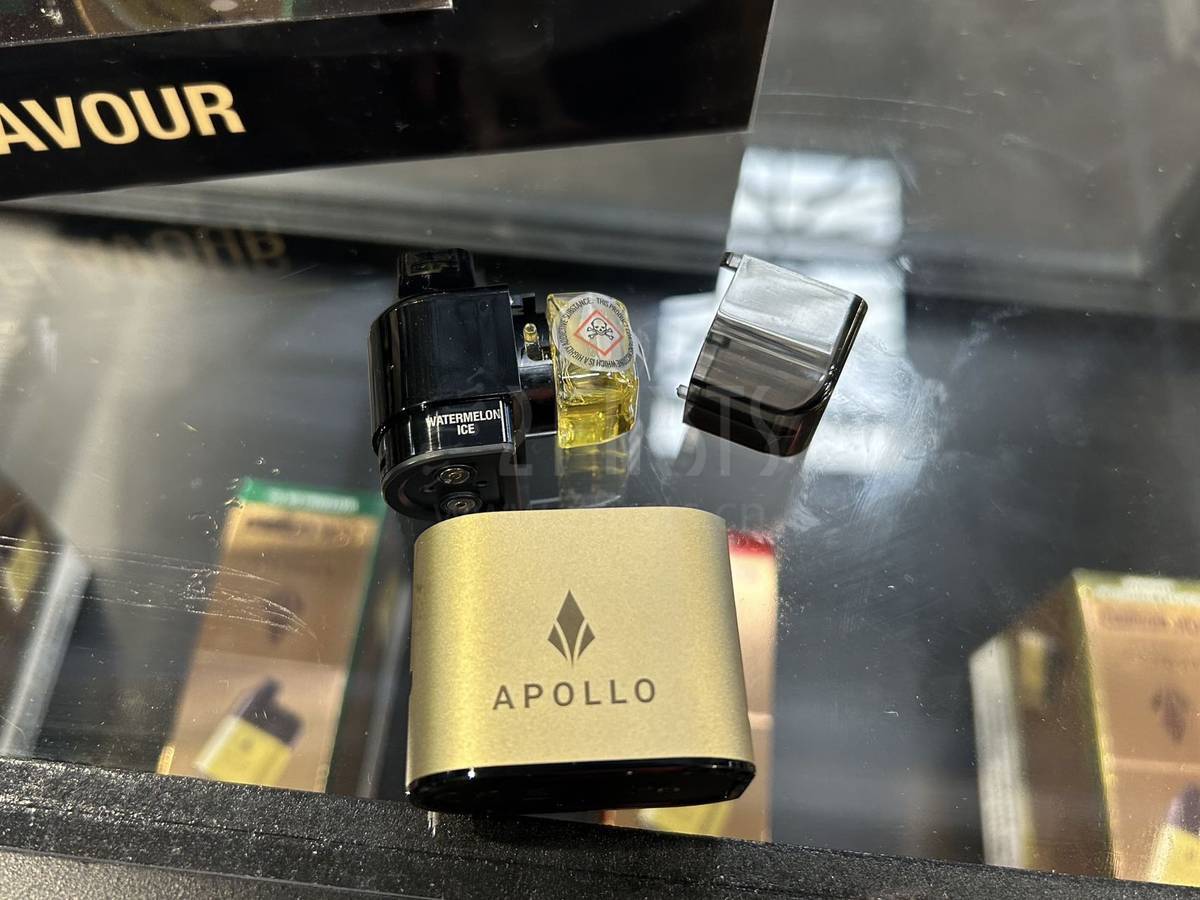
GOLDBAR


GOLDBAR, QUADRO and others launch refillable '2+10' products
GOLDBAR's refillable "2+10" product "APOLLO" | Image source: 2Firsts


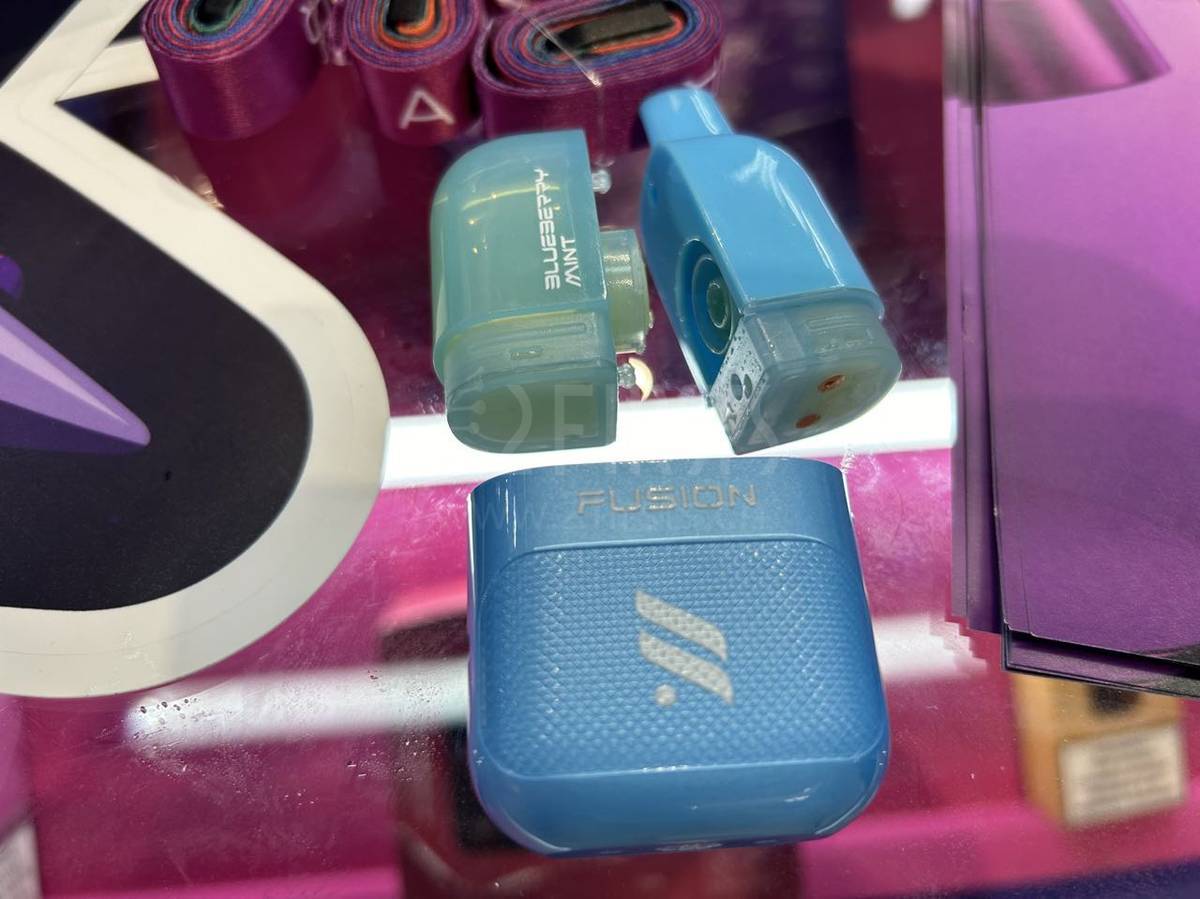
FUSION


GOLDBAR, QUADRO and others launch refillable '2+10' products
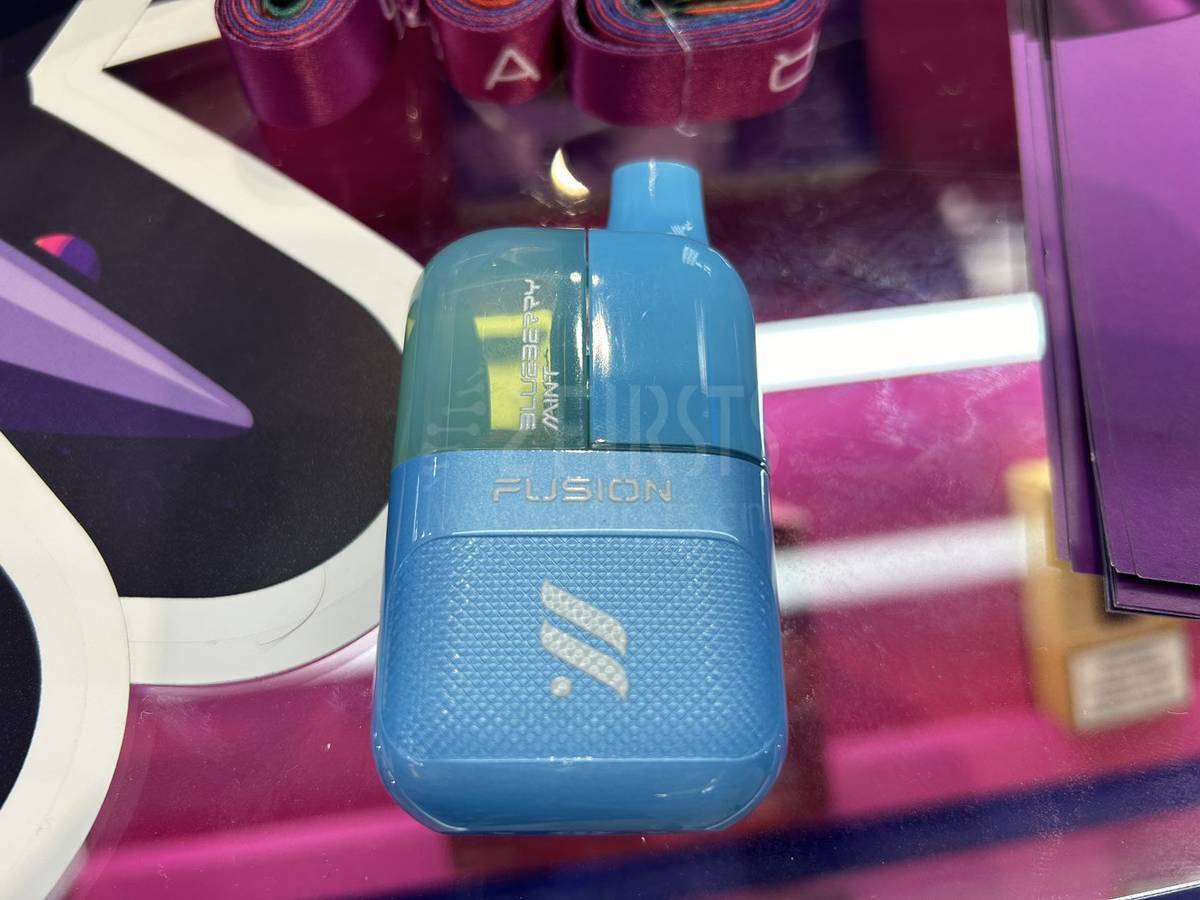
Fusion's refillable "2+10" product|Image source: 2Firsts


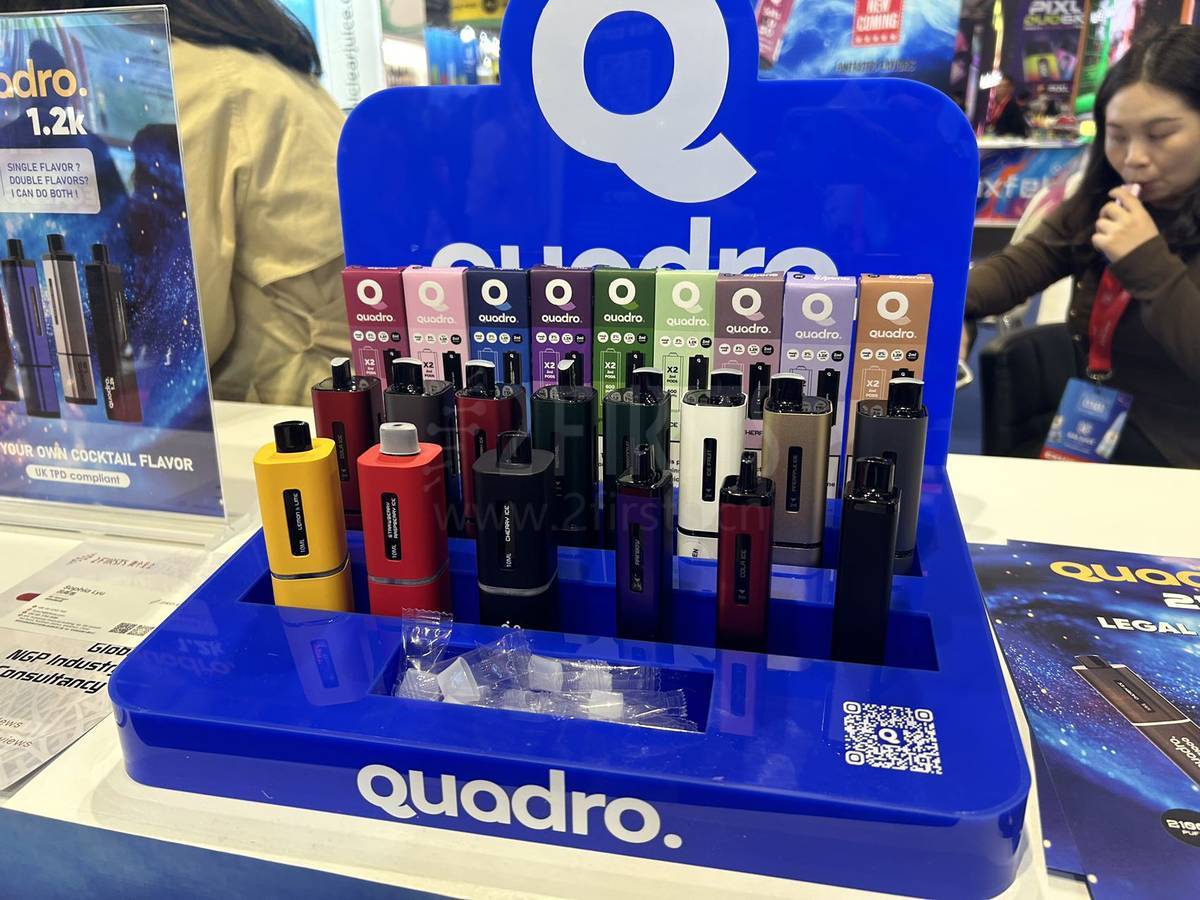
QUADRO


GOLDBAR, QUADRO and others launch refillable '2+10' products
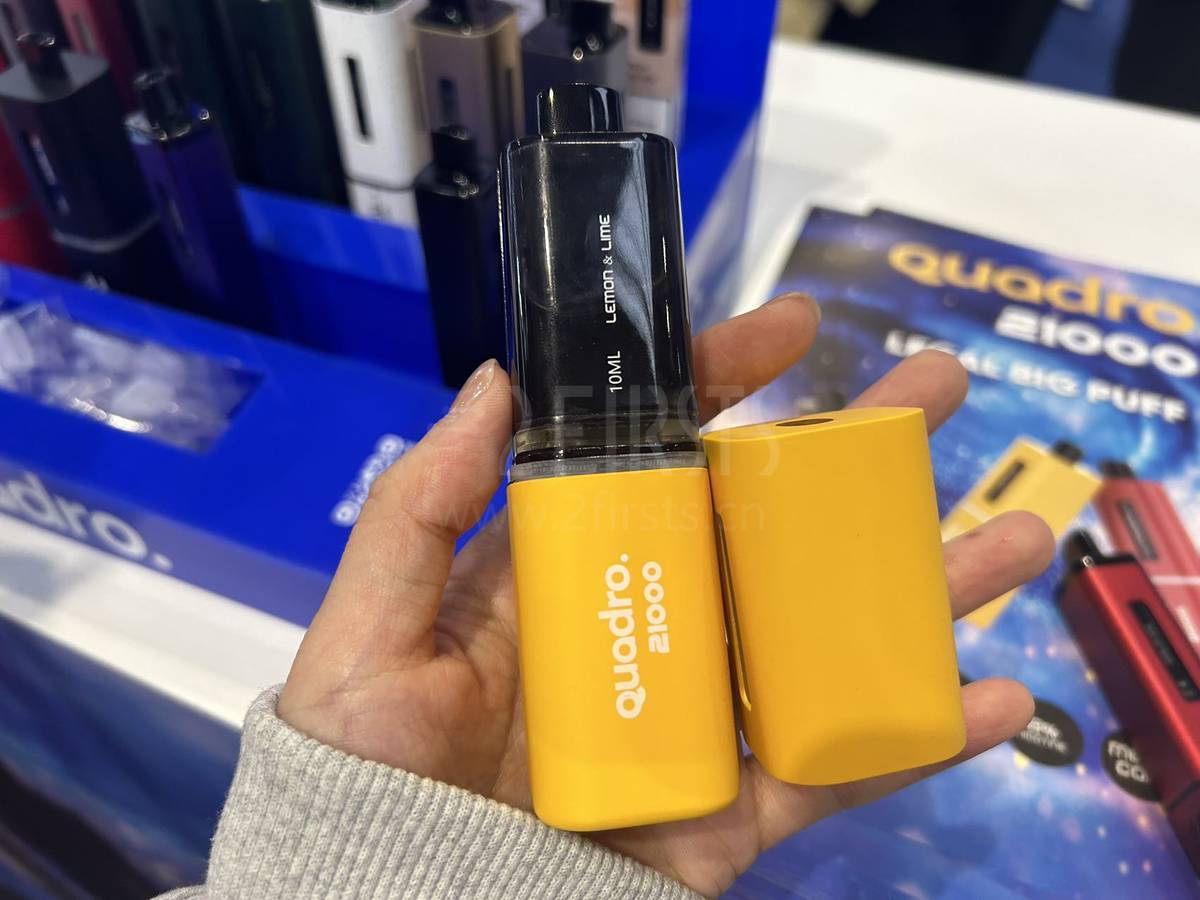
QUADRO refillable "2+10" product | Image source: 2Firsts


GOLDBAR, QUADRO and others launch refillable '2+10' products
QUADRO 21000 | Image source: 2Firsts


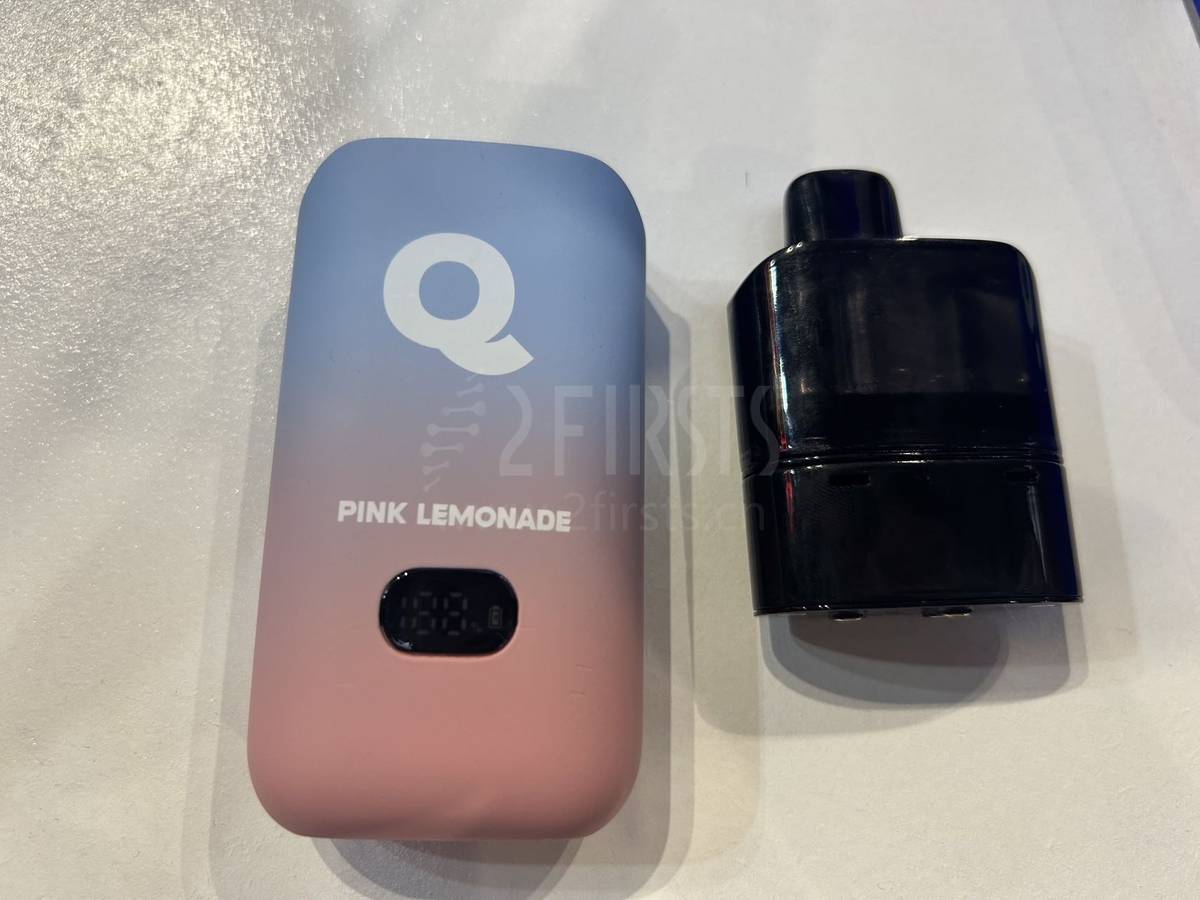
GOLDBAR, QUADRO and others launch refillable '2+10' products
QUADRO 3600 | Image source: 2Firsts

We welcome news tips, article submissions, interview requests, or comments on this piece.

Please contact us at info@2firsts.com, or reach out to Alan Zhao, CEO of 2Firsts, on LinkedIn


Notice

1.  This article is intended solely for professional research purposes related to industry, technology, and policy. Any references to brands or products are made purely for objective description and do not constitute any form of endorsement, recommendation, or promotion by 2Firsts.

2.  The use of nicotine-containing products — including, but not limited to, cigarettes, e-cigarettes, nicotine pouchand heated tobacco products — carries significant health risks. Users are responsible for complying with all applicable laws and regulations in their respective jurisdictions.

3.  This article is not intended to serve as the basis for any investment decisions or financial advice. 2Firsts assumes no direct or indirect liability for any inaccuracies or errors in the content.

4.  Access to this article is strictly prohibited for individuals below the legal age in their jurisdiction.


Copyright


This article is either an original work created by 2Firsts or a reproduction from third-party sources with proper attribution. All copyrights and usage rights belong to 2Firsts or the original content provider. Unauthorized reproduction, distribution, or any other form of unauthorized use by any individual or organization is strictly prohibited. Violators will be held legally accountable.

For copyright-related inquiries, please contact: info@2firsts.com


AI Assistance Disclaimer


This article may have been enhanced using AI tools to improve translation and editorial efficiency. However, due to technical limitations, inaccuracies may occur. Readers are encouraged to refer to the cited sources for the most accurate information.

We welcome any corrections or feedback. Please contact us at: info@2firsts.com

GSTHR Estimates 200 Million People Use Non-Combustible Nicotine Products as 28 Countries Show Rising Use Alongside Falling Smoking Rates
The Global State of Tobacco Harm Reduction, a project operated by Knowledge·Action·Change, estimates that about 200 million people worldwide use non-combustible nicotine products including vapes, heated tobacco, nicotine pouches and snus. Its 2026 report says use of these products rose alongside declining smoking rates in 28 countries it analyzed. The data do not establish that all 200 million users have quit smoking, nor do they prove a direct causal relationship. GSTHR also says regulatory restrictions on the products continue to expand in many markets.
Sep.10
JUUL2 Sued Within a Week of FDA Authorization as AJ Marketing Alleges Infringement of Programmable Vape Patent
Less than a week after JUUL2 received U.S. FDA marketing authorization on August 28, 2026, JUUL Labs was sued for patent infringement in federal court in Delaware. AJ Marketing LLC filed the complaint on September 3, alleging that both JUUL 1 and JUUL2 infringe U.S. Patent No. 8,851,068 B2. The patent covers aspects of programmable electronic vaporization devices, including controls over dose delivery, usage frequency and operating parameters. The plaintiff is seeking reasonable royalties and ongoing royalties tied to the remaining life of the patent. JUUL has not yet publicly responded to the case.
Sep.10
U.S. Ninth Circuit Upholds FDA Denial of MH Global’s Flavored Vape PMTA Applications
The U.S. Court of Appeals for the Ninth Circuit upheld the FDA’s denial of MH Global LLC’s applications to market flavored electronic nicotine delivery systems (ENDS). The court ruled that FDA’s comparative-efficacy framework, which requires applicants to show that flavored products provide greater cessation or switching benefits than tobacco-flavored alternatives, is consistent with the Tobacco Control Act’s “appropriate for the protection of the public health” standard. The court also found that FDA was not required to establish the framework through notice-and-comment rulemaking.
Aug.26
WIRED Investigation: Chinese-Made Vapes Turn to 6-Methyl-Nicotine and Other Analogs, Challenging U.S. Regulation
U.S. technology and investigative publication WIRED has examined how nicotine analogs are emerging as a new challenge for the country’s vape regulatory framework. The article argues that after the U.S. expanded federal oversight of nicotine products in 2022, some manufacturers began using nicotine-like compounds such as 6-methyl-nicotine that may fall outside existing definitions. Researchers cited by WIRED said some nicotine analogs could be more potent than traditional nicotine, although human health impacts remain unclear. U.S. policymakers are considering broader definitions of nicotine to bring these compounds under federal oversight.
Jul.27
Australian Coalition Unveils Illicit Tobacco Plan With 80% Excise Cut and Legal, Taxed Vapes and Nicotine Pouches
Australia’s Coalition has unveiled a national illicit-tobacco policy that would cut tobacco excise by 80% and create legal, regulated and taxed adult markets for vaping products and nicotine pouches if it wins government. The plan proposes an excise of A$0.50 per millilitre of e-liquid and A$0.025 per milligram of nicotine in pouches, alongside A$200 million in additional enforcement and a A$60 million three-year public-awareness campaign. The Coalition says the package would narrow the price advantage of illicit products and undermine organised crime, while Labor and public-health groups warn that dramatically cheaper cigarettes could reverse long-term declines in smoking.
Sep.03
China Tobacco Yunnan files patent for cellulose-free nicotine pouch scaffold to replace microcrystalline cellulose
China Tobacco Yunnan Industrial Co., Ltd. has filed a patent application for a cellulose-free scaffold material for nicotine pouches, proposing a combination of bioceramic material, polydextrose and sugar alcohols to replace conventional microcrystalline cellulose and cellulose derivatives. The filing aims to address issues including powdery mouthfeel, residue and limited release control, while also reducing reliance on existing cellulose-based patent portfolios. In patent examples, one fast-release formulation reached a nicotine release rate of 50% at 10 minutes and more than 90% at 20 minutes.
Sep.02