Anvisa's Public Meeting on E-Cigarettes in Brazil

2Firsts Events by 2FIRSTS.ai
Nov.29.2023
Anvisa's Public Meeting on E-Cigarettes in Brazil
Brazil's health surveillance agency, Anvisa, is set to hold a public meeting to discuss issues surrounding e-cigarettes, according to RecordTV Brazil.

According to RecordTV Brazil, the Brazilian National Health Surveillance Agency (Anvisa) is set to hold a public meeting to discuss the issue of e-cigarettes.


We welcome news tips, article submissions, interview requests, or comments on this piece.

Please contact us at info@2firsts.com, or reach out to Alan Zhao, CEO of 2Firsts, on LinkedIn


Notice

1.  This article is intended solely for professional research purposes related to industry, technology, and policy. Any references to brands or products are made purely for objective description and do not constitute any form of endorsement, recommendation, or promotion by 2Firsts.

2.  The use of nicotine-containing products — including, but not limited to, cigarettes, e-cigarettes, nicotine pouchand heated tobacco products — carries significant health risks. Users are responsible for complying with all applicable laws and regulations in their respective jurisdictions.

3.  This article is not intended to serve as the basis for any investment decisions or financial advice. 2Firsts assumes no direct or indirect liability for any inaccuracies or errors in the content.

4.  Access to this article is strictly prohibited for individuals below the legal age in their jurisdiction.


Copyright


This article is either an original work created by 2Firsts or a reproduction from third-party sources with proper attribution. All copyrights and usage rights belong to 2Firsts or the original content provider. Unauthorized reproduction, distribution, or any other form of unauthorized use by any individual or organization is strictly prohibited. Violators will be held legally accountable.

For copyright-related inquiries, please contact: info@2firsts.com


AI Assistance Disclaimer


This article may have been enhanced using AI tools to improve translation and editorial efficiency. However, due to technical limitations, inaccuracies may occur. Readers are encouraged to refer to the cited sources for the most accurate information.

We welcome any corrections or feedback. Please contact us at: info@2firsts.com

Malaysia Reviews Possible Refund of $92 Million in Vape Taxes After Court Rules 2023 Nicotine Exemption Unlawful
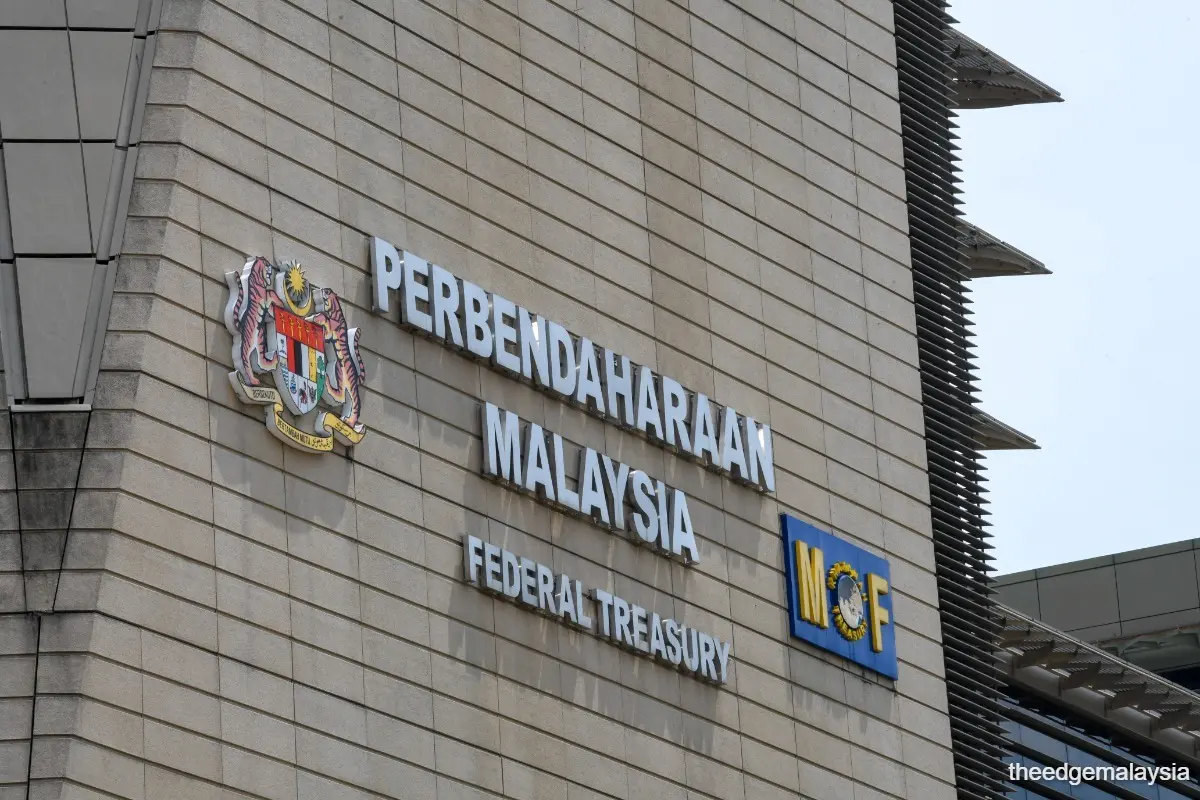
Malaysia's Ministry of Finance said in a written parliamentary reply on November 17, 2026, that it was examining whether a court ruling concerning the country's 2023 liquid-nicotine exemption affected the legal basis for vape excise duties already collected. Royal Malaysian Customs Department records show that the government has collected RM377.08 million (approximately $92 million) in vape-related excise duties since May 2023, with the proceeds transferred to the federal Consolidated Fund. In May, the Kuala Lumpur High Court ruled that the 2023 decision to exempt liquid and gel nicotine used in vaping products from the Poisons List was unlawful. The government withdrew its appeal in August but has not decided whether the taxes should be refunded. The Finance Ministry is also seeking the Health Ministry's position on future vaping regulation.
Regulations
Nov.19
Imperial Brands' NGP Revenue Rises 11.4% in FY2026 but Business Still Posts £63 Million Loss; Zone Reaches 114,000 US Stores as Smokeless Reporting Takes Shape
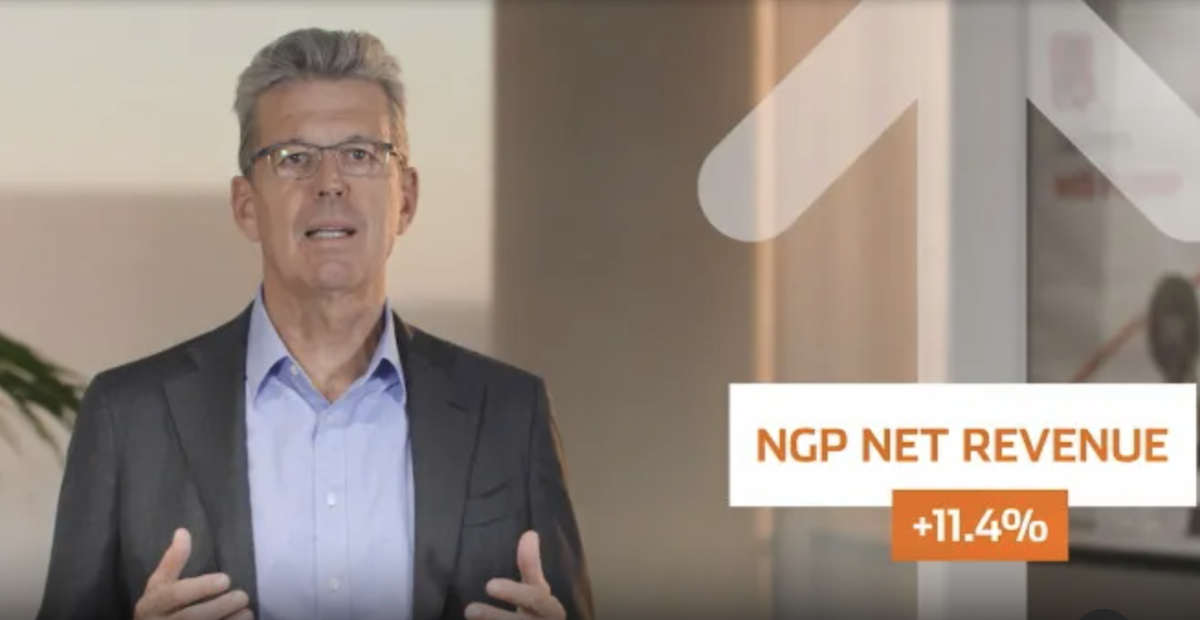
Imperial Brands reported an 11.4% increase in next-generation product (NGP) net revenue to £419 million in fiscal 2026, while its adjusted NGP operating loss narrowed to £63 million. European NGP revenue rose 16.8%, while the Americas recorded a 17.1% decline. Global modern oral nicotine volumes increased 27.8%, with US nicotine pouch brand Zone expanding to approximately 114,000 stores. The company also acquired Black Buffalo in the US and Helwit in Sweden, broadening its oral nicotine portfolio. From FY2027, Imperial Brands will adopt a new Smokeless reporting category combining NGP with traditional oral tobacco. On the new basis, FY2026 Smokeless net revenue was £554 million, with adjusted operating profit of £14 million.
company
Nov.18
Product | OXVA Introduces XLIM PRO 4 With Liquid-Level Anti-Burn Technology and Dedicated Pods
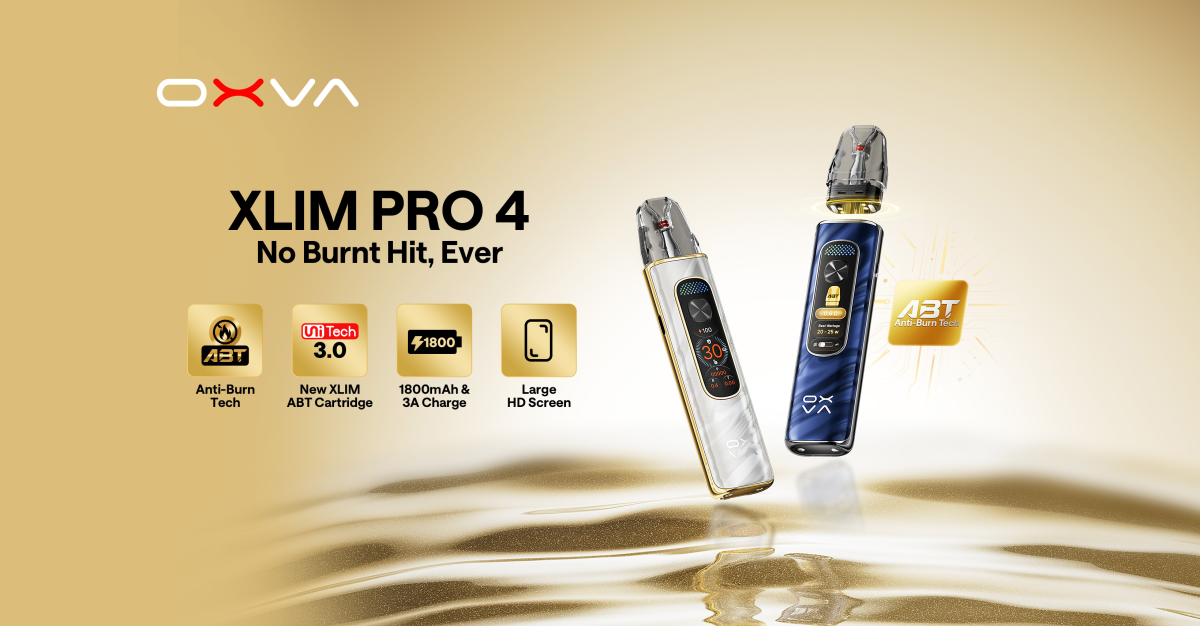
Vaping brand OXVA introduced the XLIM PRO 4 refillable pod system in October 2026, featuring Anti-Burn Tech (ABT) based on smart e-liquid-level detection. The system can issue refill alerts and stop power output when e-liquid levels become too low. ABT requires the XLIM PRO 4 device and a dedicated XLIM ABT cartridge. Standard XLIM pods remain compatible but do not support ABT protection. OXVA previously introduced temperature-based anti-burn technology in the XLIM Pro 2 DNA, developed with Evolv. The new device features a 1,800mAh battery, 5–30W output and a 0.98-inch HD color screen. OXVA's official store lists the device at $37.90 and dedicated ABT replacement cartridges at $12.99. Independent testing confirmed the low-liquid protection response but recorded varying cartridge lifespans.
product
Oct.30
NAS 2026 | Former FDA Tobacco Chief Mitch Zeller Calls for Shift From “End Game” to “End State”
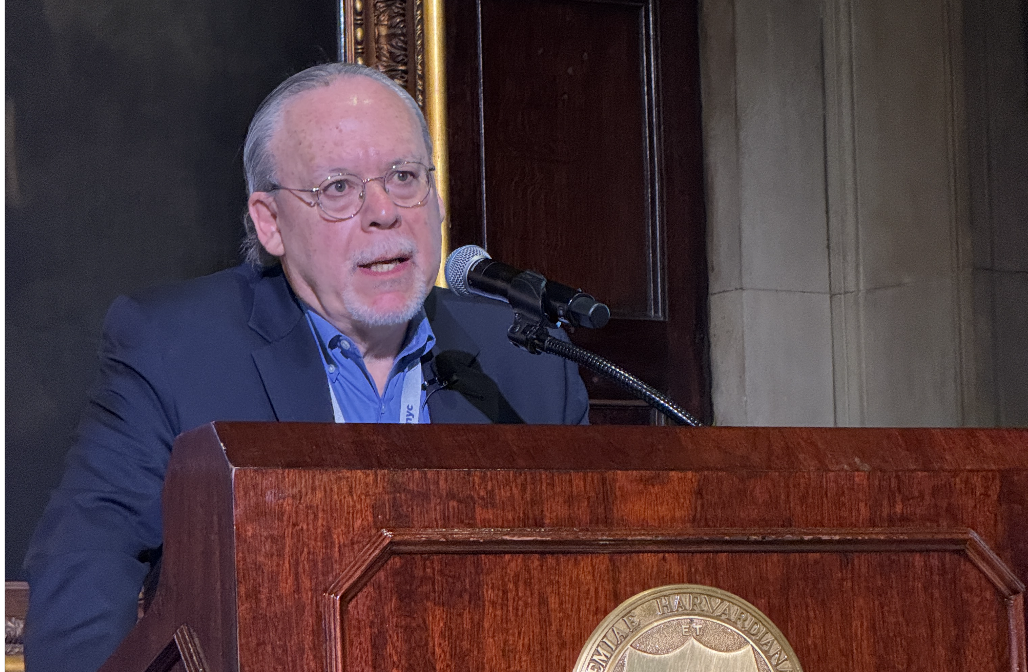
At the 2026 New Approaches Summit in New York, former FDA Center for Tobacco Products Director Mitch Zeller called for the tobacco harm reduction debate to shift from the traditional “end game” toward defining a desired “end state.” He also highlighted unresolved concerns around dual use, argued that biomarkers of exposure may be more meaningful than cigarettes-per-day in assessing risk reduction, and said nicotine misperceptions remain a major barrier to public health progress.
Sep.25
South Korea's Synthetic Nicotine Tax Take Estimated at Just 1.3% of Forecast as Imports Plunge Nearly 97%
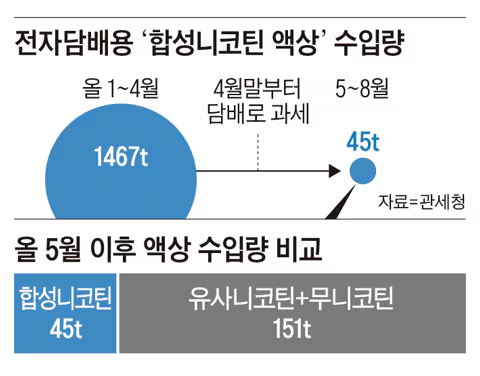
After synthetic nicotine was placed under tobacco regulation on April 24, 2026, South Korea’s tax collections from synthetic-nicotine vaping products fell far short of government projections. The Chosun Ilbo reported on November 18 that Ministry of Health and Welfare data showed national health promotion charges on synthetic-nicotine liquid e-cigarettes totaled 765 million won from April 24 through September. Using statutory rates, the newspaper estimated combined major taxes and charges at about 2.622 billion won—on a monthly basis roughly 1.3% of an earlier forecast after temporary tax reductions. Customs data showed synthetic-nicotine imports dropped from about 1,467 metric tons in January–April to 45 metric tons in May–August, a nearly 97% decline. Imports of nicotine-analog and nicotine-free liquids totaled 151 metric tons in May–August, exceeding synthetic-nicotine imports in the same period, though both categories were also below January–April volumes.
Regulations
Nov.19
Special Report | Altria's NACS Booth Raises Questions Over U.S. Tobacco Advertising Warnings
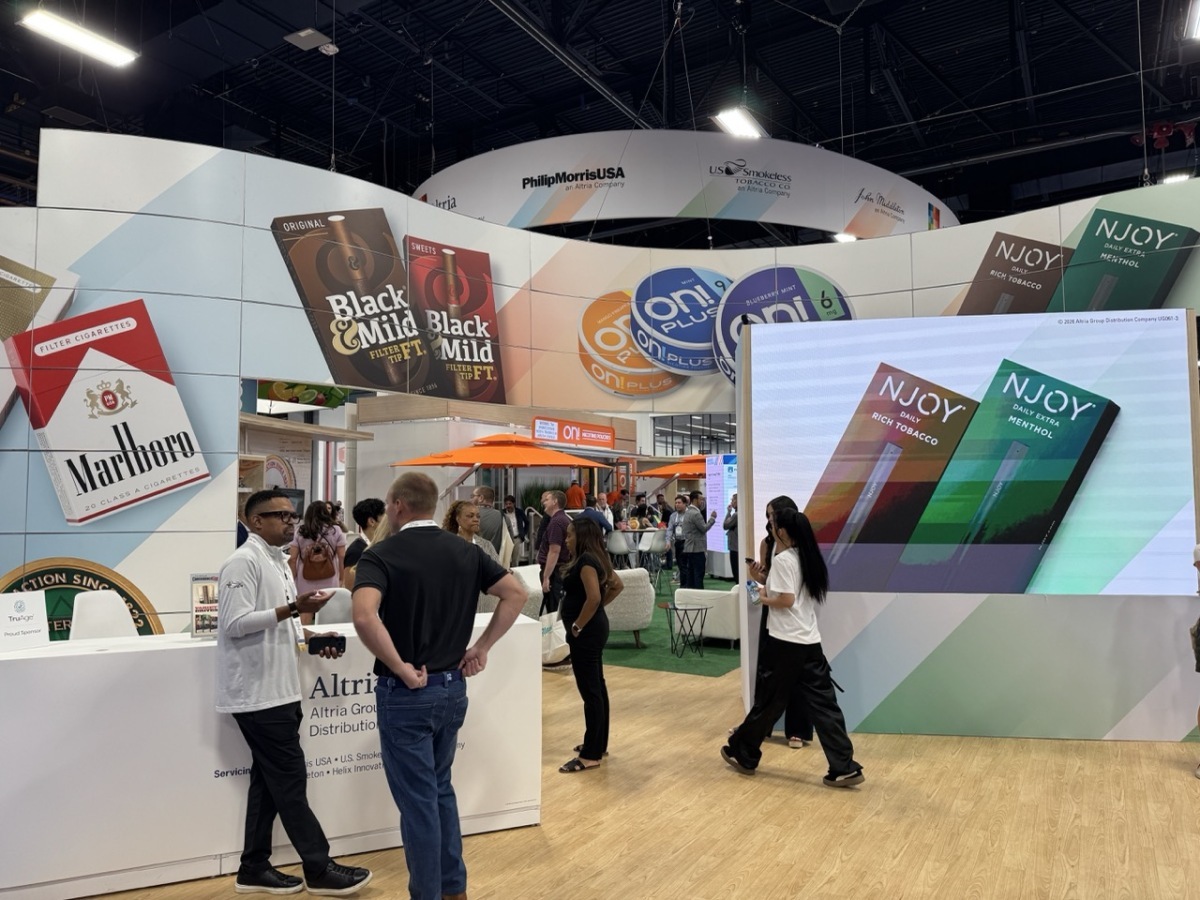
During its coverage of Altria's booth at NACS Show 2026, 2Firsts documented product displays that prompted questions about U.S. tobacco advertising warning requirements. Following public comments from a former FDA official, 2Firsts sought responses from Altria and independently consulted U.S. regulatory lawyer Azim Chowdhury. Altria maintained that its B2B communications complied with applicable laws, while Chowdhury explained that federal warning rules provide no general trade-show exemption for e-cigarettes and nicotine pouches. The special report examines the broader regulatory implications.
Nov.04