Australian border patrol officers have successfully seized a massive 13-ton shipment of disposable e-cigarettes, with an estimated value of AUD 4.5 million. This marks the first major confiscation of such products since the country banned the importation of disposable e-cigarettes on January 1st.
A total of 250,000 disposable e-cigarettes were found hidden in air cargo in Adelaide, marking the first major seizure of such products. Australian border patrol officials stated that 14 air shipments arrived from the same origin, claiming to contain "rechargeable vaporizers," which raised their suspicions.
Preliminary investigation reveals that these goods contain 10 tons of disposable e-cigarettes, and further inquiry has led to the confiscation of an additional three tons of products. The investigation into illegal imports is still ongoing.
Chris Waters, Deputy Commissioner of the Australian Border Force, has affirmed that the new regulatory framework for e-cigarettes has been fully implemented, sending a clear message to society.
He said, "We anticipate that many international e-cigarette suppliers will continue to attempt to ship products to Australia and may try to modify their behavior to avoid detection.
All e-cigarette suppliers in Australia should take note of this announcement. If you attempt to conceal the importation of e-cigarettes, we will expose and intercept them.
Australian Health Minister Mark Butler stated that this confiscation demonstrates that the new e-cigarette policy is taking effect.
He stated that millions of disposable e-cigarettes could flood into Australia before the government addresses the loopholes in existing laws, and these e-cigarettes are clearly marketed towards our children's market.
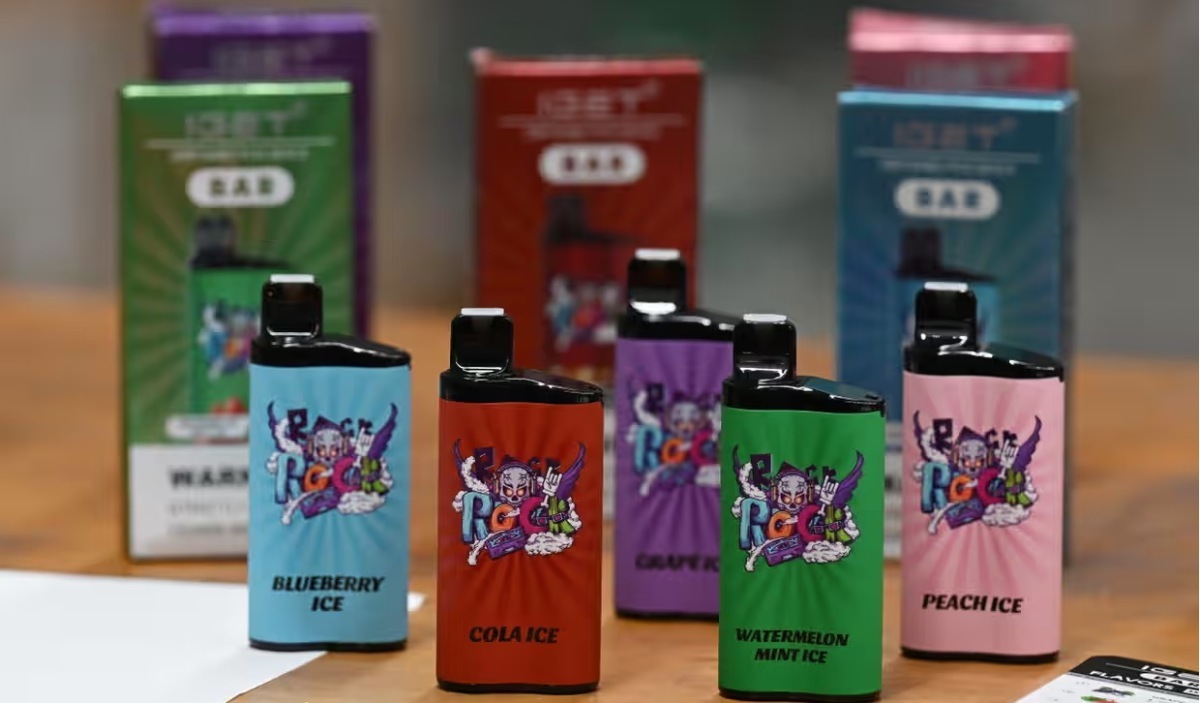
Disposable e-cigarettes come in vibrant colors and flavors reminiscent of bubble gum, designed to attract young children. Approximately one-sixth of middle school students and one-fourth of young adults aged 18 to 24 in Australia are using e-cigarettes.
The recent seizure further highlights the Australian government's commitment to combating the illegal importation of disposable e-cigarettes. Since the official ban on the importation of disposable e-cigarettes in Australia, this is the first large-scale operation in which such products have been intercepted. Prior to this, Australia has conducted several border enforcement operations and seized numerous well-known brands. For instance, in August last year, the Western Australia Department of Health confiscated 15 tons of e-cigarettes, totaling 300,000 units, with an estimated value of AUD 10 million from a warehouse in northeastern Perth. Video footage from the seizure site, obtained by the Australian Broadcasting Corporation, revealed the involvement of multiple e-cigarette brands including HQD and IGET.
We welcome news tips, article submissions, interview requests, or comments on this piece.
Please contact us at info@2firsts.com, or reach out to Alan Zhao, CEO of 2Firsts, on LinkedIn
Notice
1. This article is intended solely for professional research purposes related to industry, technology, and policy. Any references to brands or products are made purely for objective description and do not constitute any form of endorsement, recommendation, or promotion by 2Firsts.
2. The use of nicotine-containing products — including, but not limited to, cigarettes, e-cigarettes, nicotine pouchand heated tobacco products — carries significant health risks. Users are responsible for complying with all applicable laws and regulations in their respective jurisdictions.
3. This article is not intended to serve as the basis for any investment decisions or financial advice. 2Firsts assumes no direct or indirect liability for any inaccuracies or errors in the content.
4. Access to this article is strictly prohibited for individuals below the legal age in their jurisdiction.
Copyright
This article is either an original work created by 2Firsts or a reproduction from third-party sources with proper attribution. All copyrights and usage rights belong to 2Firsts or the original content provider. Unauthorized reproduction, distribution, or any other form of unauthorized use by any individual or organization is strictly prohibited. Violators will be held legally accountable.
For copyright-related inquiries, please contact: info@2firsts.com
AI Assistance Disclaimer
This article may have been enhanced using AI tools to improve translation and editorial efficiency. However, due to technical limitations, inaccuracies may occur. Readers are encouraged to refer to the cited sources for the most accurate information.
We welcome any corrections or feedback. Please contact us at: info@2firsts.com