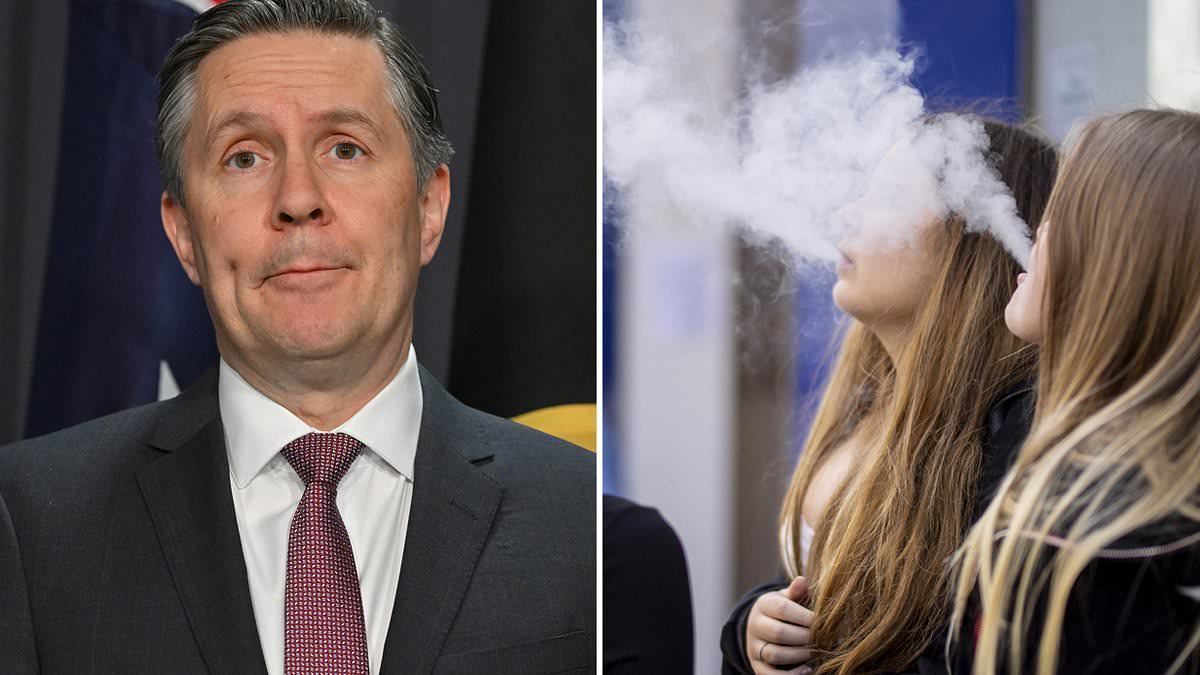
According to a report from the Daily Mail, Australian Health Minister Mark Butler has issued a warning to retailers who sell illegal e-cigarettes on the market that they will have to find alternative means of making a profit. He has also dismissed the idea of regulating e-cigarettes in a similar manner to tobacco and alcohol.
This warning was issued after the Australian Daily Mail demonstrated the ease of purchasing such prohibited devices, despite Butler implementing an import ban on disposable e-cigarettes on January 1st this year.
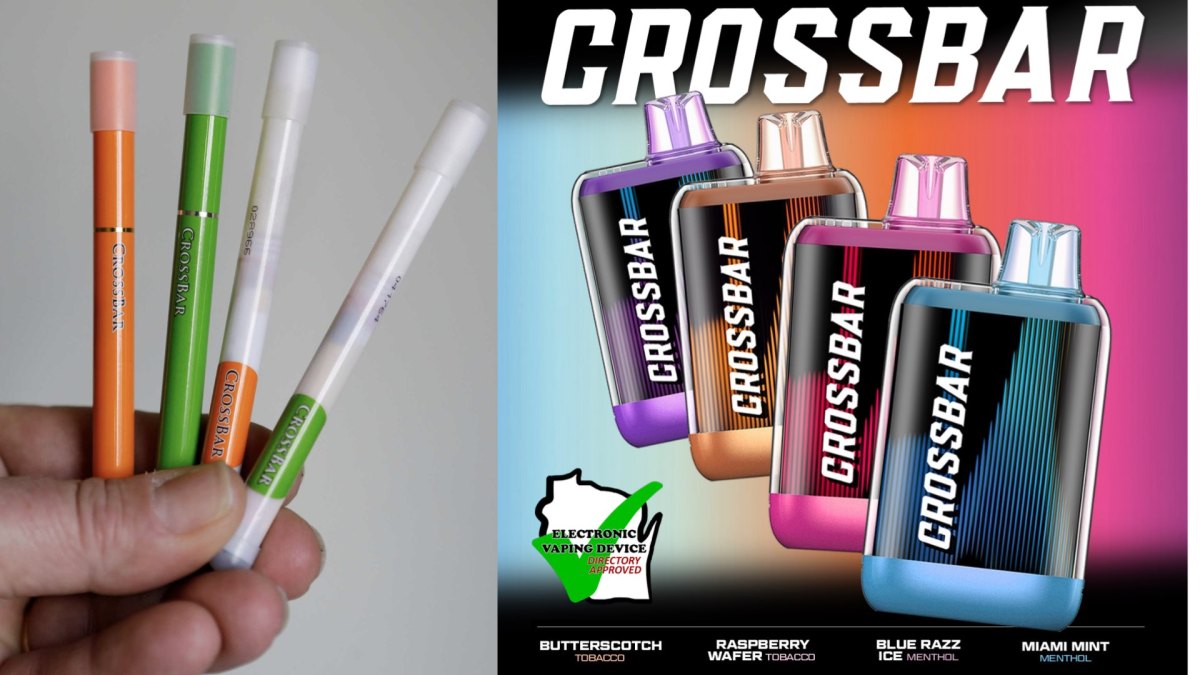
As you walk along Sydney's bustling Golden Street in the city center, you will find at least 20 independent and chain stores selling illegal nicotine e-cigarettes, illicit cigarettes, and other related devices. Purchasing an e-cigarette is as effortless as buying a can of soda or a newspaper, often without the need for identification verification. The average price for one e-cigarette is approximately 25 Australian dollars.
Minister Butler informed the Daily Mail Australia that the government will not turn a blind eye to this situation's unfolding. He has instructed businesses in this trade sector to explore alternative avenues for profitability.
E-cigarette stores intentionally setting up near schools is an apparent targeting of children by the industry.
In 2021, in accordance with regulations introduced by the previous Morrison government, the sale of e-cigarettes containing nicotine has been deemed illegal. However, many retailers continue to openly sell these products in illegal ways, with some even incorrectly labeling them as nicotine-free. To address the loopholes in the previous legislation and crack down on the supply of e-cigarettes in convenience stores, Minister Butler implemented a nationwide ban on the importation of disposable e-cigarettes on January 1st. Retailers can still sell existing stock imported prior to January 1st, as long as it is nicotine-free.
Changes in the draft design include the establishment of a new access method that allows doctors and nurses to prescribe therapeutic e-cigarettes for smokers or individuals in need of nicotine dependency control.
However, former federal police officer Rohan Pike has stated that enforcing the import ban on disposable e-cigarettes will prove challenging for the Australian Border Force (ABF), and the black market will continue to thrive.
Criminal gangs are importing e-cigarettes from China and selling them to retailers, thus boosting their profit margins.
Over 90% of e-cigarettes sold in Australia are black-market products.
Brian Marlow, the director of the Australian legal e-cigarette lobbying group, has stated that the import ban simply allows retailers to charge consumers higher prices due to the risks associated with importing and selling these products. He suggests that market restrictions, the establishment of product standards, granting licenses to retailers, and imposing heavy penalties for selling to minors will help eliminate the black market.
Australia should follow the examples of New Zealand, the UK, and other countries worldwide in implementing regulations for e-cigarettes," he said. "We should allow the sale of high-quality e-cigarettes and regulate them in a similar manner as we do with adult-restricted products such as alcohol.
Achieving this would enable adults to access products that are safer than the disposable ones commonly found in China, without being burdened by exorbitant levels of nicotine.
In response to Marlo's suggestion, Minister Butler responded, "The only groups that would benefit from regulating and selling e-cigarettes are those who profit from children becoming addicted to nicotine - big tobacco companies and tobacco retailers.
We welcome news tips, article submissions, interview requests, or comments on this piece.
Please contact us at info@2firsts.com, or reach out to Alan Zhao, CEO of 2Firsts, on LinkedIn
Notice
1. This article is intended solely for professional research purposes related to industry, technology, and policy. Any references to brands or products are made purely for objective description and do not constitute any form of endorsement, recommendation, or promotion by 2Firsts.
2. The use of nicotine-containing products — including, but not limited to, cigarettes, e-cigarettes, nicotine pouchand heated tobacco products — carries significant health risks. Users are responsible for complying with all applicable laws and regulations in their respective jurisdictions.
3. This article is not intended to serve as the basis for any investment decisions or financial advice. 2Firsts assumes no direct or indirect liability for any inaccuracies or errors in the content.
4. Access to this article is strictly prohibited for individuals below the legal age in their jurisdiction.
Copyright
This article is either an original work created by 2Firsts or a reproduction from third-party sources with proper attribution. All copyrights and usage rights belong to 2Firsts or the original content provider. Unauthorized reproduction, distribution, or any other form of unauthorized use by any individual or organization is strictly prohibited. Violators will be held legally accountable.
For copyright-related inquiries, please contact: info@2firsts.com
AI Assistance Disclaimer
This article may have been enhanced using AI tools to improve translation and editorial efficiency. However, due to technical limitations, inaccuracies may occur. Readers are encouraged to refer to the cited sources for the most accurate information.
We welcome any corrections or feedback. Please contact us at: info@2firsts.com