BAT Rothmans Launches Vuse Go 800 Nationwide in Korea

BAT by 2FIRSTS.ai
May.13.2024
BAT Rothmans Launches Vuse Go 800 Nationwide in Korea
BAT Rothmans to expand sales of "Vuse Go 800" e-cigarette nationwide in South Korea, offering variety of flavors to consumers.

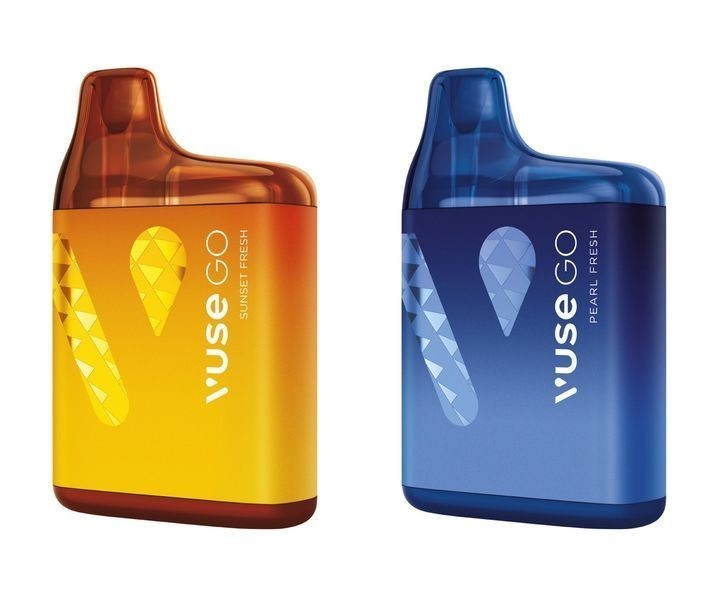
According to a report from South Korean media "NEWS 1" on May 13th, British American Tobacco Rothmans (BAT Rothmans) has decided to promote and sell its liquid e-cigarette "Vuse Go 800" nationwide. This move means that consumers can find this product in convenience stores and e-cigarette specialty stores in South Korea.


As early as January this year, the company began selling four different flavors of "Vuse Go 800" liquid e-cigarettes in the capital region, and added two new flavors four months later to increase adult consumers' exposure opportunities. Vuse Go 800 uses natural nicotine e-liquid, does not require changing e-liquid cartridges or refilling e-liquid, and can be used without preheating or charging.


A representative from British American Tobacco's subsidiary, Imperial Brands, stated, "As the number one brand in the American liquid e-cigarette market, Vuse continues to be warmly welcomed in the Korean market. Since entering the Korean market, we have established a diverse sales network throughout the country."


We welcome news tips, article submissions, interview requests, or comments on this piece.

Please contact us at info@2firsts.com, or reach out to Alan Zhao, CEO of 2Firsts, on LinkedIn


Notice

1.  This article is intended solely for professional research purposes related to industry, technology, and policy. Any references to brands or products are made purely for objective description and do not constitute any form of endorsement, recommendation, or promotion by 2Firsts.

2.  The use of nicotine-containing products — including, but not limited to, cigarettes, e-cigarettes, nicotine pouchand heated tobacco products — carries significant health risks. Users are responsible for complying with all applicable laws and regulations in their respective jurisdictions.

3.  This article is not intended to serve as the basis for any investment decisions or financial advice. 2Firsts assumes no direct or indirect liability for any inaccuracies or errors in the content.

4.  Access to this article is strictly prohibited for individuals below the legal age in their jurisdiction.


Copyright


This article is either an original work created by 2Firsts or a reproduction from third-party sources with proper attribution. All copyrights and usage rights belong to 2Firsts or the original content provider. Unauthorized reproduction, distribution, or any other form of unauthorized use by any individual or organization is strictly prohibited. Violators will be held legally accountable.

For copyright-related inquiries, please contact: info@2firsts.com


AI Assistance Disclaimer


This article may have been enhanced using AI tools to improve translation and editorial efficiency. However, due to technical limitations, inaccuracies may occur. Readers are encouraged to refer to the cited sources for the most accurate information.

We welcome any corrections or feedback. Please contact us at: info@2firsts.com

Japan’s Heated Tobacco Tax Changes Reshape Consumer Choices, Survey Reveals Impact of Price and Income
A consumer survey by Japanese heated tobacco information platform RELAZO found that rising tobacco prices and planned heated tobacco tax changes may influence smoking decisions among Japanese consumers. The survey covered 49,879 men and women aged 20 to 69 nationwide. It found that around 40% of respondents cumulatively indicated they may consider quitting when a pack reaches ¥600 (approximately US$4.1), while nearly 90% expressed potential quitting intentions at a ¥1,000 (approximately US$6.8) price level. The survey also found significant differences by income level, with lower-income respondents showing greater sensitivity to price increases.
Jul.24
Hawaii Restricts Vape Sales to FDA-Authorized Products, Disposable E-Cigarettes to Be Banned
Hawaii has enacted two new e-cigarette laws that significantly tighten market access requirements, requiring products to meet FDA authorization standards and banning disposable e-cigarette sales starting in 2027.
Jul.08
Philippine Customs Seizes $2.22 Million in Misdeclared Vape Products From China
The Philippine Bureau of Customs said it intercepted nine containers of misdeclared vape and vape-related products from China at the Manila International Container Port, with an estimated value of about ₱137 millionor, about $2.22 million.
Jul.10
Canadian Court Allows Juul and Altria Vape Class Action to Move Forward Over Youth Marketing Claims
A Quebec Superior Court has allowed a class action lawsuit against Juul Labs and Altria Group related to vaping products to proceed, involving allegations concerning marketing practices, youth exposure and corporate responsibility. The ruling only allows the case to move forward and does not represent a finding that Juul or Altria are legally liable. The case highlights continued legal risks facing vape companies regarding product marketing, youth protection and corporate accountability.
Jul.28
2Firsts Data | China’s U.S. Vape Exports Have Yet to Regain Previous Growth Momentum in H1 2026, but Hardware Grew 15.2% and 6-Methyl Nicotine-Related Products Rose 234.7%
China’s vape exports to the U.S. reached approximately $1.58 billion in the first half of 2026, remaining broadly stable from a year earlier but still below previous growth momentum. 2Firsts’ analysis of China Customs data shows that the U.S. market has not simply returned to its previous trajectory after the enforcement shock and inventory-driven swings of 2025. Instead, export momentum is shifting across product categories. Vaping devices and atomization hardware increased 15.2% year over year, while 6-methyl nicotine-related and other nicotine substitute products surged 234.7%. Meanwhile, traditional nicotine-containing vaping products continued to face pressure.
Jul.22
2Firsts Data | China’s Vape Exports Rise 3.1% in H1 2026 as 6-Methyl Nicotine-Related Products Surge 65.2%
China’s vape exports showed resilience in the first half of 2026 after a short-term shock from China’s export rebate adjustment. But customs data points to more than a simple recovery: the structure of growth is changing. Vaping devices and atomization hardware emerged as the strongest growth driver, while nicotine-containing vaping products remained broadly stable. Meanwhile, nicotine substitute-related products represented by 6-methyl nicotine expanded rapidly, becoming a new category to watch for both industry and regulators. After the U.S. market went through a cycle of shortages, replenishment and inventory rebuilding in 2025, China’s vape supply chain is entering a new phase of reallocation.
Special Report
Jul.20