Key Takeaways
- Brazil’s National Cancer Institute, the Oswaldo Cruz Foundation, and other institutions are preparing a joint document with recommendations and guidance for studies on electronic smoking devices.
- The document is to be signed by Inca Director General Roberto Gil, Fiocruz Vice President Patricia Canto, and representatives of universities and research institutions across the country.
- The guidelines were discussed on April 14 and 15 at a seminar in Rio de Janeiro.
- Researchers used a review covering 2019 to March 2025 that identified 59 studies in Brazilian scientific literature on the impacts of electronic smoking devices.
- The studies reviewed covered human health harms, epidemiological data on experimentation and use, as well as regulatory and public policy issues.
2Firsts, April 16, 2026
According to Agencia Brasil., Brazil’s National Cancer Institute, the Oswaldo Cruz Foundation, and other research institutions are working on a joint letter containing recommendations and guidance for studies on electronic smoking devices, including e-cigarettes, vapes, and similar products.
Several institutions are preparing to sign the joint document
The report said the document will be signed by Inca Director General Roberto Gil, Fiocruz Vice President for Environment, Care and Health Promotion Patricia Canto, and representatives of universities and research institutions from across the country.
The guidance was discussed at a seminar in Rio de Janeiro
The guidelines were discussed on Tuesday, April 14, and Wednesday, April 15, during the seminar “Building a Priority Research Agenda on Electronic Smoking Devices for Brazil,” held in Rio de Janeiro.
Researchers identified 59 relevant studies
Researchers began from a review carried out between 2019 and March 2025, which identified 59 studies on the impacts of electronic smoking devices in Brazil’s domestic scientific literature.
The studies reviewed covered health, epidemiology, and regulation
According to the report, the studies analyzed addressed subjects ranging from harm to human health to epidemiological data on experimentation and use, as well as regulatory and public policy aspects.
Inca said the seminar aimed to identify research gaps and priorities
The director general of Inca said the seminar represented a collective effort to identify gaps and research priorities concerning these devices.
Roberto Gil said the goal is to strengthen the scientific base that guides public policies and expand the country’s capacity to respond to this challenge, which he described as a threat to the health of the Brazilian population, especially younger generations.
Fiocruz researcher said faster and more coordinated scientific responses are needed
Ana Paula Natividade, researcher and acting coordinator of the Center for Tobacco and Health Studies at Fiocruz, said the meeting sought to organize existing knowledge and point to paths for new investigations that would strengthen public health.
She said the rapid advance of these products and of tobacco industry strategies requires scientific responses that are equally fast and coordinated.
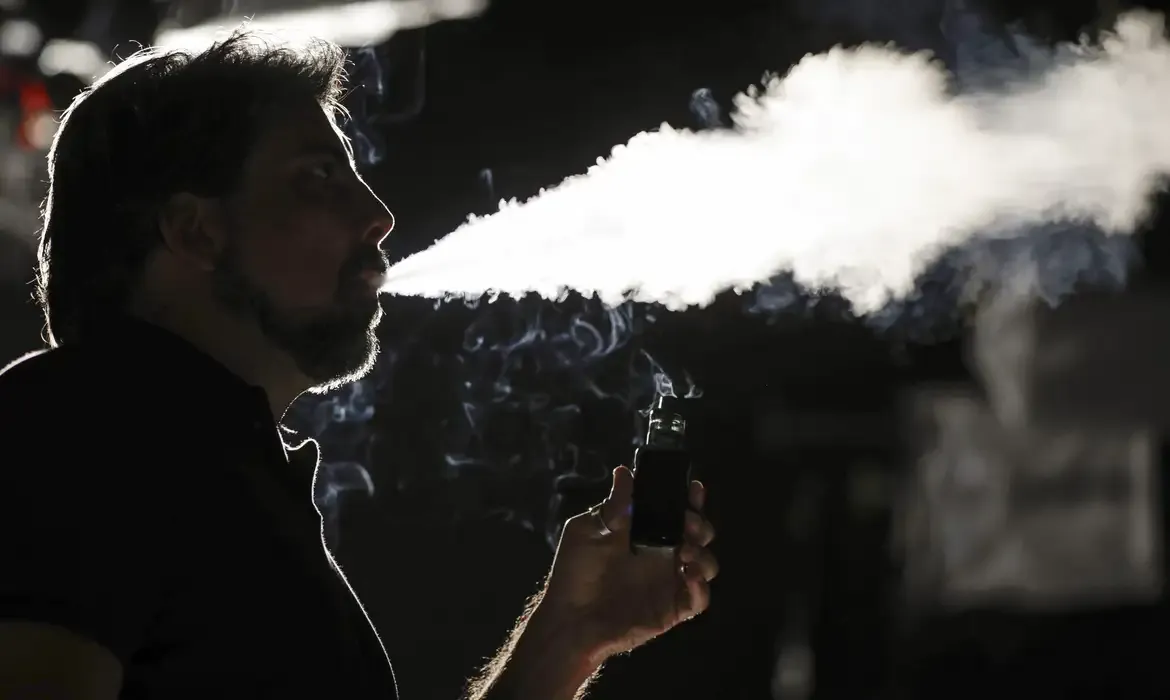
Image source: Agencia Brasil.
We welcome news tips, article submissions, interview requests, or comments on this piece.
Please contact us at info@2firsts.com, or reach out to Alan Zhao, CEO of 2Firsts, on LinkedIn
Notice
1. This article is intended solely for professional research purposes related to industry, technology, and policy. Any references to brands or products are made purely for objective description and do not constitute any form of endorsement, recommendation, or promotion by 2Firsts.
2. The use of nicotine-containing products — including, but not limited to, cigarettes, e-cigarettes, nicotine pouchand heated tobacco products — carries significant health risks. Users are responsible for complying with all applicable laws and regulations in their respective jurisdictions.
3. This article is not intended to serve as the basis for any investment decisions or financial advice. 2Firsts assumes no direct or indirect liability for any inaccuracies or errors in the content.
4. Access to this article is strictly prohibited for individuals below the legal age in their jurisdiction.
Copyright
This article is either an original work created by 2Firsts or a reproduction from third-party sources with proper attribution. All copyrights and usage rights belong to 2Firsts or the original content provider. Unauthorized reproduction, distribution, or any other form of unauthorized use by any individual or organization is strictly prohibited. Violators will be held legally accountable.
For copyright-related inquiries, please contact: info@2firsts.com
AI Assistance Disclaimer
This article may have been enhanced using AI tools to improve translation and editorial efficiency. However, due to technical limitations, inaccuracies may occur. Readers are encouraged to refer to the cited sources for the most accurate information.
We welcome any corrections or feedback. Please contact us at: info@2firsts.com