Recently, according to a report from news24, British American Tobacco (BAT) has released its half-year trading update and its stock price has remained stable. CEO Tadeu Marroco stated that the business revenue from electronic cigarettes and heated tobacco products has grown strongly, and once again confirmed that the company should be profitable by 2024.
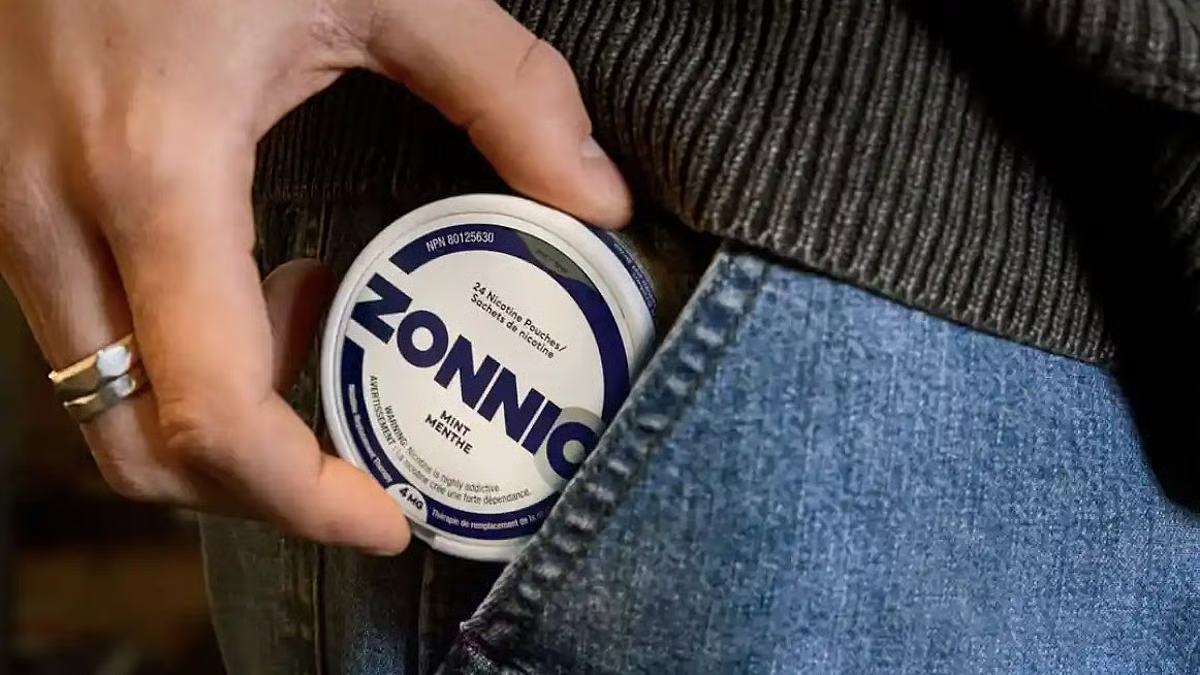
The product portfolio of British American Tobacco (BAT) is well-balanced, featuring not only traditional cigarette brands such as Dunhill, Peter Stuyvesant, Rothmans, and Pall Mall, but also electronic and heated tobacco products, including Vuse, glo, and Velo.
The company still maintains a cash conversion rate of over 90% for operations, with the group expecting a mid-single digit increase in diluted earnings per share (calculated using a fixed exchange rate) and revenue growth of 3% to 5% for the full year. However, BAT has issued a warning that the projected growth may be affected due to the anticipated transfer of its Russian and Belarusian operations this year.
The company stated that their overall market share for cigarette sales has increased by 10 basis points in the last six months, despite disappointing performance in the American market.
The newly appointed CEO of BAT, Tadeu Marroco, has stated that the revenue growth of their e-cigarette and heated tobacco products is "strong" and has once again confirmed that the company should be profitable by 2024.
Our strategic goal is to gradually transform our product portfolio by actively encouraging adult smokers to switch to products with lower risks compared to smoking; this transformation will bring long-term value to multiple stakeholders.
However, BAT has also warned that its tobacco heating device brand, Glo, has seen a decline of over one percentage point in market share in key countries. Despite gaining market share in some European countries, it has faced intense competition from other products in the markets of Japan and Italy. According to market analysis, the main competitor for glo from British American Tobacco is IQOS from Philip Morris International.
The e-cigarette brand, Vuse, has seen a nearly three percentage point increase in market share, now holding a 39% share in the crucial e-cigarette market, and growth in the U.S. market.
In face of California's ban on the sale of most flavored tobacco products and e-cigarettes that took effect in December 2022, BAT has stated that the long-term impact of the flavor prohibition remains difficult to predict.
According to reports, mint-flavored products are continuing to be sold illegally due to lax law enforcement. We have also observed an increase in sales of flavored products in neighboring states.
Analysts believe that this may indicate a possibility of relaxation in the "flavor ban".
Currently, the disposable flavored electronic cigarette product, Vuse Go, is sold in 40 markets and is expanding sales in emerging markets such as Colombia and Peru. The initial results are "encouraging.
It is noteworthy that in the past year, the stock prices of BAT have dropped by 10%, which has left investors disappointed with the company's decision to suspend its new stock buyback plans.
Reference(s):
British American Tobacco maintains its profit outlook despite challenging conditions in the US cigarette market, despite suffering losses in its global operations.
Disclaimer
This article is provided solely for professional research, industry discussion, and informational purposes. Any references to brands, companies, products, technologies, or policies are made for factual reporting and analytical purposes only, and do not constitute endorsement, recommendation, promotion, or advertising by 2Firsts.
Nicotine-containing products, including but not limited to cigarettes, e-cigarettes, heated tobacco products, and nicotine pouches, carry significant health risks. Readers are responsible for complying with all applicable laws and regulations in their respective jurisdictions, including age restrictions and access limitations.
The information contained in this article should not be regarded as investment, legal, medical, regulatory, or commercial advice. While 2Firsts strives to ensure the accuracy and reliability of its content, it does not assume liability for any direct or indirect loss arising from errors, omissions, inaccuracies, or reliance on the information contained herein.
This article is not intended for individuals below the legal age for accessing tobacco or nicotine-related information in their jurisdiction.
Copyright Notice
This article is either original content produced by 2Firsts or content reproduced, translated, summarized, or adapted from third-party sources with attribution where applicable. The intellectual property rights of the original content remain with 2Firsts or the respective original rights holders.
No individual or organization may copy, reproduce, distribute, republish, modify, translate, or otherwise use this content without prior authorization. Any unauthorized use may result in legal action.
For copyright-related inquiries, corrections, or removal requests, please contact: info@2firsts.com.
AI-Assisted Translation and Editing Notice
Portions of this article may have been translated, edited, or reviewed with the assistance of artificial intelligence tools to improve efficiency and readability. Due to the limitations of AI-assisted translation and editing, discrepancies, omissions, or inaccuracies may exist when compared with the original source.
Where applicable, readers are advised to refer to the original source for the most complete and accurate information. If you identify any errors or believe that any content infringes upon your rights, please contact us at info@2firsts.com, and we will review and address the matter promptly.