Cargolux, Europe's Largest Cargo Airline, to Cease Transporting Disposables

Regulations by 2FIRSTS.ai
Mar.07.2024
Cargolux, Europe's Largest Cargo Airline, to Cease Transporting Disposables
Cargolux Bans Disposable E-cigarettes in Response to Health and Environmental Concerns, Leading the Industry in Sustainable Practices.

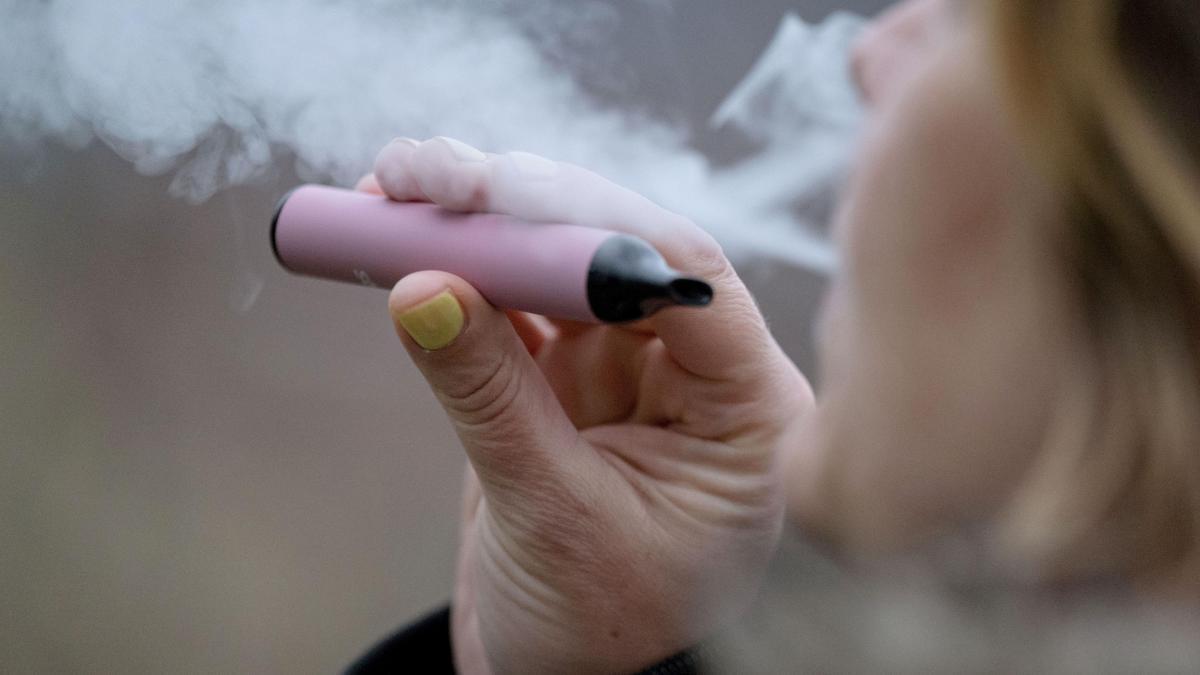
According to a report from Wort on March 6th, Cargolux, the Luxembourg-based international cargo airline, has announced that it will cease transporting disposable e-cigarettes. This decision by Cargolux and its subsidiary, Cargolux Italia, is a proactive response to the growing public concern about the harmful effects of such products on health and the environment.


Cargolux stated that disposable e-cigarettes pose a significant risk to human health, particularly to the younger generation, "because they are marketed with enticing flavors." Additionally, due to the potential environmental threat they pose, these products have already been banned in other countries, "these devices contain lithium batteries, and since they are not recyclable, improper disposal could result in environmental risks."


The company's CEO, Richard Forson, stated that he hopes that this measure will help reduce the supply of these products in the market.


This ban reflects Luxembourg International Air Cargo's commitment to the environment, public health, and safety. Through this measure, we hope to help reduce the availability of these products in the market.


At the same time, Cargolux also hopes that this initiative will lead other logistics companies to take similar actions. More and more products are now being included in the company's list of items transported on its global network routes.


We welcome news tips, article submissions, interview requests, or comments on this piece.

Please contact us at info@2firsts.com, or reach out to Alan Zhao, CEO of 2Firsts, on LinkedIn


Notice

1.  This article is intended solely for professional research purposes related to industry, technology, and policy. Any references to brands or products are made purely for objective description and do not constitute any form of endorsement, recommendation, or promotion by 2Firsts.

2.  The use of nicotine-containing products — including, but not limited to, cigarettes, e-cigarettes, nicotine pouchand heated tobacco products — carries significant health risks. Users are responsible for complying with all applicable laws and regulations in their respective jurisdictions.

3.  This article is not intended to serve as the basis for any investment decisions or financial advice. 2Firsts assumes no direct or indirect liability for any inaccuracies or errors in the content.

4.  Access to this article is strictly prohibited for individuals below the legal age in their jurisdiction.


Copyright


This article is either an original work created by 2Firsts or a reproduction from third-party sources with proper attribution. All copyrights and usage rights belong to 2Firsts or the original content provider. Unauthorized reproduction, distribution, or any other form of unauthorized use by any individual or organization is strictly prohibited. Violators will be held legally accountable.

For copyright-related inquiries, please contact: info@2firsts.com


AI Assistance Disclaimer


This article may have been enhanced using AI tools to improve translation and editorial efficiency. However, due to technical limitations, inaccuracies may occur. Readers are encouraged to refer to the cited sources for the most accurate information.

We welcome any corrections or feedback. Please contact us at: info@2firsts.com

Brazil’s Teen E-Cigarette Experimentation Rate Rises to 29.6% Over Five Years
Brazil’s National School Health Survey (PeNSE) 2024 found that e-cigarette experimentation among students aged 13 to 17 rose from 16.8% in 2019 to 29.6% in 2024, while use in the previous 30 days increased from 8.6% to 26.3%. Over the same period, conventional cigarette experimentation fell from 22.6% to 18.5%, and hookah use declined from 26.9% to 16.4%.
Mar.26 by 2FIRSTS.ai
Arizona Moves to Tighten Vape Supply-Chain Enforcement, Targeting Illicit Products
Arizona state Sen. Shawnna Bolick introduced SB 1397 to curb illicit vapes by tracing product origins, intercepting illegal shipments, and cracking down on retailers that violate state law. The proposal would require manufacturers to hold a state license to sell in Arizona, with fines up to $10,000 for unlicensed sales.
Jan.30 by 2FIRSTS.ai
IMF Article Sets Out Three Principles: Cover All Harmful Products, Match Tax Rates to Harm, Improve Cross-Border Coordination
A March 2026 article in Finance & Development, “Taxing Harmful Habits,” argues that taxes on harmful products such as tobacco, alcohol and sugary drinks should better reflect the health harm they cause. The authors propose three principles: capture all harmful products, align tax rates with health harm, and strengthen cross-border coordination to reduce evasion and smuggling.
Mar.24 by 2FIRSTS.ai
Deputy Mikhail Ivanov delivers a lesson on the harms of vapes to Sormovo school students
According to the United Russia Nizhny Novgorod branch website, Nizhny Novgorod City Duma deputy chair Mikhail Ivanov (Mikhail Ivanov) spoke to students at School No. 78 about the harms of vapes, electronic nicotine delivery systems and nicotine-free liquids, stressing that such topics should be discussed with children “honestly” and “only with facts.”
Feb.28 by 2FIRSTS.ai
Russia’s Volgograd Police Seize Illicit Nicotine Products Worth Over US$42.9K+
Police in Russia’s Volgograd region say they seized nicotine products lacking mandatory markings valued at more than RUB 3.3 million (about US$42,900+, using RUB 1 = US$0.013). A 43-year-old suspect allegedly stored and sold the products through two retail outlets in Volgograd’s Central and Dzerzhinsky districts. A criminal case has been opened under Article 171.1(6) of the Russian Criminal Code.
Jan.30 by 2FIRSTS.ai
Dalton, Georgia considers new licensing rules and caps for vape shops
Dalton, Georgia is weighing a proposal to require city licenses for vape shops, limit how many can operate within city limits, and impose a 1,000-foot buffer for new shops from schools and other community facilities. City officials say the ordinance would not eliminate existing vape shops outright, though some may be impacted if ownership changes or licenses expire.
Feb.05 by 2FIRSTS.ai