China's E-cigarette Export Data to Canada in May 2024

Industry Insight by 2FIRSTS
Jul.04.2024
China's E-cigarette Export Data to Canada in May 2024
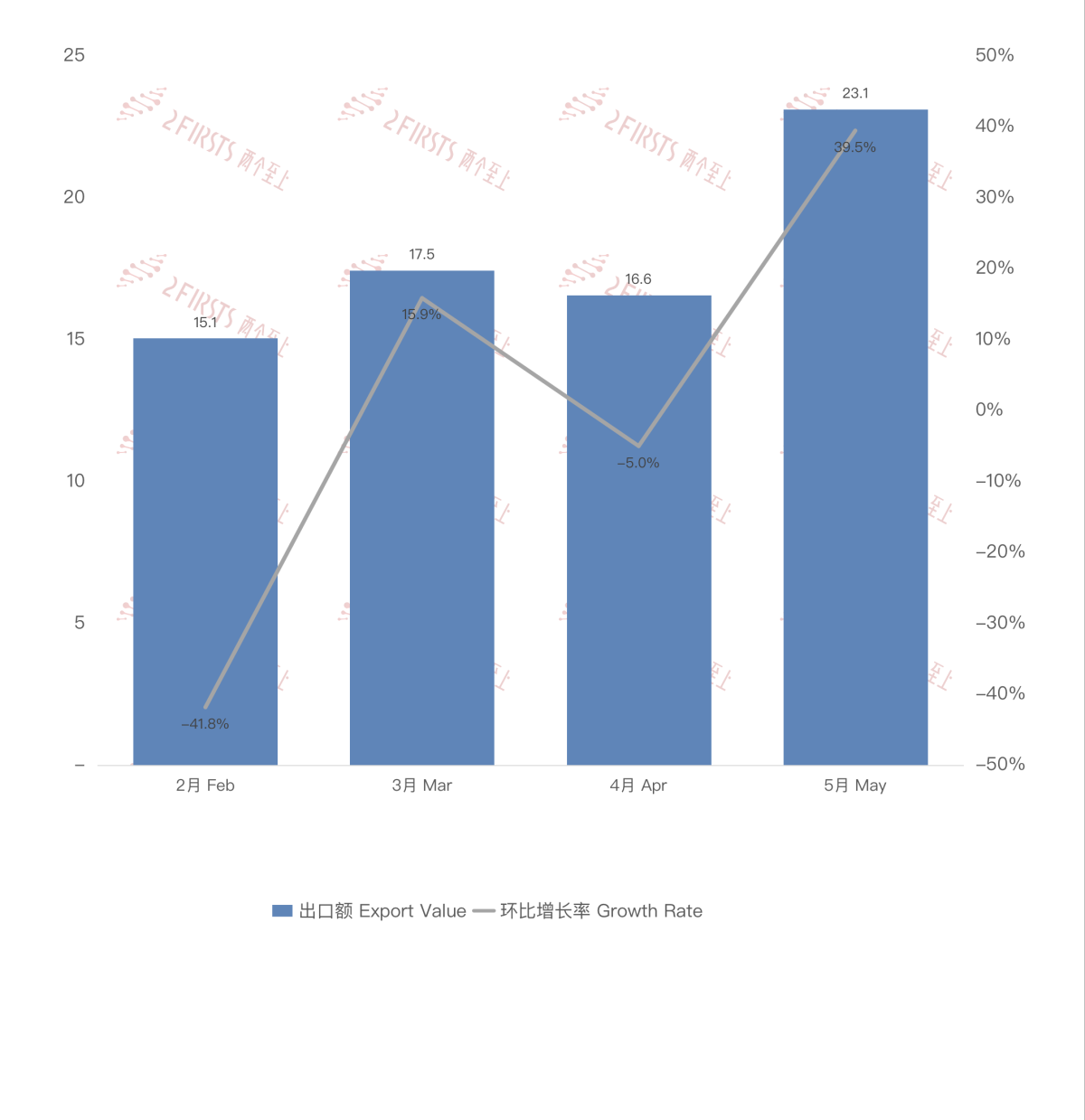
Chinese e-cigarette exports to Canada in May 2024 reached $23.13 million, up 39.5% monthly and 12% annually, according to customs data.

According to updated trade data from the General Administration of Customs, 2FIRSTS has compiled e-cigarette export data from China to Canada in May 2024.
China's E-cigarette Export Data to Canada in May 2024
Mapping: 2FIRSTS


The specifics are as follows:

China's E-cigarette Export Data to Canada in May 2024
Mapping: 2FIRSTS


The export value is approximately $23.13 million, an increase of 39.5% month-on-month and 12% year-on-year.
China's E-cigarette Export Data to Canada in May 2024
Mapping: 2FIRSTS


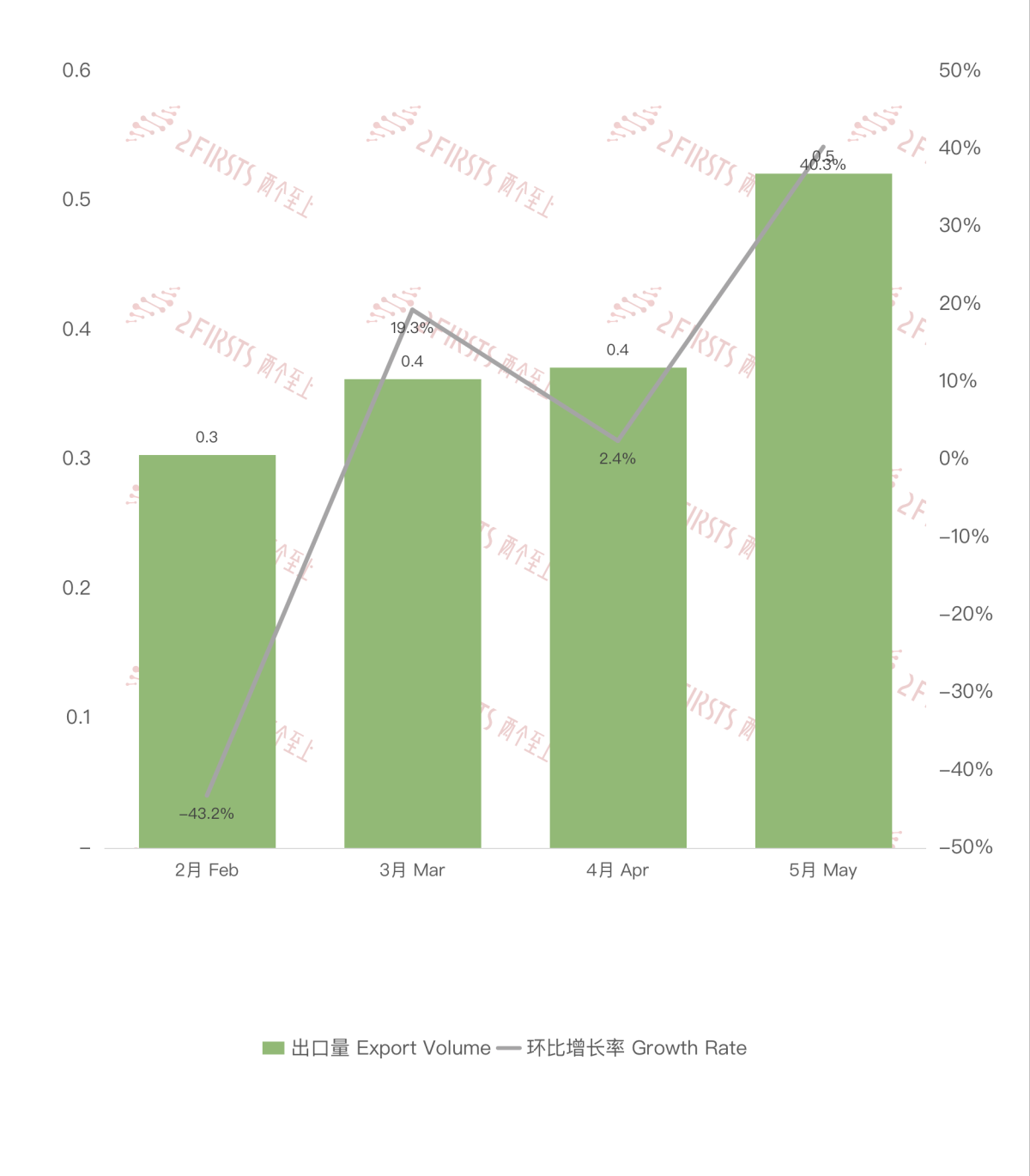
The export volume is approximately 521 tons, an increase of 40.29% compared to the previous month and an increase of 33.38% year-on-year.
China's E-cigarette Export Data to Canada in May 2024
Mapping: 2FIRSTS


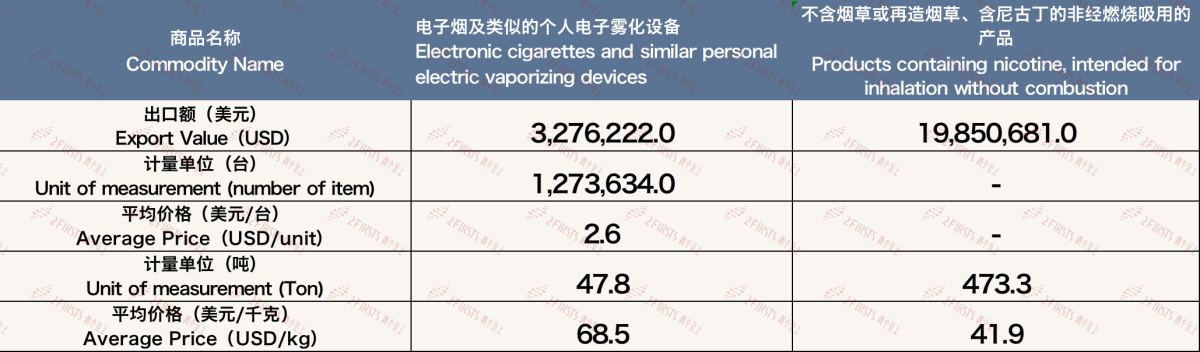
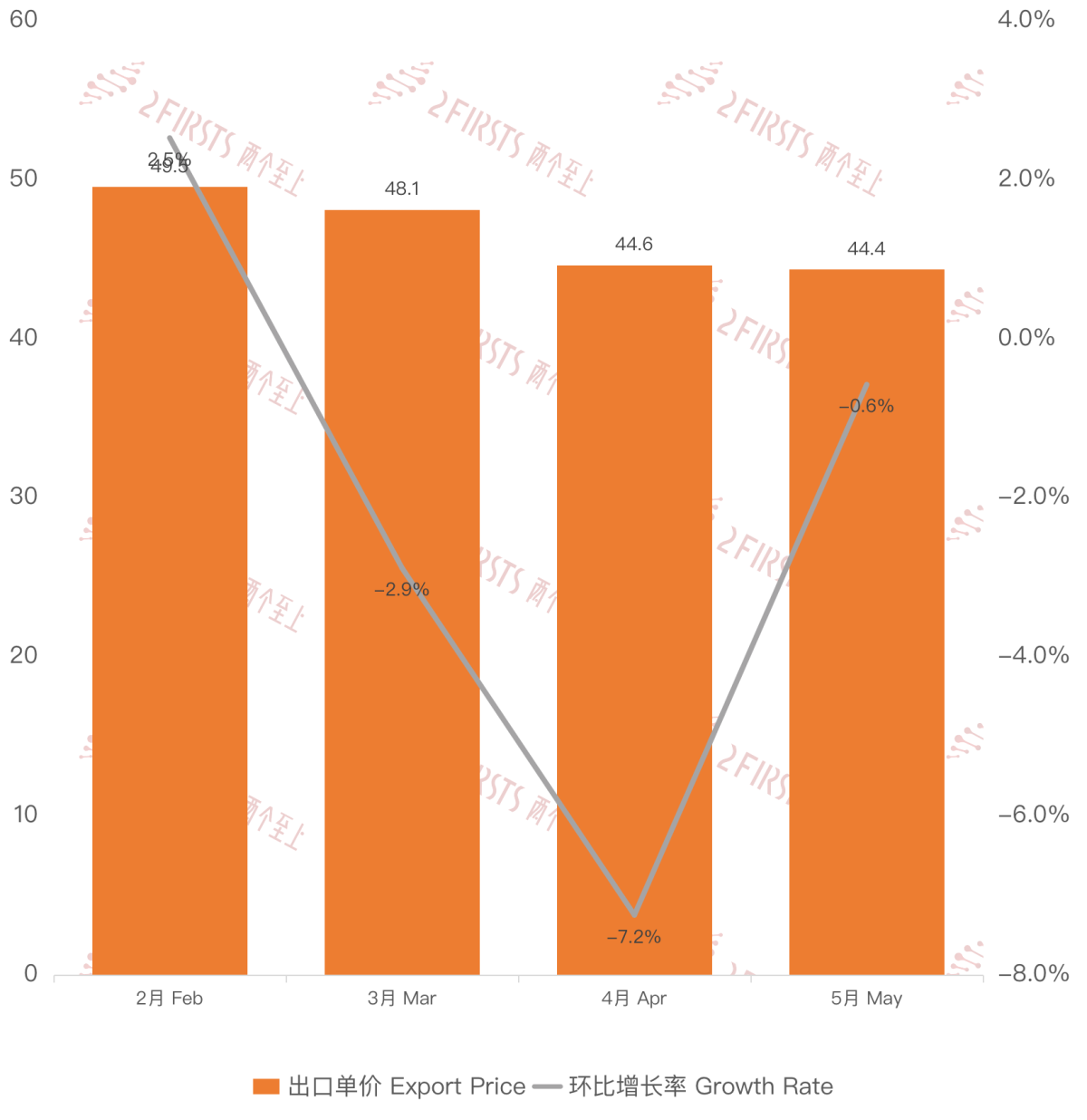
The export unit price is $44.38 per kilogram, a decrease of 0.6% month-on-month and a decrease of 16% year-on-year. The average price for "e-cigarettes and similar personal electronic vaporization devices" is $2.6 per unit.
China's E-cigarette Export Data to Canada in May 2024
Mapping: 2FIRSTS


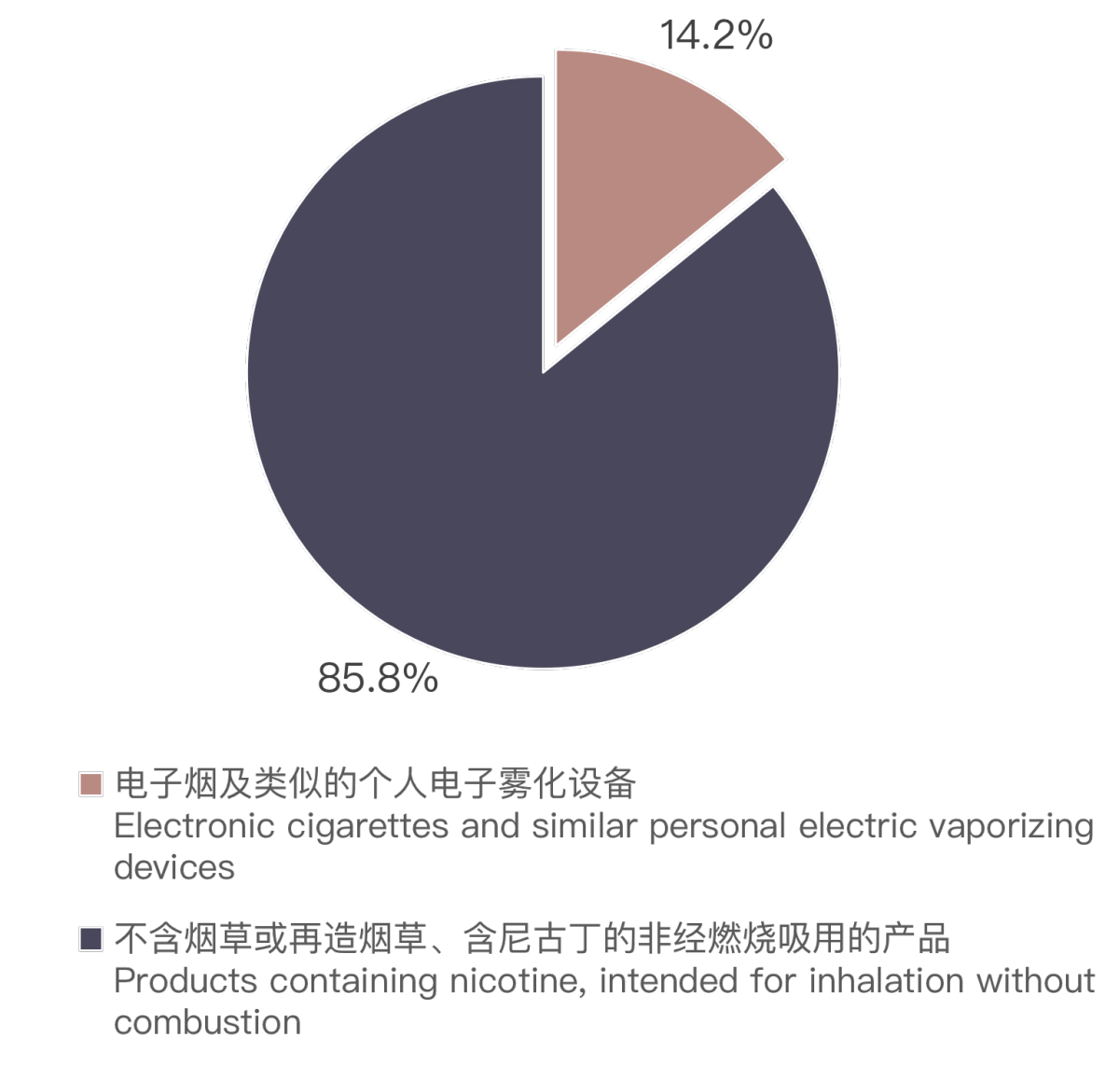
Among them, "e-cigarettes and similar personal electronic vaporizer devices" account for 14.2% of the export category, while "products containing nicotine that do not contain tobacco or reconstituted tobacco and are not intended for combustion" account for 85.8%.


We welcome news tips, article submissions, interview requests, or comments on this piece.

Please contact us at info@2firsts.com, or reach out to Alan Zhao, CEO of 2Firsts, on LinkedIn


Notice

1.  This article is intended solely for professional research purposes related to industry, technology, and policy. Any references to brands or products are made purely for objective description and do not constitute any form of endorsement, recommendation, or promotion by 2Firsts.

2.  The use of nicotine-containing products — including, but not limited to, cigarettes, e-cigarettes, nicotine pouchand heated tobacco products — carries significant health risks. Users are responsible for complying with all applicable laws and regulations in their respective jurisdictions.

3.  This article is not intended to serve as the basis for any investment decisions or financial advice. 2Firsts assumes no direct or indirect liability for any inaccuracies or errors in the content.

4.  Access to this article is strictly prohibited for individuals below the legal age in their jurisdiction.


Copyright


This article is either an original work created by 2Firsts or a reproduction from third-party sources with proper attribution. All copyrights and usage rights belong to 2Firsts or the original content provider. Unauthorized reproduction, distribution, or any other form of unauthorized use by any individual or organization is strictly prohibited. Violators will be held legally accountable.

For copyright-related inquiries, please contact: info@2firsts.com


AI Assistance Disclaimer


This article may have been enhanced using AI tools to improve translation and editorial efficiency. However, due to technical limitations, inaccuracies may occur. Readers are encouraged to refer to the cited sources for the most accurate information.

We welcome any corrections or feedback. Please contact us at: info@2firsts.com

After Export Tax Rebates Go to Zero: How China’s E-Cigarette Supply Chain Is Being Reshaped, According to 2Firsts Research
China’s e-cigarette industry is adjusting to a major policy shift. From April 1, 2026, China will scrap the 13% export VAT rebate on e-cigarette products, a move affecting manufacturers centered in Shenzhen. Industry participants told 2Firsts the change is forcing a reassessment of pricing and capacity, with competition shifting toward cash flow resilience, regulatory compliance, and multi-location strategies.
Industry Insight
Jan.16
South Korea to regulate synthetic-nicotine e-liquids as tobacco from April 24
South Korea’s Health Ministry says amendments to the Tobacco Business Act will take effect on April 24, bringing synthetic-nicotine e-liquid vapes under the legal definition of tobacco. The shift extends cigarette-style rules to these products, including mandatory graphic warnings, sharply limited advertising channels, stricter vending-machine placement requirements, and a ban on use in smoke-free areas, with enforcement checks slated from late April.
Feb.03 by 2FIRSTS.ai
Nebraska Lawmakers Consider Major Tax Hikes on Cigarettes, Vapes and Other Nicotine Products
Nebraska lawmakers are considering two tax bills targeting nicotine products. LB1124 would raise the cigarette tax from $0.64 to $1.64 per pack, while LB1238 would shift cigarettes to a 30% tax on the retailer’s purchase price and increase taxes on alternative nicotine and other tobacco products to 30%. The commentary argues the hikes could raise consumer costs, pressure small retailers, and increase cross-border shopping and illicit market activity.
Feb.04 by 2FIRSTS.ai
UK, Jersey and Guernsey to Ban Disposable Vapes From Jan. 31 as Island Sell-Through Window Closes
Jersey and Guernsey will enforce a full ban on disposable vapes from Saturday, 31 January 2026, making it illegal for shops to sell them after close of business. Online purchases shipped into the islands will also be targeted, with Guernsey’s Director of Public Health Dr Nicola Brink saying Customs will conduct checks and can seize imported disposables. Refillable vapes are not covered by the ban.
Jan.29 by 2FIRSTS.ai
Rethinking Nicotine Harm Reduction: A Neuroscientist’s Perspective on Scientific Gaps and Future Directions — By Dr. Xin-an Liu
After France’s ANSES report on nicotine products and harm reduction, Dr. Xin-an Liu wrote to 2Firsts reassessing the field’s foundations. She argues the debate reveals gaps in evidence on long-term behavioral substitution, addiction pathways and neurobiological impacts, and calls for longitudinal research, integrated behavioral science and neuroimaging, clearer risk assessment and stronger transparency to ensure policy and next-generation product development rest on solid evidence.
Industry Insight
Feb.24
Dalton, Georgia considers new licensing rules and caps for vape shops
Dalton, Georgia is weighing a proposal to require city licenses for vape shops, limit how many can operate within city limits, and impose a 1,000-foot buffer for new shops from schools and other community facilities. City officials say the ordinance would not eliminate existing vape shops outright, though some may be impacted if ownership changes or licenses expire.
Feb.05 by 2FIRSTS.ai