Dangerous Impact of E-Cigarettes on Australian's Health

Regulations by 2FIRSTS.ai
Jan.16.2024
Dangerous Impact of E-Cigarettes on Australian's Health
E-cigarettes have caused serious health complications for 178 Australians, including two deaths and a toddler poisoning.

According to a recent report by Insurance Business Magazine, the latest data from private healthcare institutions in Australia reveals that e-cigarettes have caused serious health complications for 178 individuals in recent years, leading them to require hospitalization. Shockingly, two fatalities have been reported, including one incident of accidental poisoning involving a young child.


Data shows that since 2020, a total of seven children under the age of 15 have been hospitalized due to e-cigarette-related illnesses or injuries, including one child who is only two years old. Additionally, nineteen individuals between the ages of 15 and 24 have required hospitalization for e-cigarette use, with an average length of stay of 5.6 days.


Dr. Rachel David, CEO of Private Healthcare Australia, suggests that these data may only represent a small portion of actual cases as they only encompass individuals hospitalized under health insurance.


She stated, "This further showcases the perilous and addictive threat that e-cigarettes pose to Australians of all age groups, including the potentially oblivious young individuals who may not realize they are gambling with their own health.


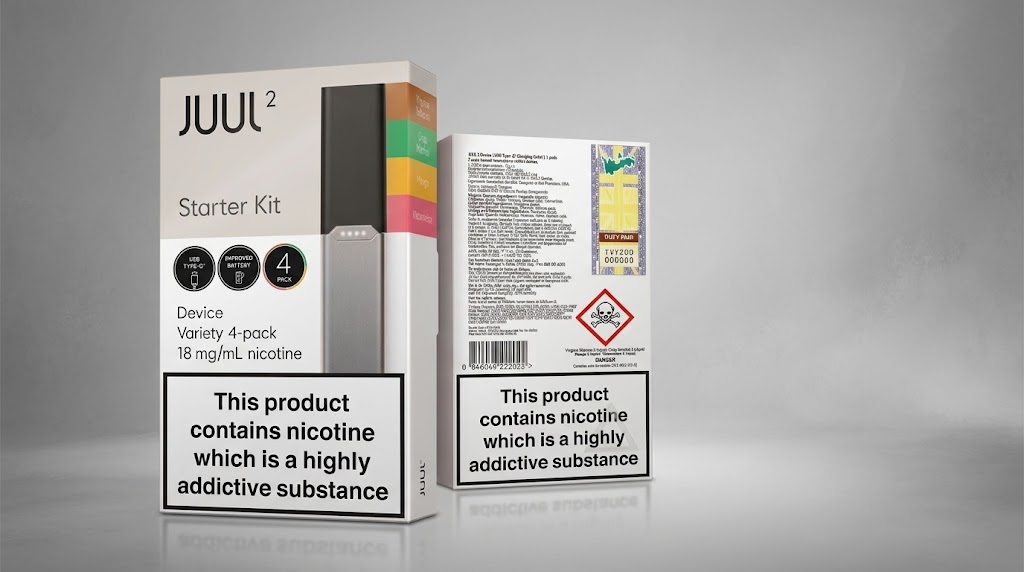
E-cigarettes, also known as electronic cigarettes, may have a sweet smell and appear mild, but research indicates that they contain up to 200 different chemicals, including herbicides and paint strippers. It is also worth noting that many products claiming to be nicotine-free still contain addictive substances.


We welcome news tips, article submissions, interview requests, or comments on this piece.

Please contact us at info@2firsts.com, or reach out to Alan Zhao, CEO of 2Firsts, on LinkedIn


Notice

1.  This article is intended solely for professional research purposes related to industry, technology, and policy. Any references to brands or products are made purely for objective description and do not constitute any form of endorsement, recommendation, or promotion by 2Firsts.

2.  The use of nicotine-containing products — including, but not limited to, cigarettes, e-cigarettes, nicotine pouchand heated tobacco products — carries significant health risks. Users are responsible for complying with all applicable laws and regulations in their respective jurisdictions.

3.  This article is not intended to serve as the basis for any investment decisions or financial advice. 2Firsts assumes no direct or indirect liability for any inaccuracies or errors in the content.

4.  Access to this article is strictly prohibited for individuals below the legal age in their jurisdiction.


Copyright


This article is either an original work created by 2Firsts or a reproduction from third-party sources with proper attribution. All copyrights and usage rights belong to 2Firsts or the original content provider. Unauthorized reproduction, distribution, or any other form of unauthorized use by any individual or organization is strictly prohibited. Violators will be held legally accountable.

For copyright-related inquiries, please contact: info@2firsts.com


AI Assistance Disclaimer


This article may have been enhanced using AI tools to improve translation and editorial efficiency. However, due to technical limitations, inaccuracies may occur. Readers are encouraged to refer to the cited sources for the most accurate information.

We welcome any corrections or feedback. Please contact us at: info@2firsts.com

New West Virginia Vape Law Begins, With Packaging and Ad Restrictions Ahead
West Virginia’s Vape Safety Act will take effect Thursday, requiring vapor products sold in vape and smoke shops to carry health warnings, legal-age notices, manufacturer information and ingredient disclosures, while introducing new licensing and enforcement rules.
Jun.10
FDA Tobacco Center Pushes Review-Efficiency Statement After Commissioner’s Exit
FDA CTP issued a May 7 statement on accelerating product review and improving PMTA efficiency, but did not push it via official X and newsletter until May 13, one day after FDA Commissioner Marty Makary’s resignation was confirmed. FDA has not explained the delay, and no public evidence links it directly to the leadership change. The timing is notable given CTP’s usual 24-hour distribution practice.
Special Report
May.14
German Environment Minister Plans Bill to Ban Disposable E-Cigarettes This Year
German Federal Environment Minister Carsten Schneider said he is preparing legislation to ban disposable e-cigarettes and will present a bill this year. Industry data estimated that legal e-cigarette sales in Germany rose by about one quarter in 2025 to €2.4 billion. Refillable devices are not expected to be affected by the ban.
May.09 by 2FIRSTS.ai
CBP and FDA Seize 18 Million Illegal Vapes Worth $175 Million in Maritime Cargo Operation
U.S. Customs and Border Protection (CBP) announced that more than 18 million illegal e-cigarettes valued at over $175 million were seized during “Operation Red Mist,” a joint enforcement initiative involving the U.S. Coast Guard and the FDA. The operation primarily targeted maritime vape shipments originating from China and focused on combating illicit importation, transportation, and distribution activities.
Regulations
May.14
 RFK Jr. Spokesman Resigns Over FDA Authorization of Fruit-Flavored Vapes
RFK Jr. Spokesman Resigns Over FDA Authorization of Fruit-Flavored Vapes
Richard Danker, a senior public affairs official in Health Secretary Robert F. Kennedy Jr.’s team, resigned from his role at HHS over the FDA’s recent authorization of fruit-flavored vaping products. In a resignation letter addressed to President Donald Trump, Danker argued that the products could expose minors to nicotine addiction, lung damage, and increased cancer risks, while also conflicting with recent HHS guidance on youth risks associated with flavored nicotine products.
News
May.15
Bringing Tax and Insurance Into Nicotine Regulation: Insights From a Tobacco Harm-Reduction Report
A smoke-free nicotine policy report argues that tobacco harm reduction should move beyond product bans and health warnings into tax policy, insurance pricing and risk-based regulation. While some projections remain open to debate, the report highlights a wider challenge: nicotine products, technologies and consumer behavior have changed sharply over the past decade, and regulatory systems may need new tools to better align tobacco control with harm-reduction goals.
Jun.08