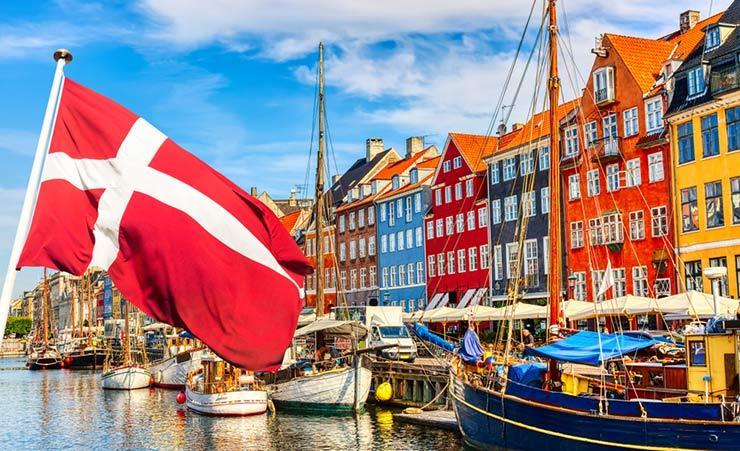
According to a report by DR.DK, a Danish news media outlet, the Danish Minister of Health, Sophie Løhde, is currently discussing with other members of the Ministry of Health to develop preventative measures to address issues related to tobacco, nicotine, and alcohol in Denmark.
A large amount of nicotine products are flooding the market and the use of illegal e-cigarettes among young people is increasing, which concerns me deeply.
The cigarette usage rate in Denmark has decreased from 20.1% to 19%, while the usage rate of smokeless nicotine products has increased from 9.1% to 12.9%. A recent study has found that e-cigarettes and smokeless nicotine products seem to be particularly popular among young people.
Compared to 2020, while there has been a decrease in the number of smokers aged 18 to 24, there has been an increase in the number of smokers aged 15 to 17.
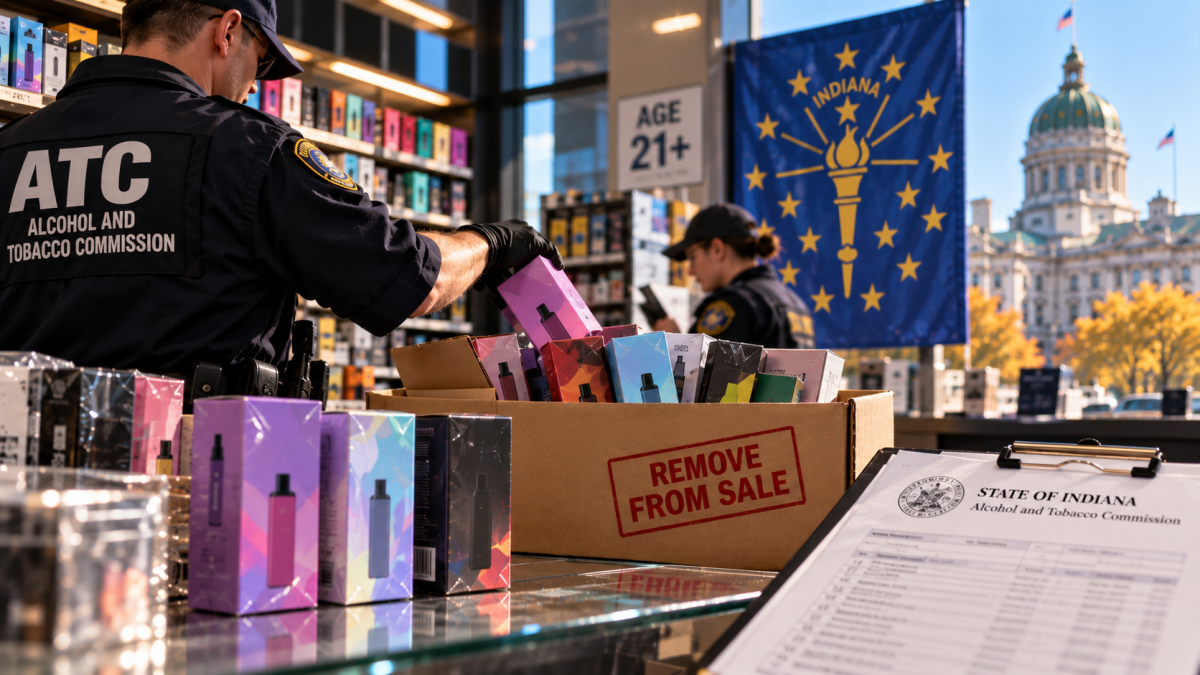
Sophie suggested that measures could be taken against stores that do not comply with the law, through stricter legislation and law enforcement. Special actions should be taken to address non-compliant stores.
The political parties in Denmark have welcomed this, with the conservative party's spokesperson for health, Per Larsen, stating:
If there are convenience stores that violate regulations, they must be punished or closed. We cannot tolerate children using things that will addict them.
The Danish parliament has implemented a nationwide prevention plan in 2019 to combat smoking among children and young adults. The plan includes a mandate for neutral packaging of cigarettes and a ban on the use of flavorings in tobacco and e-cigarettes.
The Danish government has increased the price of cigarettes, raising the cost of a pack to 60 Danish kroner (approximately 63 yuan) effective from January 2022.
The Danish government is currently considering a further adjustment of prices.
Regarding this issue, the spokesperson for the Unity Party's health department, Peder Hvelplund, stated:
We should consider it as part of a comprehensive measure, but price is clearly one of the topics we need to discuss.
Stinus Lindgreen, the health spokesperson for the radical party, stated that he hopes to strengthen control in various aspects.
We cannot simply do one thing, we must approach the problem from multiple angles.
He said that nowadays, young people are too easily able to obtain cigarettes and new types of nicotine products. These products are available in convenience stores, bars, and supermarkets, making it a common occurrence and easily accessible for young people.
I would prefer to study ways to limit its accessibility, as it should not be as easily obtainable as it is today.
Reference(s):
The Minister of Health aims to take action against puff bars and youth nicotine consumption.
Disclaimer
This article is provided solely for professional research, industry discussion, and informational purposes. Any references to brands, companies, products, technologies, or policies are made for factual reporting and analytical purposes only, and do not constitute endorsement, recommendation, promotion, or advertising by 2Firsts.
Nicotine-containing products, including but not limited to cigarettes, e-cigarettes, heated tobacco products, and nicotine pouches, carry significant health risks. Readers are responsible for complying with all applicable laws and regulations in their respective jurisdictions, including age restrictions and access limitations.
The information contained in this article should not be regarded as investment, legal, medical, regulatory, or commercial advice. While 2Firsts strives to ensure the accuracy and reliability of its content, it does not assume liability for any direct or indirect loss arising from errors, omissions, inaccuracies, or reliance on the information contained herein.
This article is not intended for individuals below the legal age for accessing tobacco or nicotine-related information in their jurisdiction.
Copyright Notice
This article is either original content produced by 2Firsts or content reproduced, translated, summarized, or adapted from third-party sources with attribution where applicable. The intellectual property rights of the original content remain with 2Firsts or the respective original rights holders.
No individual or organization may copy, reproduce, distribute, republish, modify, translate, or otherwise use this content without prior authorization. Any unauthorized use may result in legal action.
For copyright-related inquiries, corrections, or removal requests, please contact: info@2firsts.com.
AI-Assisted Translation and Editing Notice
Portions of this article may have been translated, edited, or reviewed with the assistance of artificial intelligence tools to improve efficiency and readability. Due to the limitations of AI-assisted translation and editing, discrepancies, omissions, or inaccuracies may exist when compared with the original source.
Where applicable, readers are advised to refer to the original source for the most complete and accurate information. If you identify any errors or believe that any content infringes upon your rights, please contact us at info@2firsts.com, and we will review and address the matter promptly.