E-cigarette Epidemic: Urgent Measures Needed in Scotland

Regulations by 2FIRSTS.ai
Dec.06.2023
E-cigarette Epidemic: Urgent Measures Needed in Scotland
Ash Scotland, a charity, reports that Scottish pediatric lung doctors describe student use of e-cigarettes as an "e-cigarette epidemic.

According to a charitable organization report by Ash Scotland, respiratory pediatricians in Scotland have described the widespread use of e-cigarettes among students as an "e-cigarette epidemic". This report supports proposals by the UK government and local authorities to restrict the flavors, packaging, and marketing of e-cigarettes, and urges further mitigation measures.


Chief executive of Scotland's anti-smoking campaign, Sheila Duffy, has expressed the need for swift and decisive action in the face of this public health challenge, in order to stem the rapid increase in the use of e-cigarettes among Scottish children and young people in recent years.


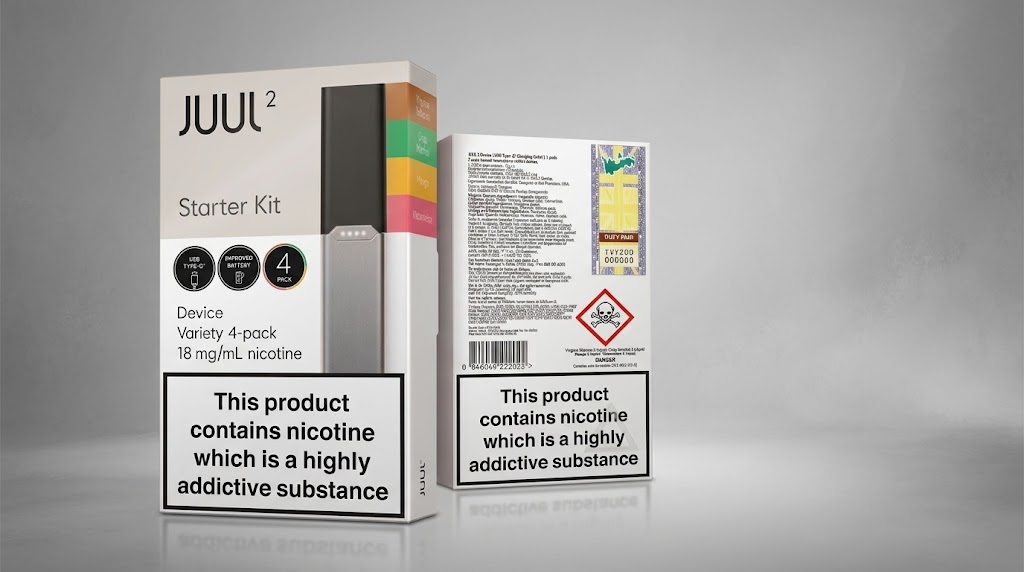
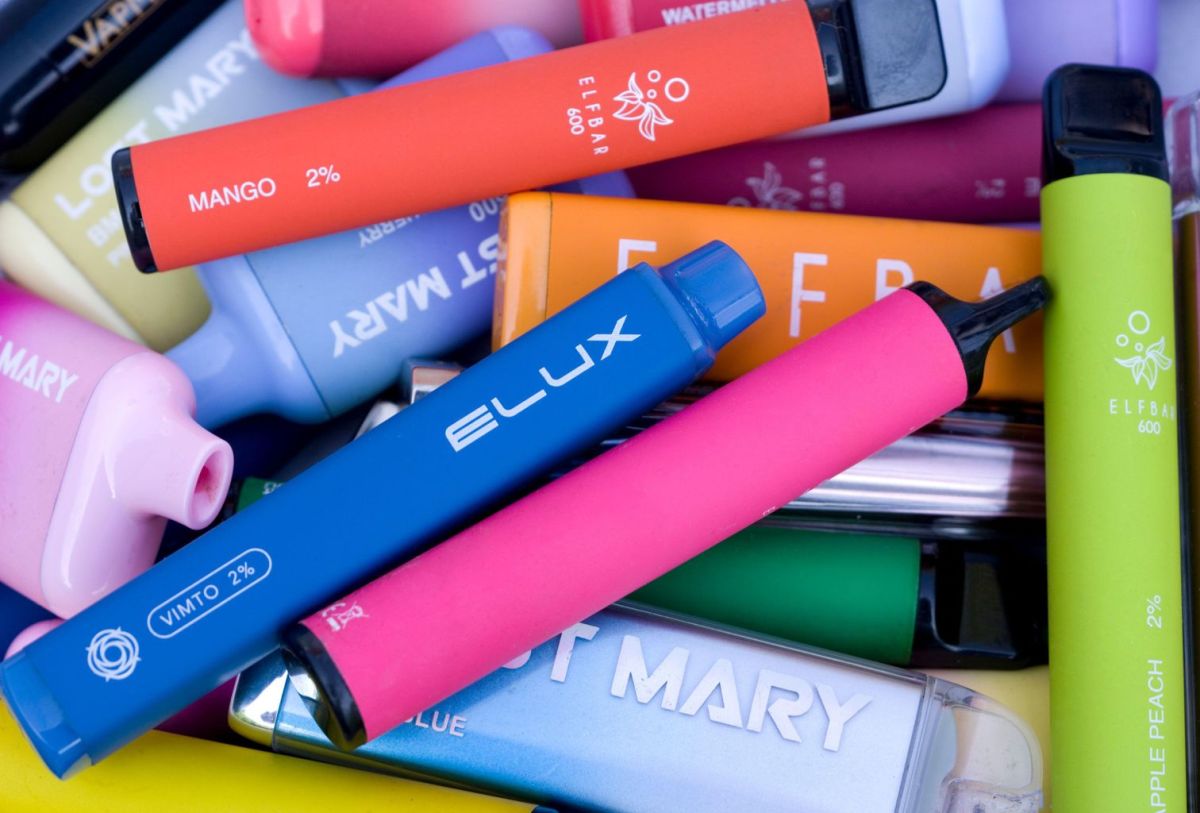
Children are lured by the flavors and scents of fruit and candy-flavored e-cigarettes, as well as the elaborate designs, packaging, and marketing tactics, especially for disposable products that are priced as low as £2. Considering that most e-cigarettes contain high levels of nicotine and toxic chemicals that are inhaled without proper safety testing, we propose removing all flavors, except for tobacco, from products that pose a health risk.


The agreement calls for a complete ban on disposable e-cigarettes. Over the past three years, the number of children using e-cigarettes has tripled, prompting the advisory panel to propose new measures. Evidence from the World Health Organization suggests that e-cigarettes could serve as a gateway to smoking, making young people more susceptible to nicotine addiction.


Hillary Duff further added, "We are also calling for a complete ban on the use of disposable e-cigarettes and implementing other stringent measures such as prohibiting the use of imagery, colors, and branding to minimize the appeal of these products to children, and concealing all e-cigarettes from the retail environment.


We welcome news tips, article submissions, interview requests, or comments on this piece.

Please contact us at info@2firsts.com, or reach out to Alan Zhao, CEO of 2Firsts, on LinkedIn


Notice

1.  This article is intended solely for professional research purposes related to industry, technology, and policy. Any references to brands or products are made purely for objective description and do not constitute any form of endorsement, recommendation, or promotion by 2Firsts.

2.  The use of nicotine-containing products — including, but not limited to, cigarettes, e-cigarettes, nicotine pouchand heated tobacco products — carries significant health risks. Users are responsible for complying with all applicable laws and regulations in their respective jurisdictions.

3.  This article is not intended to serve as the basis for any investment decisions or financial advice. 2Firsts assumes no direct or indirect liability for any inaccuracies or errors in the content.

4.  Access to this article is strictly prohibited for individuals below the legal age in their jurisdiction.


Copyright


This article is either an original work created by 2Firsts or a reproduction from third-party sources with proper attribution. All copyrights and usage rights belong to 2Firsts or the original content provider. Unauthorized reproduction, distribution, or any other form of unauthorized use by any individual or organization is strictly prohibited. Violators will be held legally accountable.

For copyright-related inquiries, please contact: info@2firsts.com


AI Assistance Disclaimer


This article may have been enhanced using AI tools to improve translation and editorial efficiency. However, due to technical limitations, inaccuracies may occur. Readers are encouraged to refer to the cited sources for the most accurate information.

We welcome any corrections or feedback. Please contact us at: info@2firsts.com

Kantar Study Finds More Than 93% of Vape Products in Ukraine Fail Regulatory Requirements
According to Interfax-Ukraine, a study conducted by market research firm Kantar Ukraine at the request of major tobacco companies found that more than 93% of vape products in Ukraine did not fully comply with regulatory requirements. The research examined product categories, brand distribution and consumer purchasing channels, showing that pod systems and disposable vapes represent major segments of the market, while offline retail remains the dominant purchasing channel. The findings highlight ongoing compliance challenges in Ukraine’s vape market.
Aug.26
China’s Jinhua Tobacco Launches CNY 2.7 Million Procurement for E-Cigarette Violation Lead Monitoring Services
Jinhua Tobacco, a municipal tobacco company in China’s Zhejiang province, has launched a public tender for e-cigarette-related violation lead monitoring and consulting services. The project is valued at CNY 2.7 million and covers data resource integration and analytical consulting services for 36 months from contract signing. The procurement reflects the use of external data and analysis services to support local tobacco companies’ market oversight activities related to e-cigarettes.
Aug.07
From Nicotine Salts to Cocrystals: China’s Shenzhen Huabao institute explores a more stable form for sustained nicotine release
China-based Shenzhen Huabao Collaborative Innovation Technology Research Institute Co., Ltd. has filed a patent application for a nicotine-ascorbic acid cocrystal, exploring a new solid-state form of nicotine. The patent proposes applications across e-liquids, heated tobacco sticks, oral tobacco, chewing tobacco and snuff. In nicotine pouch tests disclosed in the filing, cocrystal formulations showed less than a 6% decline in nicotine content after three months of accelerated storage and a release profile combining early-stage release with sustained delivery over 60 minutes. The filing reflects exploration of nicotine forms beyond conventional nicotine base and nicotine salts.
Aug.13
JT Plans ¥800 Billion Investment in Heated Tobacco Over Three Years, Betting on Ploom as Second Growth Engine
Japan Tobacco Inc. (JT) CEO Takehiko Tsutsui said the company plans to invest about ¥800 billion (approximately US$5.4 billion) in heated tobacco products over three years through 2028, aiming to establish Ploom as a second growth engine after combustible cigarettes. Tsutsui said Ploom AURA helped JT increase its share of Japan’s heated tobacco market to 15.8% in the first quarter of 2026. Ploom products are now available in 29 markets, with Ploom AURA sold in 25 markets including Japan. JT also plans to continue its cigarette business while positioning its food operations, particularly frozen noodle products in North America, as another growth opportunity.
Jul.23
JT’s Ploom Volumes Rise 43.5% as Cigarettes Anchor Its Transition
JT’s Ploom heated-tobacco volumes rose 43.5% in the first half of 2026, while combustibles still represented about 97% of its tobacco volume and remained the main earnings base. In Japan, reduced-risk products now account for 48.7% of industry shipments, shifting competition from category adoption towards brand share, pricing and consumer retention. JT’s results offer a revealing case of a traditional tobacco company pursuing a prolonged, dual-track transformation.
JTI
Jul.30
U.S. Fifth Circuit Vacates NicQuid Vape MDO, Says FDA Comparative-Efficacy Standard Violated APA Procedures
According to VitalLaw on August 27, 2026, the U.S. Court of Appeals for the Fifth Circuit vacated an FDA marketing denial order (MDO) against NicQuid LLC, ruling that the agency’s comparative-efficacy standard for electronic nicotine delivery system (ENDS) applications had become a substantive rule requiring notice-and-comment rulemaking under the Administrative Procedure Act (APA). The court did not reject FDA’s authority to compare the public health benefits and risks of flavored vapes, but held that the agency could not establish a broadly binding standard through informal adjudications. The case was remanded to FDA for further proceedings.
Aug.28