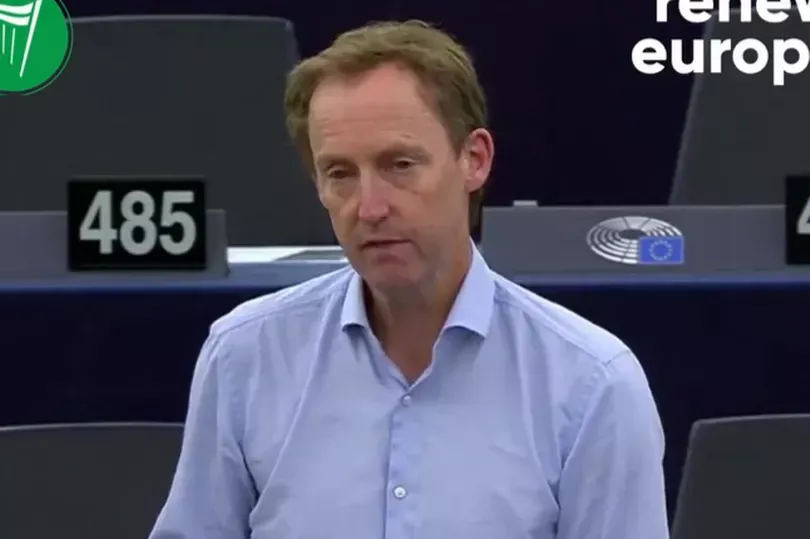
According to a report in the Irish Mirror on May 12th, Barry Andrews of the Fianna Fail party stated that e-cigarettes are targeting young people. The Member of Parliament proposed that Ireland needs to take significant steps towards banning disposable e-cigarettes.
A new study published this week by the Royal College of Surgeons in Ireland has found that long-term use of e-cigarettes significantly increases the likelihood of developing cancer and lung damage in the future. The study's lead author, Donal O'Shea, stated that e-cigarettes with flavors mimicking fruit, candy, and desserts are the most concerning. The research revealed that these chemicals produce highly toxic compounds when heated. A total of 127 dangerous chemicals classified as acutely toxic were detected in the e-cigarettes used in the study.
Professor Oxe warns that "we may be on the brink of a new peak of chronic diseases that will erupt in 15 to 20 years.
Andrews, who is currently running for a seat in the European Parliament representing Dublin, has stated that while the government has taken some actions, there still needs to be a "major leap forward.
This is a multi-billion dollar industry that specifically targets young people. They often use the excuse of "Oh, this is a way to quit smoking" but that is not recommended.
We welcome news tips, article submissions, interview requests, or comments on this piece.
Please contact us at info@2firsts.com, or reach out to Alan Zhao, CEO of 2Firsts, on LinkedIn
Notice
1. This article is intended solely for professional research purposes related to industry, technology, and policy. Any references to brands or products are made purely for objective description and do not constitute any form of endorsement, recommendation, or promotion by 2Firsts.
2. The use of nicotine-containing products — including, but not limited to, cigarettes, e-cigarettes, nicotine pouchand heated tobacco products — carries significant health risks. Users are responsible for complying with all applicable laws and regulations in their respective jurisdictions.
3. This article is not intended to serve as the basis for any investment decisions or financial advice. 2Firsts assumes no direct or indirect liability for any inaccuracies or errors in the content.
4. Access to this article is strictly prohibited for individuals below the legal age in their jurisdiction.
Copyright
This article is either an original work created by 2Firsts or a reproduction from third-party sources with proper attribution. All copyrights and usage rights belong to 2Firsts or the original content provider. Unauthorized reproduction, distribution, or any other form of unauthorized use by any individual or organization is strictly prohibited. Violators will be held legally accountable.
For copyright-related inquiries, please contact: info@2firsts.com
AI Assistance Disclaimer
This article may have been enhanced using AI tools to improve translation and editorial efficiency. However, due to technical limitations, inaccuracies may occur. Readers are encouraged to refer to the cited sources for the most accurate information.
We welcome any corrections or feedback. Please contact us at: info@2firsts.com