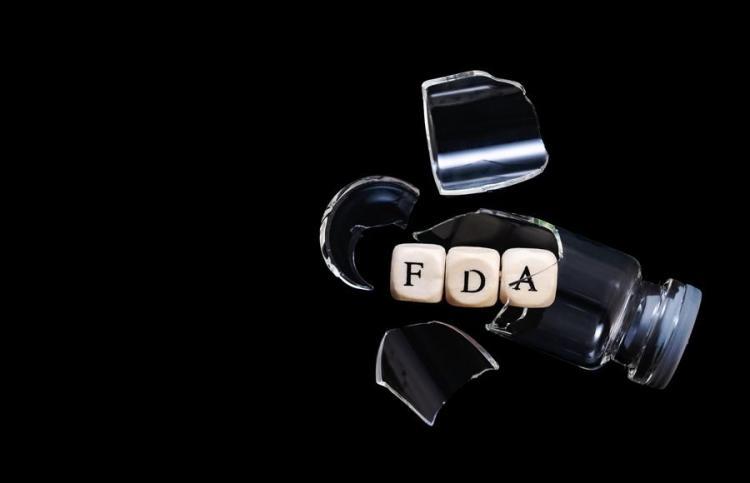
As we all know, the FDA has come under scrutiny for approving safer nicotine alternatives and related issues. Last month, the agency faced harsh criticism from Senators Dick Durbin (Democrat, Illinois) and Susan Collins (Republican, Maine). In a letter, the senators cited a news report and criticized the FDA for its lack of action on the "synthetic nicotine ban," stating that the FDA "appears to have once again failed to protect our nation's children.
Similarly, Chairman of the Smoke-Free Kids campaign, Matt Myers emphasizes that the FDA should exercise its authority and remove the products from the market. "All unauthorized synthetic nicotine products are now illegal, and according to the law, they must be removed from the market now, not at some uncertain date in the future.
Furthermore, the FDA has faced continuous condemnation for failing to complete the PMTA process in a timely manner at the designated deadline. Adding insult to injury, the FDA has also been forced to pause its recently issued Juul marketing denial order (MDO), citing the need for more thorough review.
Of course, to make these mistakes look like they're being taken seriously, Commissioner Califf announced a review of the Center for Tobacco Products (CTP). Commissioner Califf stated, "Every field is full of dedicated and talented people who work tirelessly on various scientific, policy, legal, and administrative activities. FDA employees should receive the best support so that they can fulfill their steadfast commitment to public health and to the American public we serve.
The audit will be carried out by a non-profit organization, the Reagan-Udall Foundation, in collaboration with unnamed experts to evaluate the processes and procedures, resources, and organizational structure of the food plan and CTP.
Is the Reagan-Udall Foundation reliable?
According to Filter, many people have expressed disappointment with the results of the self-audit announcement of the Reagan-Udall Foundation. "Many of the individuals investigating the foundation were handpicked from Reagan-Udall's board of directors, who are supporters of the safer nicotine zone," Filter reports. The foundation has not disclosed how many people participated in the audit, adding to the uncertainty around the issue. Notably, board members include Georges C. Benjamin, who is a proponent of prohibitionist organization Truth Initiative, and James E.K. Hildreth, a professor at Nashville's Meharry Medical College who has received millions of dollars in research grants from Juul.
According to a former employee of CTP interviewed by Filter, "I don't expect any major changes." It is currently unclear whether the Reagan-Udall Foundation will be a prohibitionist collaborator or a true partner to millions of adult smokers who are using e-cigarette products to quit smoking.
The US Food and Drug Administration (FDA) has been accused of failing to fulfill its regulatory authority to approve e-cigarette products that promote public health, without remorse. This is not due to an overloaded system or inadequate funding - the agency collects nearly $1 billion in user fees annually. "The FDA's bureaucrats have refused to take responsibility for this fact, which is the reality," added Amanda Wheeler, president of the American e-cigarette manufacturer.
Statement:
This article is compiled from third-party information and is provided for industry exchange and learning purposes only.
This article does not represent the views of 2FIRSTS and 2FIRSTS is unable to confirm the authenticity and accuracy of the article's content. The compilation of this article is solely for industry communication and research purposes.
Due to limitations in translation abilities, the compiled article may not accurately express the same message as the original text. Please refer to the original article for accuracy.
2FIRSTS fully aligns with the Chinese government's stance and statements regarding domestic issues, issues involving Hong Kong, Macau, and Taiwan, as well as foreign affairs.
The copyright of compiled information belongs to the original media and author. If there is any infringement, please contact us for removal.
Disclaimer
This article is provided solely for professional research, industry discussion, and informational purposes. Any references to brands, companies, products, technologies, or policies are made for factual reporting and analytical purposes only, and do not constitute endorsement, recommendation, promotion, or advertising by 2Firsts.
Nicotine-containing products, including but not limited to cigarettes, e-cigarettes, heated tobacco products, and nicotine pouches, carry significant health risks. Readers are responsible for complying with all applicable laws and regulations in their respective jurisdictions, including age restrictions and access limitations.
The information contained in this article should not be regarded as investment, legal, medical, regulatory, or commercial advice. While 2Firsts strives to ensure the accuracy and reliability of its content, it does not assume liability for any direct or indirect loss arising from errors, omissions, inaccuracies, or reliance on the information contained herein.
This article is not intended for individuals below the legal age for accessing tobacco or nicotine-related information in their jurisdiction.
Copyright Notice
This article is either original content produced by 2Firsts or content reproduced, translated, summarized, or adapted from third-party sources with attribution where applicable. The intellectual property rights of the original content remain with 2Firsts or the respective original rights holders.
No individual or organization may copy, reproduce, distribute, republish, modify, translate, or otherwise use this content without prior authorization. Any unauthorized use may result in legal action.
For copyright-related inquiries, corrections, or removal requests, please contact: info@2firsts.com.
AI-Assisted Translation and Editing Notice
Portions of this article may have been translated, edited, or reviewed with the assistance of artificial intelligence tools to improve efficiency and readability. Due to the limitations of AI-assisted translation and editing, discrepancies, omissions, or inaccuracies may exist when compared with the original source.
Where applicable, readers are advised to refer to the original source for the most complete and accurate information. If you identify any errors or believe that any content infringes upon your rights, please contact us at info@2firsts.com, and we will review and address the matter promptly.