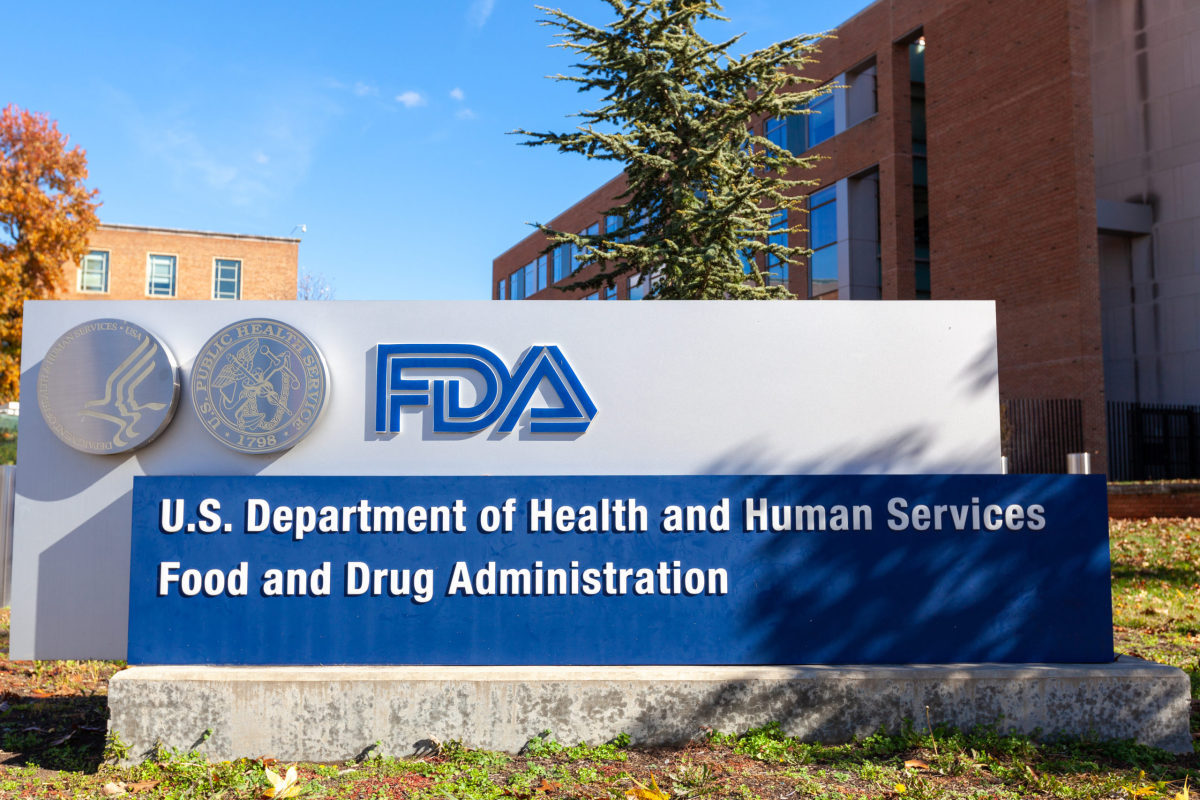
According to a report dated April 2, 2024, the U.S. Food and Drug Administration (FDA) recently released a series of internal scientific review policy memoranda, which reflect the FDA's internal viewpoints on certain issues in the pre-market review process for tobacco products. This move validates the commitment of the Center for Tobacco Products (CTP) to publish scientific policy memoranda and review guidance, in response to the feedback from the Reagan-Udall Foundation's 2022 operational assessment of the center.
The Director of the FDA Center for Tobacco Products, Dr. Brian King, stated:
We have received clear feedback from stakeholders that we have the opportunity to increase transparency of the center. In line with this commitment, the FDA is making public previous internal memos to further clarify the pre-review process. We plan to continue releasing such memos in a timely manner.
These memos provide additional transparency on the considerations of standard scientific disciplines when reviewing tobacco product applications. These memos are part of the FDA's planned release, and are the first batch to be released. This release includes six memos covering tobacco product application plans from 2019 to 2023, as well as chemical and toxicological topics involved in the review process. Generally, scientific policy memos reflect the center's internal thinking on a specific topic at a particular time. Therefore, the information contained in the memos may change, for example, due to policy changes, regulatory frameworks, or changes in standard scientific practice.
The memorandum released today is as follows:
Chemistry
- During the product review process before listing, attention should be paid to the filling material, cigarette paper, and adhesive of cigars, as well as the tobacco-specific nitrosamines (TSNA) in mainstream cigarette smoke.
- The evaluation of chemical ingredients in e-liquid manufacturing, responsibilities in the PMTA and MRTPA review programs.
- The review of smokeless tobacco products and other oral tobacco products in pre-market tobacco applications are recommended.
- Methods for evaluating the differences in nicotine release characteristics, as well as assessing extractables and leachables in tobacco product applications, are also important aspects of toxicology.
Toxicology
The use of reference values for normalizing the levels of harmful and potentially harmful constituents (HPHC) in new and comparator products in ENDS PMTAs for toxicological assessments of inhaled tobacco products.
The release of these memos is a specific action taken in response to the sixth recommendation of the Reagan-Udall Foundation's evaluation of the CTP operations. For more information on how the FDA is addressing the RUF evaluation and the newly released memos, visit the FDA's official website.
We welcome news tips, article submissions, interview requests, or comments on this piece.
Please contact us at info@2firsts.com, or reach out to Alan Zhao, CEO of 2Firsts, on LinkedIn
Notice
1. This article is intended solely for professional research purposes related to industry, technology, and policy. Any references to brands or products are made purely for objective description and do not constitute any form of endorsement, recommendation, or promotion by 2Firsts.
2. The use of nicotine-containing products — including, but not limited to, cigarettes, e-cigarettes, nicotine pouchand heated tobacco products — carries significant health risks. Users are responsible for complying with all applicable laws and regulations in their respective jurisdictions.
3. This article is not intended to serve as the basis for any investment decisions or financial advice. 2Firsts assumes no direct or indirect liability for any inaccuracies or errors in the content.
4. Access to this article is strictly prohibited for individuals below the legal age in their jurisdiction.
Copyright
This article is either an original work created by 2Firsts or a reproduction from third-party sources with proper attribution. All copyrights and usage rights belong to 2Firsts or the original content provider. Unauthorized reproduction, distribution, or any other form of unauthorized use by any individual or organization is strictly prohibited. Violators will be held legally accountable.
For copyright-related inquiries, please contact: info@2firsts.com
AI Assistance Disclaimer
This article may have been enhanced using AI tools to improve translation and editorial efficiency. However, due to technical limitations, inaccuracies may occur. Readers are encouraged to refer to the cited sources for the most accurate information.
We welcome any corrections or feedback. Please contact us at: info@2firsts.com