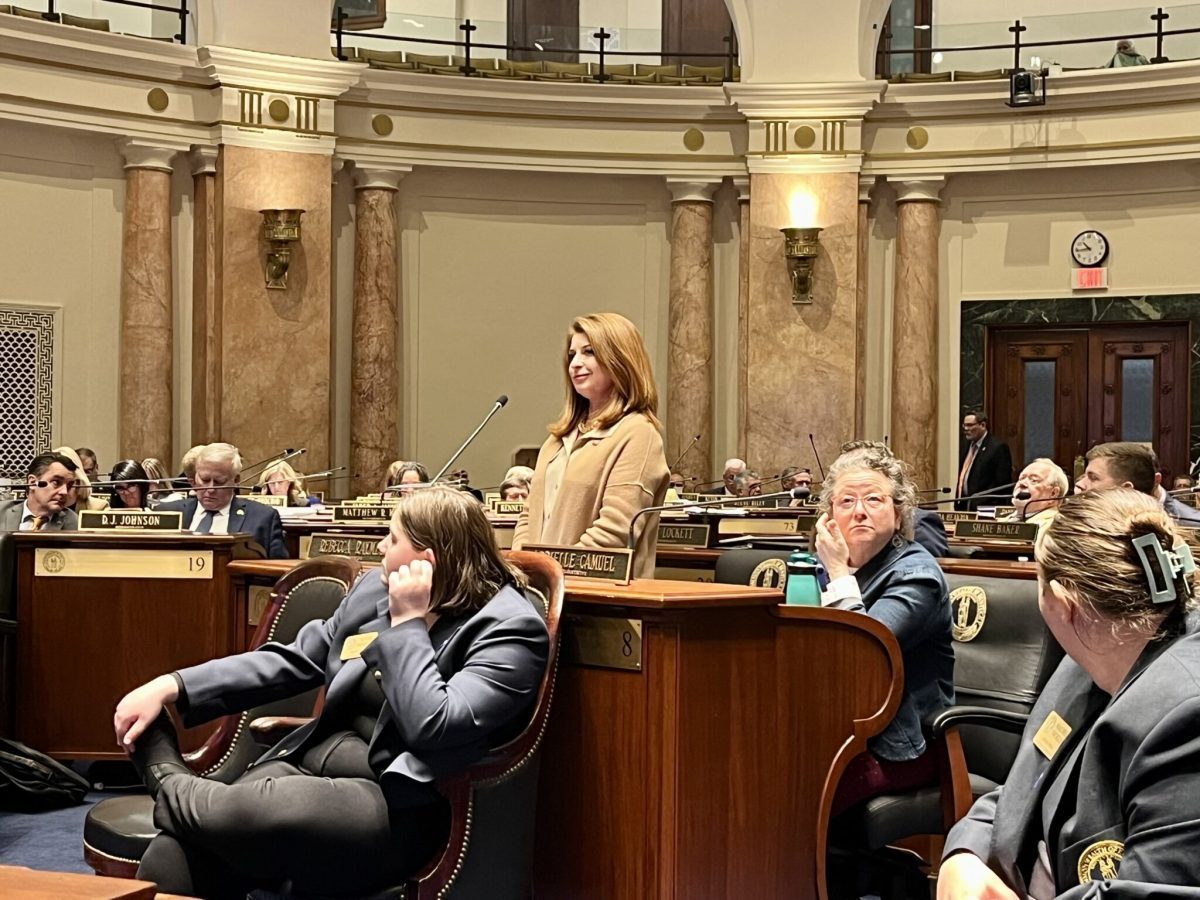
According to a report by the American media outlet Kentucky Lantern on March 29th, the e-cigarette bill in the state of Kentucky was officially passed on Thursday evening (March 28th).
On Thursday night at 10:00 p.m., the Senate passed HB 11 with a vote of 29 in favor, 7 against, and 1 abstention. Just a few hours earlier, the bill had unanimously passed through the Senate Judiciary Committee after incorporating amendments from Senate Bill 344. Around 11:00 p.m., the House also approved these changes with a vote of 64 in favor and 27 against. The bill is now ready to be sent to Governor Andy Beshear for either veto or signature. If vetoed, the legislature can override the veto.
The Senate Judiciary Committee's amendment to House Bill 11 - which reduces proposed penalties for selling e-cigarette products to those under 21 years old - has disappointed some child advocacy groups pushing for stronger enforcement measures.
The bill is scheduled to take effect next year. It stipulates that products that have been approved by the Food and Drug Administration (FDA), have applied for FDA approval, or are challenging FDA approval rejections will be subject to restrictions under the e-cigarette bill.
However, some groups have expressed concerns about this. Opponents of the bill believe that it will harm small businesses and foster a "monopoly" phenomenon.
Republican Senator Shelley Funke Frommeyer of Alexander State voted against the bill in the interest of small businesses. Despite her concern for the safety of children, she stated that the bill had "significant detrimental effects on many small businesses." Another opponent, Representative David Yates, argued that the enforcement provisions of the bill were weak and unable to adequately protect young people.
I just think we can do better, we can do our best to protect our children, so we won't be creating a monopoly for a billion-dollar company.
He said that obtaining FDA approval is a long and expensive process. The FDA is currently facing a backlog of applications from e-cigarette manufacturers.
Lawyer Greg Troutman from the Tobacco Free Association of Kentucky expresses that even with this law, children can still access these products online.
This legislation will only make the situation worse... We all agree that we don't want children to have access to these products in any form. This bill cannot prevent these products from falling into the hands of children.
The parent company of tobacco giant Philip Morris, Altria Group, lobbied for this bill according to records from the Legislative Ethics Commission. Altria Group is heavily involved in the e-cigarette market, and owns a variety of tobacco products that have been approved by the FDA.
Acrea (Acrea) CEO Billy Gifford said in a profit call on February 1 that the company is taking actions such as "engaging with state and federal legislators" to combat the illegal sales of flavored disposable e-cigarette products. He told investors that they "have been working with legislative bodies in many states that have either passed or are considering legislation requiring manufacturers to prove they have submitted pending PMTAs, or have received marketing orders compliant with FDA regulations."
We welcome news tips, article submissions, interview requests, or comments on this piece.
Please contact us at info@2firsts.com, or reach out to Alan Zhao, CEO of 2Firsts, on LinkedIn
Notice
1. This article is intended solely for professional research purposes related to industry, technology, and policy. Any references to brands or products are made purely for objective description and do not constitute any form of endorsement, recommendation, or promotion by 2Firsts.
2. The use of nicotine-containing products — including, but not limited to, cigarettes, e-cigarettes, nicotine pouchand heated tobacco products — carries significant health risks. Users are responsible for complying with all applicable laws and regulations in their respective jurisdictions.
3. This article is not intended to serve as the basis for any investment decisions or financial advice. 2Firsts assumes no direct or indirect liability for any inaccuracies or errors in the content.
4. Access to this article is strictly prohibited for individuals below the legal age in their jurisdiction.
Copyright
This article is either an original work created by 2Firsts or a reproduction from third-party sources with proper attribution. All copyrights and usage rights belong to 2Firsts or the original content provider. Unauthorized reproduction, distribution, or any other form of unauthorized use by any individual or organization is strictly prohibited. Violators will be held legally accountable.
For copyright-related inquiries, please contact: info@2firsts.com
AI Assistance Disclaimer
This article may have been enhanced using AI tools to improve translation and editorial efficiency. However, due to technical limitations, inaccuracies may occur. Readers are encouraged to refer to the cited sources for the most accurate information.
We welcome any corrections or feedback. Please contact us at: info@2firsts.com