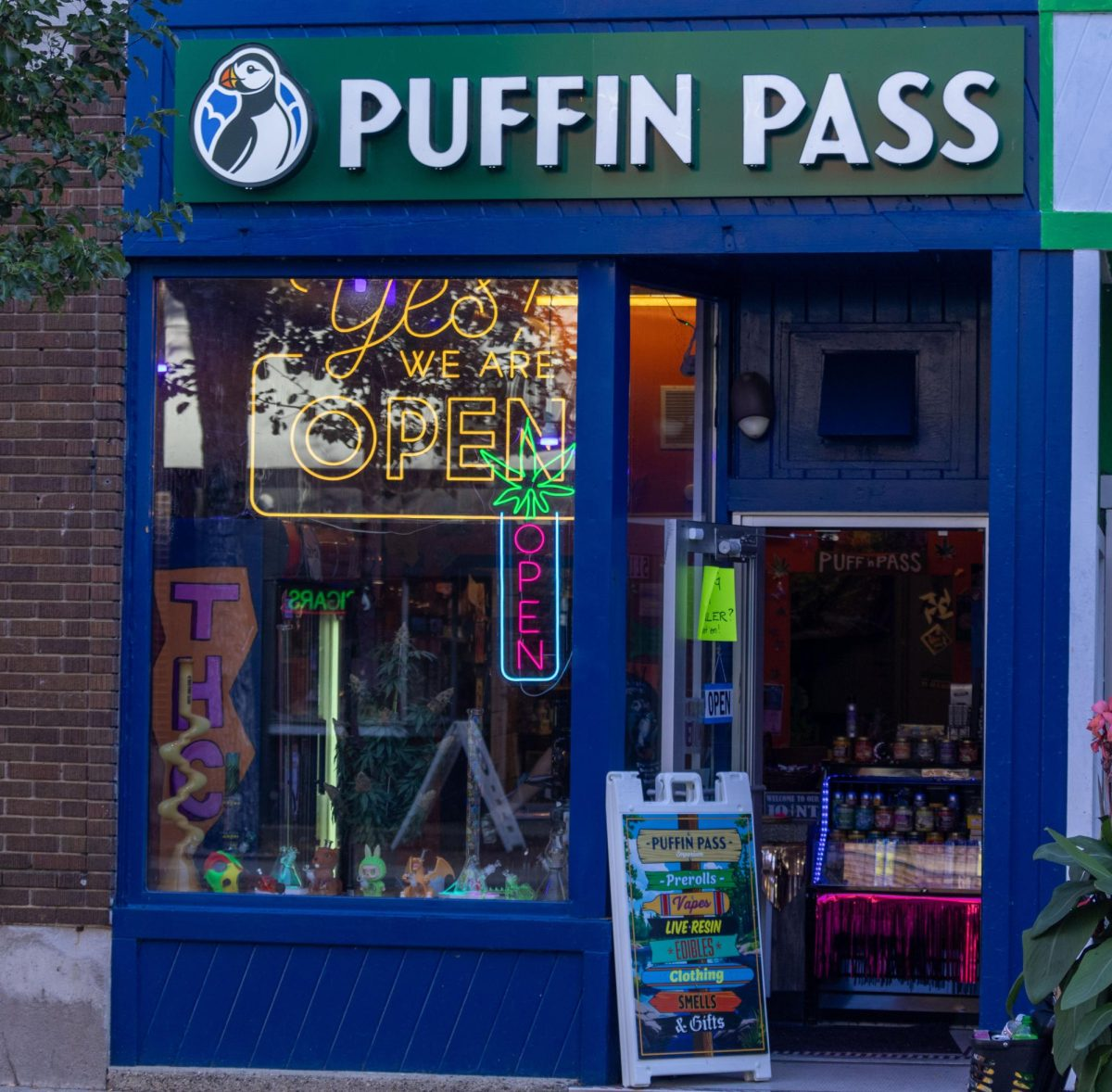
According to an announcement from the U.S. Food and Drug Administration (FDA) on April 4th, the FDA has issued 119 warning letters to physical retailers selling a variety of flavored ZYN nicotine pouches between October 2023 and February 2024, and has proposed 41 civil monetary penalties.
The FDA has issued warning letters to three online retailers for selling unauthorized flavors of ZYN nicotine pouches.
Nicotine pouches are a tobacco product containing nicotine powder or nicotine salt in a small pouch that does not require cutting, grinding, or using tobacco leaves. They can be placed between the lip and gums to absorb nicotine. According to the 2023 National Youth Tobacco Survey, approximately 1.5% of teenagers reported using nicotine pouches, a percentage that has remained stable in recent years. However, reports received by the FDA suggest that the popularity of these products among teenagers may be increasing, even becoming a trending topic on social media.
Dr. Brian King, Director of the FDA Center for Tobacco Products, stated:
Although current data does not show an increase in the use of nicotine pouches among adolescents, the FDA remains cautious about all tobacco products that may appeal to teenagers. We will continue to closely monitor the use of these products by adolescents. Selling tobacco products to anyone under the legal age is unacceptable, and if violations occur, the FDA will penalize retailers, especially those who continue to violate the rules after being warned.
Selling any tobacco products, including cigarettes, e-cigarettes, cigars, and nicotine pouches, to individuals under the age of 21 is illegal under US law. This minimum age restriction applies to all retailers and consumers without exception.
Newly launched tobacco products must obtain authorization from the FDA, and to obtain FDA authorization, products must provide sufficient scientific evidence when submitting an application to prove that they meet the public health standards required by law. As of April 2024, no "ZYN" products have been granted sales authorization by the FDA.
The FDA has issued 41 civil penalty complaints for selling to minors, requesting a total compensation exceeding $55,000. In today's announcement, three of the letters were directed at online retailers selling unauthorized ZYN nicotine pouches in flavors such as espresso, black cherry, lemon Sprite, and cucumber lime.
The FDA has stated that nicotine pouches, popular among teenagers, can be harmful to brain development and may affect attention, learning, and memory. Therefore, the use of any tobacco product by teenagers is unsafe. The FDA has urged parents, teachers, and other adults to be aware of teenagers using nicotine pouches and the potential risks to their health.
We welcome news tips, article submissions, interview requests, or comments on this piece.
Please contact us at info@2firsts.com, or reach out to Alan Zhao, CEO of 2Firsts, on LinkedIn
Notice
1. This article is intended solely for professional research purposes related to industry, technology, and policy. Any references to brands or products are made purely for objective description and do not constitute any form of endorsement, recommendation, or promotion by 2Firsts.
2. The use of nicotine-containing products — including, but not limited to, cigarettes, e-cigarettes, nicotine pouchand heated tobacco products — carries significant health risks. Users are responsible for complying with all applicable laws and regulations in their respective jurisdictions.
3. This article is not intended to serve as the basis for any investment decisions or financial advice. 2Firsts assumes no direct or indirect liability for any inaccuracies or errors in the content.
4. Access to this article is strictly prohibited for individuals below the legal age in their jurisdiction.
Copyright
This article is either an original work created by 2Firsts or a reproduction from third-party sources with proper attribution. All copyrights and usage rights belong to 2Firsts or the original content provider. Unauthorized reproduction, distribution, or any other form of unauthorized use by any individual or organization is strictly prohibited. Violators will be held legally accountable.
For copyright-related inquiries, please contact: info@2firsts.com
AI Assistance Disclaimer
This article may have been enhanced using AI tools to improve translation and editorial efficiency. However, due to technical limitations, inaccuracies may occur. Readers are encouraged to refer to the cited sources for the most accurate information.
We welcome any corrections or feedback. Please contact us at: info@2firsts.com