Georgia passes bill restricting public vaping.

Mar.22.2023
Georgia passes bill restricting public vaping.
Georgia lawmakers pass bill restricting e-cigarette use in public places, awaiting Governor Brian Kemp's signature or veto.

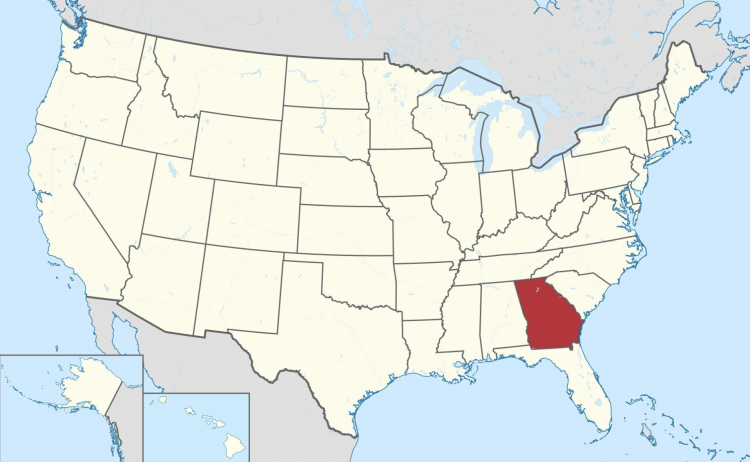
Lawmakers in Georgia passed a bill on Tuesday that restricts the use of electronic cigarettes in public places.


The State House of Representatives passed Senate Bill 47 with a vote of 152-14. The bill proposes regulating electronic cigarettes in the same way the state regulates smoking cigarettes. It will now be presented to Governor Brian Kemp for his signature or veto.


In 2005, the state of Georgia passed a law prohibiting smoking indoors in numerous public places, while some places were exempted, including tobacco shops, bars that only admit customers over 18, and private meeting rooms.


Individuals who violate the law are considered to have committed a misdemeanor and can be fined anywhere between $100 to $500.


Related Reading:


The state of Georgia in the United States is taking action to ban the use of electronic cigarettes in public places.


References:


A bill in Georgia that restricts vaping in public spaces has received final approval.


Disclaimer

This article is provided solely for professional research, industry discussion, and informational purposes. Any references to brands, companies, products, technologies, or policies are made for factual reporting and analytical purposes only, and do not constitute endorsement, recommendation, promotion, or advertising by 2Firsts.

Nicotine-containing products, including but not limited to cigarettes, e-cigarettes, heated tobacco products, and nicotine pouches, carry significant health risks. Readers are responsible for complying with all applicable laws and regulations in their respective jurisdictions, including age restrictions and access limitations.

The information contained in this article should not be regarded as investment, legal, medical, regulatory, or commercial advice. While 2Firsts strives to ensure the accuracy and reliability of its content, it does not assume liability for any direct or indirect loss arising from errors, omissions, inaccuracies, or reliance on the information contained herein.

This article is not intended for individuals below the legal age for accessing tobacco or nicotine-related information in their jurisdiction.


Copyright Notice

This article is either original content produced by 2Firsts or content reproduced, translated, summarized, or adapted from third-party sources with attribution where applicable. The intellectual property rights of the original content remain with 2Firsts or the respective original rights holders.

No individual or organization may copy, reproduce, distribute, republish, modify, translate, or otherwise use this content without prior authorization. Any unauthorized use may result in legal action.

For copyright-related inquiries, corrections, or removal requests, please contact: info@2firsts.com.


AI-Assisted Translation and Editing Notice

Portions of this article may have been translated, edited, or reviewed with the assistance of artificial intelligence tools to improve efficiency and readability. Due to the limitations of AI-assisted translation and editing, discrepancies, omissions, or inaccuracies may exist when compared with the original source.

Where applicable, readers are advised to refer to the original source for the most complete and accurate information. If you identify any errors or believe that any content infringes upon your rights, please contact us at info@2firsts.com, and we will review and address the matter promptly.


Former ATF Official’s Claims on Chinese Vape Companies and 6-Methyl Nicotine Fuel US Regulatory Debate
Former ATF Deputy Director Edgar Domenech has warned that some Chinese vape companies may be using 6-methyl nicotine, a nicotine analogue, raising new questions over how US regulators should classify emerging nicotine compounds.
Jul.13
Germany Seizes 56 Pallets of Illegal Vapes, Probe Estimates €1.8 Million Tax Loss
German authorities have seized dozens of pallets of illegal disposable vapes in a criminal investigation, with the products estimated to have caused at least €1.8 million in tax losses. The case has also raised concerns over cross-border supply chains linked to unauthorized nicotine products entering the European market.
Jul.14
Dutch NVWA Seizes Record 277,000 Illegal Vapes; Video Shows “AL FAKHER” Cartons
The Dutch Food and Consumer Product Safety Authority, known as the NVWA, seized more than 277,000 illegal vapes near Rotterdam and nearly 150,000 boxes of nicotine pouches in Utrecht and Rotterdam, calling them the largest batches of such products it has found to date. Video footage released by the NVWA shows some cartons in the warehouse bearing the “AL FAKHER / الفاخر” name, though the agency did not identify brands.
Jul.10
AP Questions FDA Rationale as Glas Fruit-Flavored Vapes Won Authorization Without Added Cessation Benefit
The U.S. Food and Drug Administration (FDA) recently authorized two fruit-flavored vaping products from Glas, but a newly released agency memo shows the products did not demonstrate greater smoking-cessation benefits than tobacco-flavored e-cigarettes. The Associated Press said the findings are likely to raise further questions about the FDA’s regulatory rationale and standards for flavored vaping products.
Jun.12
South Korea’s New Vape Rules Raise Bar for E-Liquid Makers and China-Linked Supply Chains, Expert Says
South Korea’s new vape regulations are reshaping the e-liquid market, raising compliance requirements for manufacturers, retailers and overseas suppliers. In an interview with 2Firsts, Korean nicotine products specialist Sam Kim discusses licensing barriers, inventory impacts, China-linked supply chains, and emerging regulatory challenges around nicotine analogues, nicotine-free products and DIY mixing. The Korean case may offer broader insights as governments worldwide adapt to rapidly evolving nicotine products.
Jul.16
How AI Is Rewriting the Talent Playbook for the Nicotine Industry: JTI’s Case
AI is moving from a back-office tool to a core organizational capability in the nicotine industry. Based on JTI’s responses, this 2Firsts feature examines how AI is reshaping talent strategy, internal mobility, decision-making and human accountability as global tobacco companies compete in the shift toward new nicotine categories.
Jun.17