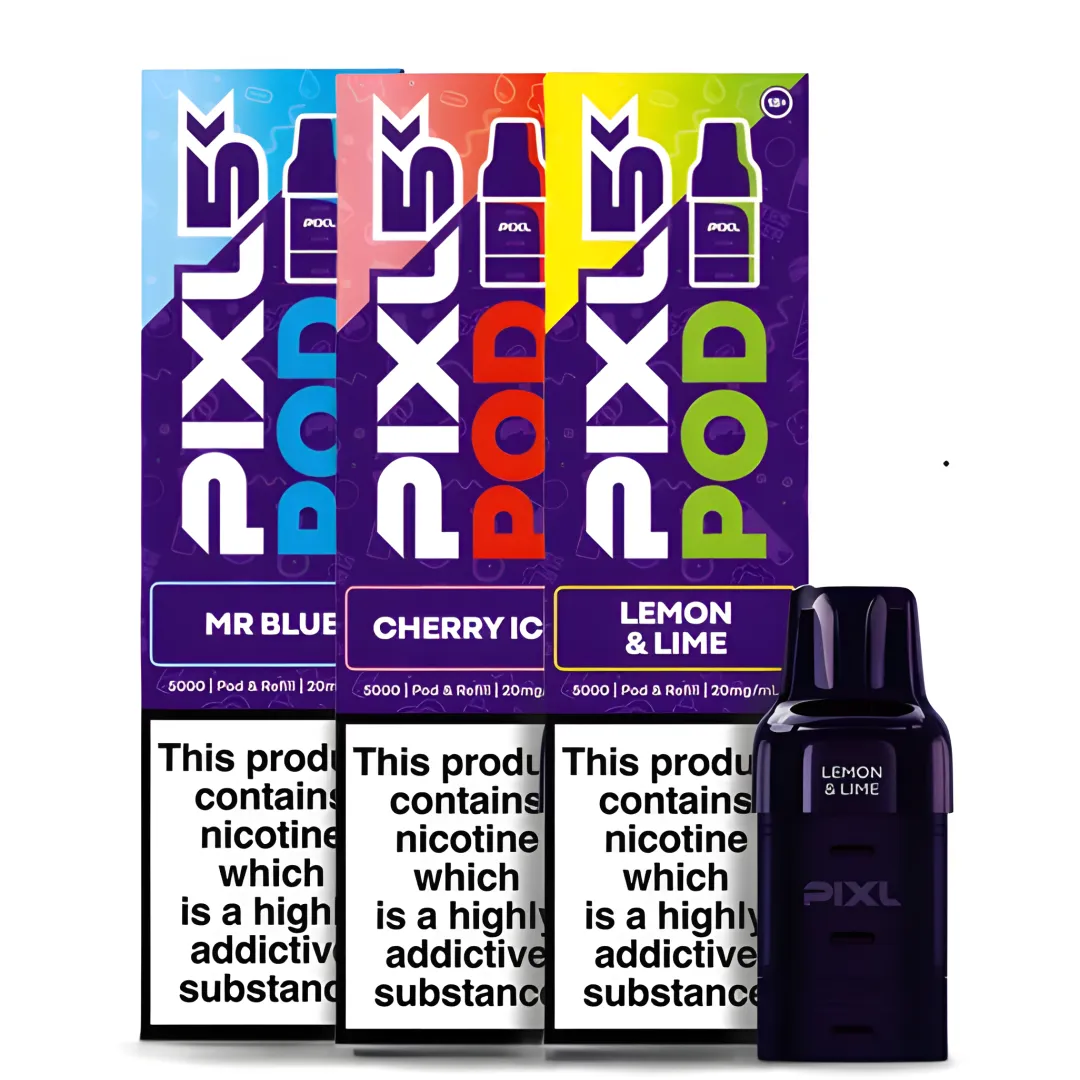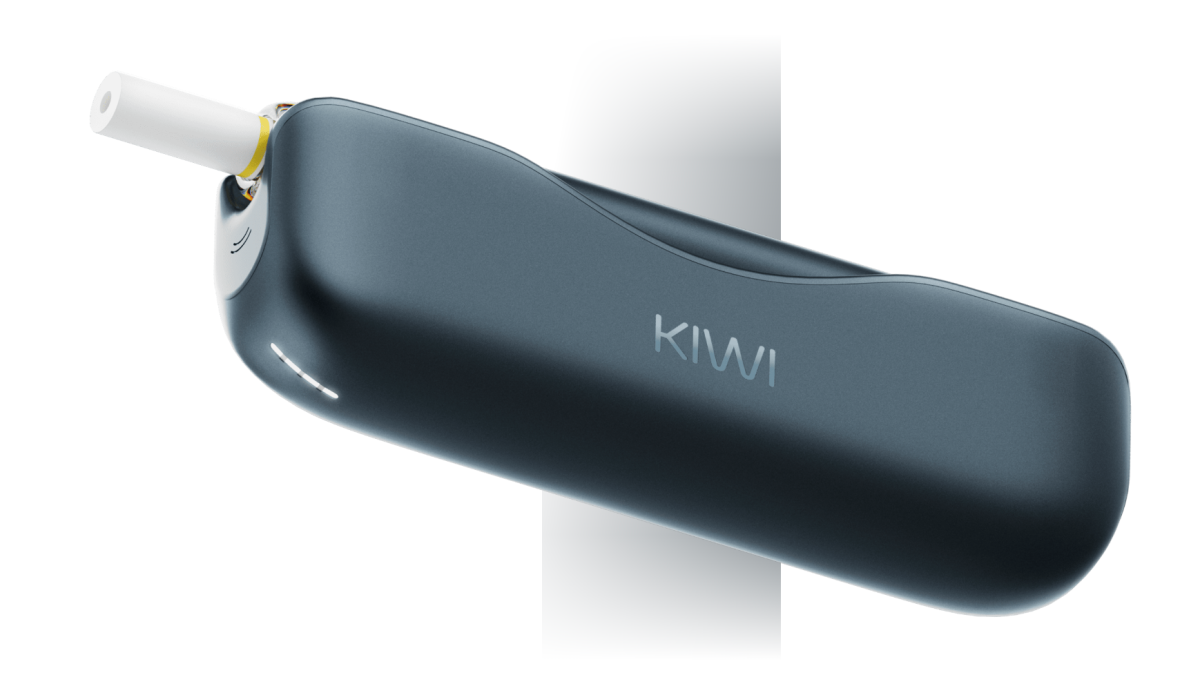
A high school student was using an electronic cigarette near a school in Cambridge, Massachusetts.
The Pittsburgh school district is joining others across the nation in filing a lawsuit against an electronic cigarette manufacturer due to the prevalence of vaping in schools.
On Monday, the education board unanimously voted to participate in multi-district lawsuits against JUUL. Attorney Emma Hodson stated that the company is facing lawsuits from multiple school districts, including some in North Carolina, regarding their marketing practices targeted towards teenagers.
Chena Cayton, the principal of Ayden Grifton High School, has reported to the school board that her school is encountering some problems due to an increase in smoking. Cayton says, "Students have had seizures due to excessive nicotine intake." She explains that the concentration of nicotine in e-cigarettes is much higher than in traditional cigarettes. "Therefore, we have had to call upon resources to help our students.
According to Consumer Reports, as of July 2021, there have been over 2,000 lawsuits filed against JUUL by consumer advocacy groups. This includes class-action and district cases, as well as lawsuits filed by various states, cities, and counties. In its first state settlement, JUUL agreed to pay $40 million to North Carolina and ceased marketing efforts targeting individuals under the age of 21.
Hodgson stated, "There was a time when nicotine use among teenagers was rapidly decreasing. Then, when e-cigarettes were initially introduced as a smoking cessation device, the use of nicotine-containing products among teenagers skyrocketed once again.
She presented information from the New England Journal of Medicine and the New York Times, which indicated that from 2017 to 2019, the proportion of teenagers attempting to use nicotine products more than doubled. This growth was seen in eighth, tenth, and twelfth grades, with one in four high school students reporting that they had tried vaping.
Hodson stated that JUUL targeted teenagers through advertisements in magazines, on television networks, and even educational websites. They also created products with flavors that appeal to children.
Hodson stated, "They've made a lot of money in the teenage market." He referenced a report from Forbes which revealed that JUUL's sales grew by 700% in 2016 and nearly doubled in 2019.
The US Food and Drug Administration (FDA) banned the sale of JUUL e-cigarettes in June, but two weeks later, it suspended the order.
Hodson said that e-cigarettes, which are small in size and easy to conceal, have posed a disciplinary challenge to schools, whereby administrators must spend time dealing with violations. Additionally, she stated that due to students disposing of the e-cigarettes in toilets to avoid being caught, it has caused physical damage to the school's plumbing system.
The Pittsburgh school system is set to join the Wake County public school system, with other schools being represented by the Greensboro-based law firm Wood, Blankenbaker and Hooven. Superintendent Hodson stated that the risk of participating in the lawsuit is minimal, as the company representing them will not receive compensation if the claim is not successful. She added that any funds obtained through a settlement would go towards education, prevention, and anti-smoking efforts.
Sheriff Ethan Renck stated that he anticipates more regions to join the lawsuit.
I have spoken with the school principal," he said. "What they are seeing at the school is a real challenge. It is both a physical challenge and an educational challenge.
Kaiden stated that education requires not only students but also parents. In some cases, parents might provide smoking devices to underage students.
She said, "We need to have a conversation with the School Resource Officer (SRO) and parents, letting them know that they can be sued. We have had numerous parents ask us for e-cigarettes because they believe they are expensive. I don't think parents understand the impact these things could have on our students.
District 8 representative Melinda Fagundus, who is also a practicing nurse, has expressed agreement.
Statement:
This article is compiled from third-party information, intended for industry professionals to exchange and study.
This article does not represent the views of 2FIRSTS, and 2FIRSTS cannot confirm the authenticity or accuracy of the article's content. The compilation of this article is intended solely for industry exchanges and research.
Due to limitations in the level of translation, this article may not accurately reflect the original text. Please refer to the original article for accuracy.
2FIRSTS maintains complete alignment with the Chinese government on all domestic, Hong Kong, Macao, Taiwan, and foreign related statements and positions.
Copyright of compiled information belongs to the original media and author. If there is any infringement, please contact us for removal.
This is a serious issue," she said. "The lawsuit will help raise awareness. It's not a safe thing. It may not smell like cigarette smoke, but that doesn't mean it won't harm your lungs.
Disclaimer
This article is provided solely for professional research, industry discussion, and informational purposes. Any references to brands, companies, products, technologies, or policies are made for factual reporting and analytical purposes only, and do not constitute endorsement, recommendation, promotion, or advertising by 2Firsts.
Nicotine-containing products, including but not limited to cigarettes, e-cigarettes, heated tobacco products, and nicotine pouches, carry significant health risks. Readers are responsible for complying with all applicable laws and regulations in their respective jurisdictions, including age restrictions and access limitations.
The information contained in this article should not be regarded as investment, legal, medical, regulatory, or commercial advice. While 2Firsts strives to ensure the accuracy and reliability of its content, it does not assume liability for any direct or indirect loss arising from errors, omissions, inaccuracies, or reliance on the information contained herein.
This article is not intended for individuals below the legal age for accessing tobacco or nicotine-related information in their jurisdiction.
Copyright Notice
This article is either original content produced by 2Firsts or content reproduced, translated, summarized, or adapted from third-party sources with attribution where applicable. The intellectual property rights of the original content remain with 2Firsts or the respective original rights holders.
No individual or organization may copy, reproduce, distribute, republish, modify, translate, or otherwise use this content without prior authorization. Any unauthorized use may result in legal action.
For copyright-related inquiries, corrections, or removal requests, please contact: info@2firsts.com.
AI-Assisted Translation and Editing Notice
Portions of this article may have been translated, edited, or reviewed with the assistance of artificial intelligence tools to improve efficiency and readability. Due to the limitations of AI-assisted translation and editing, discrepancies, omissions, or inaccuracies may exist when compared with the original source.
Where applicable, readers are advised to refer to the original source for the most complete and accurate information. If you identify any errors or believe that any content infringes upon your rights, please contact us at info@2firsts.com, and we will review and address the matter promptly.