Illegal e-cigarette distribution team detained in North Kazakhstan by Police

Sep.09.2024
Illegal e-cigarette distribution team detained in North Kazakhstan by Police
Two illegal e-cigarette dealers arrested in northern Kazakhstan for selling products via Telegram, facing up to 50 days in detention.

According to a recent report from Polisia.kz, a team of illegal e-cigarette distributors in North Kazakhstan Province, Kazakhstan, has been detained by the police.


The state police department arrested two suspects in front of a residence on Zumabayev Street in Petrovapfelsky City, and seized 26 e-cigarettes from the car belonging to one of the suspects. According to initial investigations, these young individuals were selling e-cigarettes through the Telegram platform.


In addition, an 18-year-old resident is suspected of committing similar crimes, with police discovering 154 e-cigarettes in the trunk of his car.


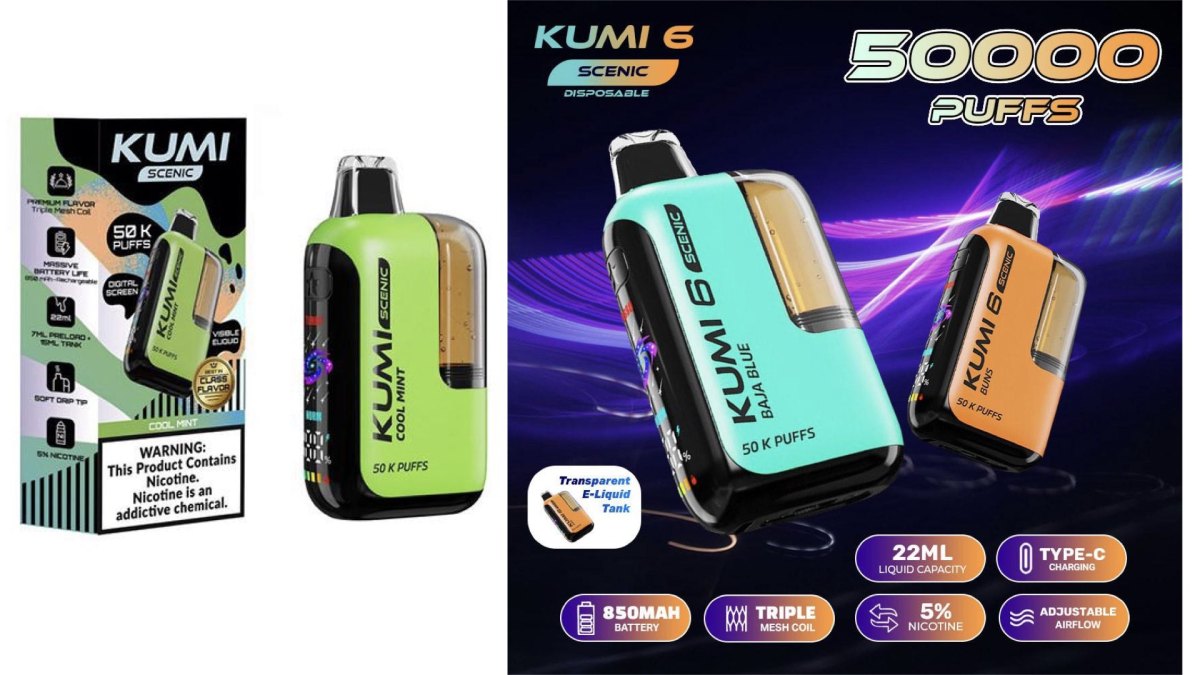
Some of the products seized involve e-cigarette brands such as "WAKA" and "ELFBAR".


The police have filed a case against individuals involved in the illegal sale of smokeless tobacco products, e-cigarettes, flavors, and their e-liquids. According to Article 301-1 of the Criminal Code of the Republic of Kazakhstan, suspects could face fines ranging from 200 months of the minimum calculation index (MCI) to a maximum of 50 days of detention.


We welcome news tips, article submissions, interview requests, or comments on this piece.

Please contact us at info@2firsts.com, or reach out to Alan Zhao, CEO of 2Firsts, on LinkedIn


Notice

1.  This article is intended solely for professional research purposes related to industry, technology, and policy. Any references to brands or products are made purely for objective description and do not constitute any form of endorsement, recommendation, or promotion by 2Firsts.

2.  The use of nicotine-containing products — including, but not limited to, cigarettes, e-cigarettes, nicotine pouchand heated tobacco products — carries significant health risks. Users are responsible for complying with all applicable laws and regulations in their respective jurisdictions.

3.  This article is not intended to serve as the basis for any investment decisions or financial advice. 2Firsts assumes no direct or indirect liability for any inaccuracies or errors in the content.

4.  Access to this article is strictly prohibited for individuals below the legal age in their jurisdiction.


Copyright


This article is either an original work created by 2Firsts or a reproduction from third-party sources with proper attribution. All copyrights and usage rights belong to 2Firsts or the original content provider. Unauthorized reproduction, distribution, or any other form of unauthorized use by any individual or organization is strictly prohibited. Violators will be held legally accountable.

For copyright-related inquiries, please contact: info@2firsts.com


AI Assistance Disclaimer


This article may have been enhanced using AI tools to improve translation and editorial efficiency. However, due to technical limitations, inaccuracies may occur. Readers are encouraged to refer to the cited sources for the most accurate information.

We welcome any corrections or feedback. Please contact us at: info@2firsts.com

Rethinking Nicotine Harm Reduction: A Neuroscientist’s Perspective on Scientific Gaps and Future Directions — By Dr. Xin-an Liu
After France’s ANSES report on nicotine products and harm reduction, Dr. Xin-an Liu wrote to 2Firsts reassessing the field’s foundations. She argues the debate reveals gaps in evidence on long-term behavioral substitution, addiction pathways and neurobiological impacts, and calls for longitudinal research, integrated behavioral science and neuroimaging, clearer risk assessment and stronger transparency to ensure policy and next-generation product development rest on solid evidence.
Industry Insight
Feb.24
PMI Faces Setback in India: Global Regulatory Fragmentation Complicates Its Smoke-Free Transition
India has reaffirmed its 2019 ban on e-cigarettes and heated tobacco devices, effectively blocking Philip Morris International (PMI) from launching IQOS in the country despite years of lobbying. Together with Taiwan, China’s conditional opening of heated tobacco products, and Japan’s planned 2026 excise tax hikes, these moves highlight increasingly divergent national regulatory pathways—an external uncertainty shaping PMI’s smoke-free growth trajectory.
Feb.12
Nebraska Lawmakers Consider Major Tax Hikes on Cigarettes, Vapes and Other Nicotine Products
Nebraska lawmakers are considering two tax bills targeting nicotine products. LB1124 would raise the cigarette tax from $0.64 to $1.64 per pack, while LB1238 would shift cigarettes to a 30% tax on the retailer’s purchase price and increase taxes on alternative nicotine and other tobacco products to 30%. The commentary argues the hikes could raise consumer costs, pressure small retailers, and increase cross-border shopping and illicit market activity.
Feb.04 by 2FIRSTS.ai
BAT Japan to launch two new VELO nicotine pouch flavours in February
BAT Japan will roll out two new VELO nicotine pouch variants from Feb. 2, 2026: Smooth Peppermint Medium and Breezy Mango Intense. The products will be sold via the official glo & VELO online store, the glo Store Ginza and nationwide tobacco retail channels in Japan.
Jan.23 by 2FIRSTS.ai
Germany Sees 18.2% Jump in Taxed Tobacco Substitutes in 2025, Including E-liquids
Germany’s Federal Statistical Office (Destatis) said 66.4 billion cigarettes were taxed in 2025, up 0.2% from 2024, while long-term volumes have more than halved since 1991 and per-capita consumption fell to 795 cigarettes. Taxed tobacco substitutes such as e-cigarette liquids reached 1.5 million liters, up 18.2% year on year.
Jan.26 by 2FIRSTS.ai
EVO NXT 2026 Offers Unique Insights Into A Dynamic Industry
Feb.09