Key Takeaways
- The article argues that effective health taxes require three principles: covering all harmful products, matching tax rates to health harm, and improving cross-border coordination.
- It says many countries still have “leaky” tax systems in which some harmful products remain untaxed.
- On nicotine, the authors say e-cigarettes, heated tobacco products and nicotine pouches reduce toxicant exposure compared with cigarettes and therefore make more sense at lower tax rates.
- The article cites New Zealand, where cigarette smoking fell from 18% in 2012 to 8% in 2024 while e-cigarette uptake rose from near zero to 14%.
- It also says the European Commission’s draft Tobacco Excise Directive would set minimum rates for 13 product categories, with significantly lower rates for e-cigarettes, heated tobacco products and nicotine pouches, while leaving no tobacco or nicotine product exempt.
2Firsts, March 24, 2026
According to the March 2026 Finance & Development article “Taxing Harmful Habits,” Christoph B. Rosenberg and Marius van Oordt argue that tax systems for harmful products such as tobacco, alcohol and sugary drinks should be designed to better reflect the health harm these products cause.
The article sets out three principles: cover all harmful products, align tax rates with harm, and strengthen cross-border coordination
The authors write that simply raising tax rates is not enough to optimize both revenue and health outcomes, because consumers may ultimately switch to untaxed or illicit alternatives. Instead, they propose a broader framework built on three principles: capture all unhealthy products, align tax rates with potential health harm, and cooperate across borders to limit evasion and smuggling.
The article adds that many countries still have “leaky tax nets,” where some harmful products remain untaxed, weakening both revenue collection and public health policy.
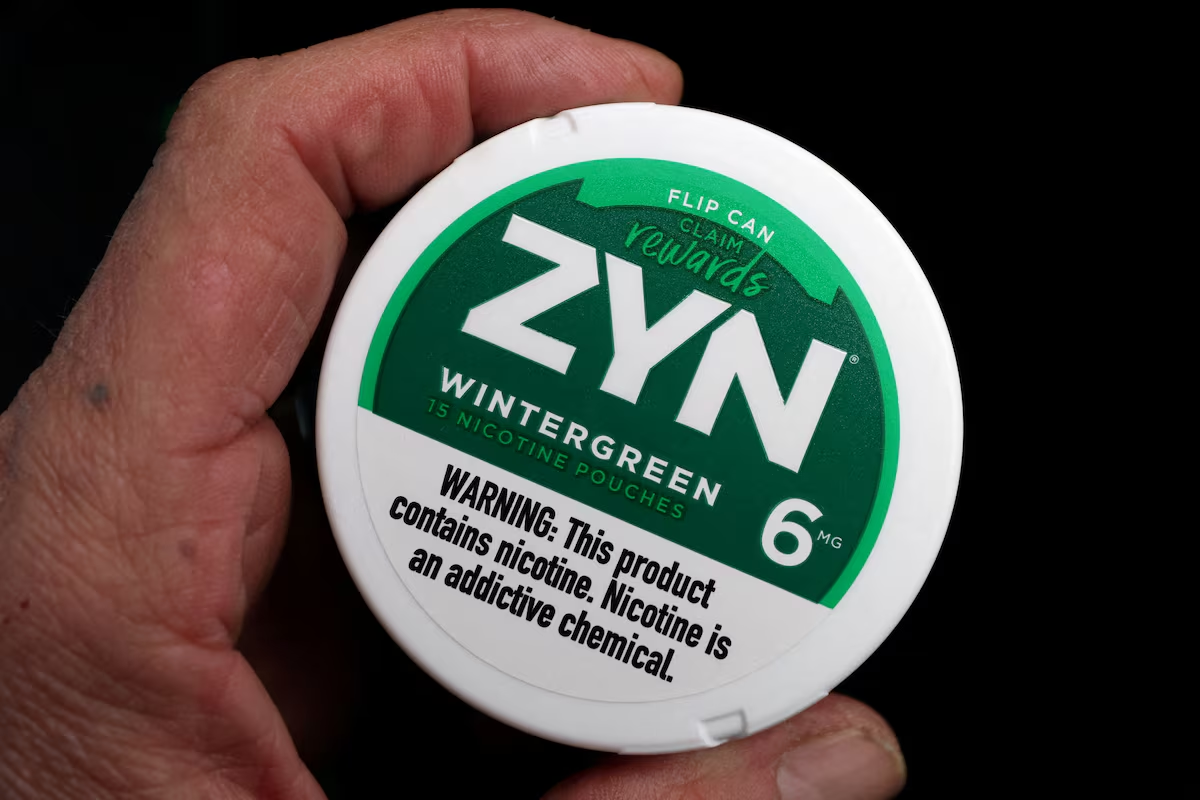
E-cigarettes, heated tobacco products and nicotine pouches are described as candidates for lower tax rates than cigarettes
In the section on nicotine products, the article says that as smoking bans expand and consumer preferences change, alternatives to traditional cigarettes — from e-cigarettes to heated tobacco products to nicotine pouches — increasingly serve people who have not quit nicotine use. The authors say these newer products are still harmful, but many reduce exposure to toxicants, and that it therefore makes sense to tax them at lower rates, with those rates adjusted over time as research and revenue needs evolve.
The article also points to the European Union’s direction of travel. It says the European Commission’s recently published draft Tobacco Excise Directive proposes minimum tax rates for 13 product categories, applies similar levels to cigarettes and loose tobacco, and sets significantly lower rates for e-cigarettes, heated tobacco products and nicotine pouches. It also says no tobacco or nicotine product would be exempt from taxation.
New Zealand is cited as an example of how widening tax differentials may shift consumption
The article uses New Zealand as a case study. It says successive governments raised excise rates on combustible tobacco products by 10% or more a year over the past 15 years in a deliberate effort to widen the tax differential with less harmful alternatives. Over the same period, cigarette smoking fell from 18% in 2012 to 8% in 2024, while uptake of e-cigarettes rose from near zero to 14%. The authors note that causality is difficult to prove, but say it appears plausible that the widening price differential contributed to this shift.
The article concludes with a comparison across G20 countries, saying that health-tax alignment with product harm remains mixed: tobacco taxation is generally more comprehensive, alcohol somewhat less so, and sugary drink taxation remains especially patchy.
Image source: Finance & Development
We welcome news tips, article submissions, interview requests, or comments on this piece.
Please contact us at info@2firsts.com, or reach out to Alan Zhao, CEO of 2Firsts, on LinkedIn
Notice
1. This article is intended solely for professional research purposes related to industry, technology, and policy. Any references to brands or products are made purely for objective description and do not constitute any form of endorsement, recommendation, or promotion by 2Firsts.
2. The use of nicotine-containing products — including, but not limited to, cigarettes, e-cigarettes, nicotine pouchand heated tobacco products — carries significant health risks. Users are responsible for complying with all applicable laws and regulations in their respective jurisdictions.
3. This article is not intended to serve as the basis for any investment decisions or financial advice. 2Firsts assumes no direct or indirect liability for any inaccuracies or errors in the content.
4. Access to this article is strictly prohibited for individuals below the legal age in their jurisdiction.
Copyright
This article is either an original work created by 2Firsts or a reproduction from third-party sources with proper attribution. All copyrights and usage rights belong to 2Firsts or the original content provider. Unauthorized reproduction, distribution, or any other form of unauthorized use by any individual or organization is strictly prohibited. Violators will be held legally accountable.
For copyright-related inquiries, please contact: info@2firsts.com
AI Assistance Disclaimer
This article may have been enhanced using AI tools to improve translation and editorial efficiency. However, due to technical limitations, inaccuracies may occur. Readers are encouraged to refer to the cited sources for the most accurate information.
We welcome any corrections or feedback. Please contact us at: info@2firsts.com