Indonesian Customs Burns Over 6.6 Million Illegal Cigarettes

Regulations by 2FIRSTS.ai
Dec.28.2023
Indonesian Customs Burns Over 6.6 Million Illegal Cigarettes
Indonesian customs on Badan Island burn over 6.6 million illegal cigarettes worth IDR 540 million ($38,000).

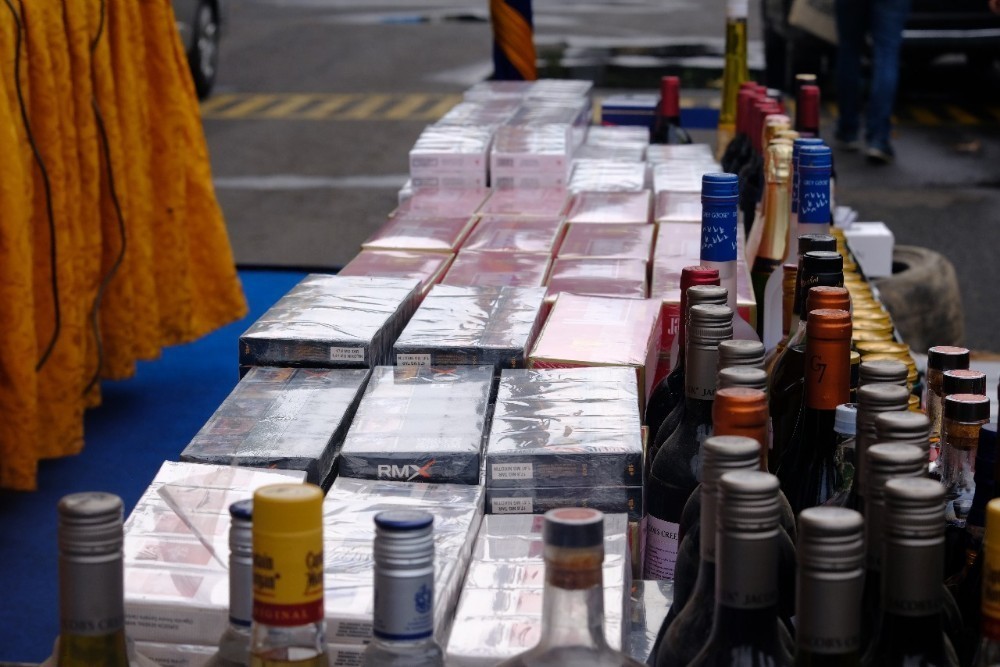
According to a report by Bisnis.com on December 28th, the Batam Island customs in Indonesia have incinerated over 6.6 million illicit cigarettes. The destroyed cigarettes, ranging from 2015 to 2023, were valued at 540 million rupees.


Rizal, the chief of customs on Bintan Island, stated that in addition to illegal cigarettes, other items that were destroyed also included alcoholic beverages, electrical goods, tires, and adult products.


According to Leesa, in addition to over 6.6 million illicit cigarettes and over 6 kilograms of tobacco products, the Batam Island customs also destroyed over 6,000 bottles of alcoholic beverages, nearly 1,000 used tires, over 900 mobile phones and computers, as well as over 400 adult products. The estimated total value of the destroyed items is approximately 7.9 billion rupees.


Lisa emphasised that the destruction of these items is in accordance with regulations. She regards the disposal of this batch of goods as a measure taken by customs to protect the public from the infringement of illegal merchandise.


We welcome news tips, article submissions, interview requests, or comments on this piece.

Please contact us at info@2firsts.com, or reach out to Alan Zhao, CEO of 2Firsts, on LinkedIn


Notice

1.  This article is intended solely for professional research purposes related to industry, technology, and policy. Any references to brands or products are made purely for objective description and do not constitute any form of endorsement, recommendation, or promotion by 2Firsts.

2.  The use of nicotine-containing products — including, but not limited to, cigarettes, e-cigarettes, nicotine pouchand heated tobacco products — carries significant health risks. Users are responsible for complying with all applicable laws and regulations in their respective jurisdictions.

3.  This article is not intended to serve as the basis for any investment decisions or financial advice. 2Firsts assumes no direct or indirect liability for any inaccuracies or errors in the content.

4.  Access to this article is strictly prohibited for individuals below the legal age in their jurisdiction.


Copyright


This article is either an original work created by 2Firsts or a reproduction from third-party sources with proper attribution. All copyrights and usage rights belong to 2Firsts or the original content provider. Unauthorized reproduction, distribution, or any other form of unauthorized use by any individual or organization is strictly prohibited. Violators will be held legally accountable.

For copyright-related inquiries, please contact: info@2firsts.com


AI Assistance Disclaimer


This article may have been enhanced using AI tools to improve translation and editorial efficiency. However, due to technical limitations, inaccuracies may occur. Readers are encouraged to refer to the cited sources for the most accurate information.

We welcome any corrections or feedback. Please contact us at: info@2firsts.com

The Spark of Reason| 2Firsts 2026 New Year Message
Looking ahead to 2026, we do so with genuine anticipation. This will be a milestone year—the dawn of a new era.
Jan.01
Study: TikTok Content Frames Nicotine Pouches as “Trendy Accessories,” Diluting Risk Perception Among Youth
A study published in JMIR Formative Research analyzed 132 TikTok videos related to nicotine pouches and found that platform content predominantly presents these products as a “youthful trend” rather than as smoking cessation tools. Health risks are underrepresented, the user base appears largely male, and this portrayal may influence how adolescents perceive the risks associated with nicotine products.
Dec.04 by 2FIRSTS.ai
Illegal Vape Suppliers Move Online After Queensland Crackdown
Less than two weeks after Queensland police raided and shut down tobacconists suspected of selling illegal e-cigarettes, at least one supplier has moved its business online. Flyers with QR codes advertising same-day delivery of vapes, tobacco, and nicotine pouches were found taped to electricity poles across the Gold Coast.
Dec.05 by 2FIRSTS.ai
New York directs Tax and Finance to build “Vapor Products” registry; products not listed deemed illegal
New York Gov. Kathy Hochul says the state will crack down on illegal flavored vapes by creating a registry identifying which vapor products may be legally sold. The governor directed the state Department of Taxation and Finance to establish a “Vapor Products” registry, with products not on the list treated as illegal.
Jan.20 by 2FIRSTS.ai
AIR Acquires Germany’s NameLess to Expand Global Presence in Flavored Hookah Market
AIR Limited, the Dubai-based global leader in hookah and advanced inhalation technologies, announced the acquisition of NameLess, one of Germany’s most recognized brands for premium flavored hookah products.
Dec.11 by 2FIRSTS.ai
Alan Zhao: In the Post-“Absolute Resolve” Era: Speculating on U.S.-Referenced Regulatory Alignment and the Restructuring of Order in South America’s Novel Tobacco Market
Alan Zhao analyzes post-Operation Absolute Resolve geopolitics and the rise of “U.S.-referenced regulatory alignment” in South America’s novel tobacco market as U.S. influence grows. Using regulatory reliance, digitalized enforcement, and industrial shifts, he assesses how rule redesign may alter market access, competition, and supply chains, asking how firms can find durable certainty as order is rewritten.
Jan.06 by 2Firsts Perspectives