Indonesian Tobacco Industry Protests Government Regulations as Threats Emerge

Regulations by 2FIRSTS.ai
May.08.2024
Indonesian Tobacco Industry Protests Government Regulations as Threats Emerge
Indonesian tobacco industry protests government regulation threatening tobacco trade, citing significant contributions to national revenue.

According to Indonesian media Detik Finance on May 7th, the Indonesian White Cigarette Industry Association (Gaprindo) has protested against the government regulations on tobacco products set by the Ministry of Health. The regulations are feared to threaten the tobacco industry, which has been contributing to the country's treasury revenue.


The President of the National Association, Benny Wachyudi, stated that the most controversial regulation is the ban on selling tobacco within 200 meters of educational institutions. "The government is preparing to implement regulations related to both the modern and traditional markets, especially in terms of display and location, with specific prohibitions on market locations within 200 meters of schools or educational institutions.


Despite the strengthened tobacco control measures, the government is still collecting tobacco taxes. Bani stated that tobacco tax revenue reached 2.18 trillion rupees in 2023.


Tobacco is a legal product, protected by law, and the taxes we pay on it each year account for 10-11% of the government's revenue, which was 218 trillion rupees in 2023. Tax revenue remains a major source of income for the country. He also added that there are 5 million people employed in this industry.


Chairman of the Indonesian Retailers Association, Roy Nicholas Mandey, mentioned the huge contribution of tobacco taxes to the country's income. The amount of nearly 220 trillion rupees is almost half of the 460 trillion rupees budget for the new capital project. Roy believes that the regulation prohibiting the sale of cigarettes within 200 meters may be interpreted in various ways, and could potentially weaken the tobacco trade sector.


A provision in the health bill is weakening the tobacco trade sector. The provision states that tobacco transactions must be restricted to certain areas, prohibiting trading in places such as educational, religious, and government-mandated locations that require a 200-meter distance. Roy expressed concerns about the methods of determining this provision, including who has the authority to decide. If this provision is enforced, the avenues for tobacco sales will become narrower.


We welcome news tips, article submissions, interview requests, or comments on this piece.

Please contact us at info@2firsts.com, or reach out to Alan Zhao, CEO of 2Firsts, on LinkedIn


Notice

1.  This article is intended solely for professional research purposes related to industry, technology, and policy. Any references to brands or products are made purely for objective description and do not constitute any form of endorsement, recommendation, or promotion by 2Firsts.

2.  The use of nicotine-containing products — including, but not limited to, cigarettes, e-cigarettes, nicotine pouchand heated tobacco products — carries significant health risks. Users are responsible for complying with all applicable laws and regulations in their respective jurisdictions.

3.  This article is not intended to serve as the basis for any investment decisions or financial advice. 2Firsts assumes no direct or indirect liability for any inaccuracies or errors in the content.

4.  Access to this article is strictly prohibited for individuals below the legal age in their jurisdiction.


Copyright


This article is either an original work created by 2Firsts or a reproduction from third-party sources with proper attribution. All copyrights and usage rights belong to 2Firsts or the original content provider. Unauthorized reproduction, distribution, or any other form of unauthorized use by any individual or organization is strictly prohibited. Violators will be held legally accountable.

For copyright-related inquiries, please contact: info@2firsts.com


AI Assistance Disclaimer


This article may have been enhanced using AI tools to improve translation and editorial efficiency. However, due to technical limitations, inaccuracies may occur. Readers are encouraged to refer to the cited sources for the most accurate information.

We welcome any corrections or feedback. Please contact us at: info@2firsts.com

Philippines BIR Steps Up Illicit Vape Enforcement Ahead of Christmas Shopping
The Philippines’ Bureau of Internal Revenue is intensifying enforcement against illicit vape and tobacco products ahead of the Christmas shopping season, directing regional and enforcement offices to strengthen monitoring of production sites, warehouses, distribution channels and retail outlets. The BIR destroyed 240,550 illicit vape products in August with an estimated tax liability of about PHP1.53 billion. A nationwide tax-compliance operation in July also inspected 3,590 businesses involved in tobacco and vapor products.
Regulations
Sep.17 by 2Firsts Perspectives
Canada Health Minister Says She Is Not Considering Looser Nicotine Pouch Retail Rules as PMI-Linked Group Pushes for Wider Access
Canadian Health Minister Marjorie Michel says she is not considering loosening retail restrictions on nicotine pouches. Canada regulates pouches containing 4 mg or less of nicotine per unit as non-prescription nicotine replacement therapy and requires newer NRT formats such as pouches to be sold from behind pharmacy counters. Meanwhile, Unsmoke Canada, linked to Philip Morris International's Canadian business, is pushing to allow pouches in convenience stores and other general retail outlets. Health Canada also acknowledges continued unauthorized sales, while recent research shows rising pouch use among Canadian youth aged 16 to 19.
Sep.24
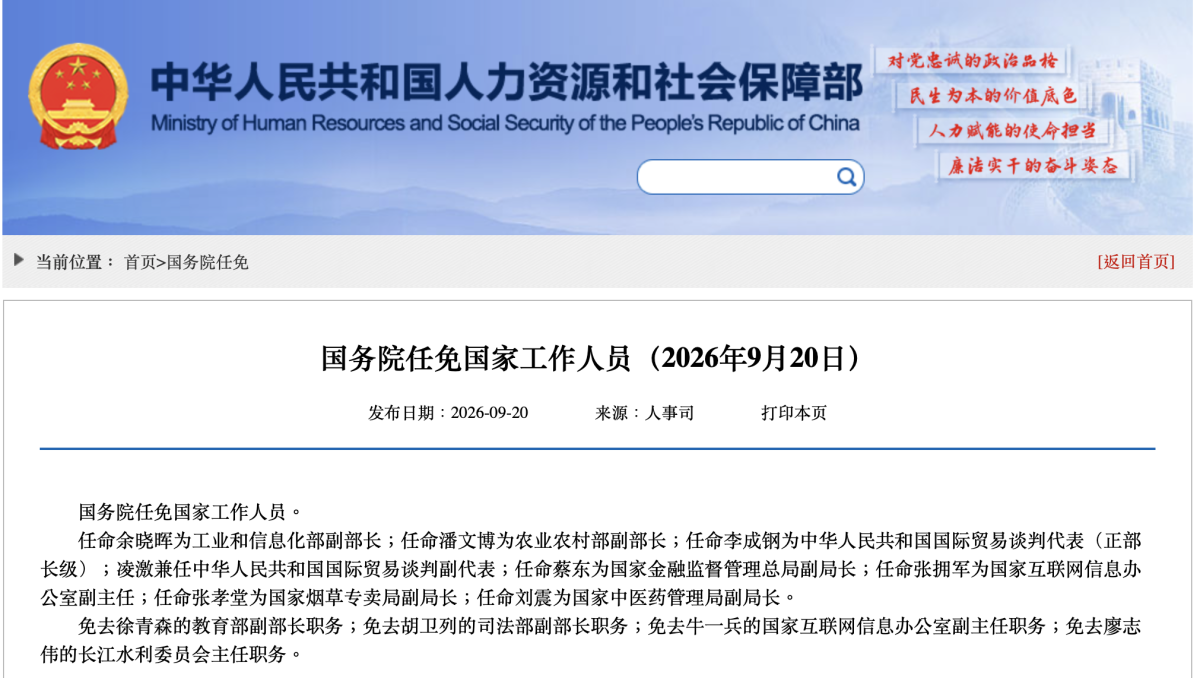
Zhang Xiaotang Appointed Deputy Director of China’s Tobacco Regulator, Adding Another Finance-Background Official to Top Leadership
China’s State Council has appointed Zhang Xiaotang as deputy director of the State Tobacco Monopoly Administration, with the regulator’s official website now listing him as a Party leadership group member and deputy director. Zhang previously led Hebei China Tobacco and earlier headed the STMA’s finance and audit department. His appointment follows the elevation earlier this year of former tax official Yao Laiying to head the STMA, adding another senior official with a strong fiscal or financial-management background to China Tobacco’s top leadership in 2026.
News
Sep.20
Malaysia Liquid Nicotine Returns to Poisons List, Leaving Vape Retail and RM354 Million Tax Collection in Legal Uncertainty
Malaysia’s withdrawal of its appeal in a landmark liquid-nicotine case has left a High Court ruling that struck down the 2023 nicotine exemption in force, bringing liquid and gel nicotine used in vaping products back under the Poisons Act 1952. At the same time, the Control of Smoking Products for Public Health Act 2024 continues to provide a regulatory framework for vaping products, creating uncertainty over retail sales, taxation and existing inventory. MPs are calling for nicotine vape sales and excise collection to stop, including refunds of more than RM354 million collected since 2023, while industry and consumer groups are asking the government to clarify the current legal position.
Sep.04
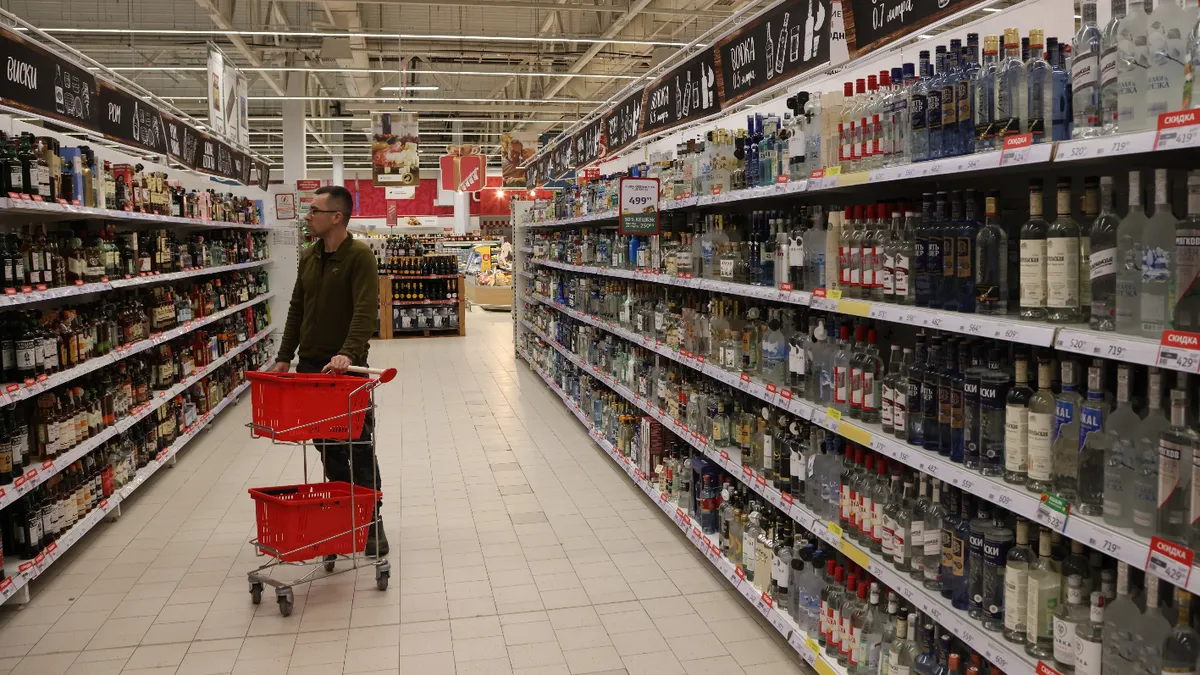
Russia Adds Vapes to “Strategic Goods” List, Illegal Cross-Border Trade Faces Up to Five Years in Prison
Russia will place e-cigarettes and related nicotine products under its “strategic goods” framework from August 20, 2026. According to TVP World’s report published on August 19, the newly listed items include e-cigarettes, electronic smoking devices, vape liquids and nicotine salts. Individuals who illegally move these products across Russia’s customs border or its state border with other Eurasian Economic Union (EAEU) members could face up to five years in prison if shipment values exceed 100,000 rubles (about €1,000), provided all elements of a criminal offence are established.
Aug.20
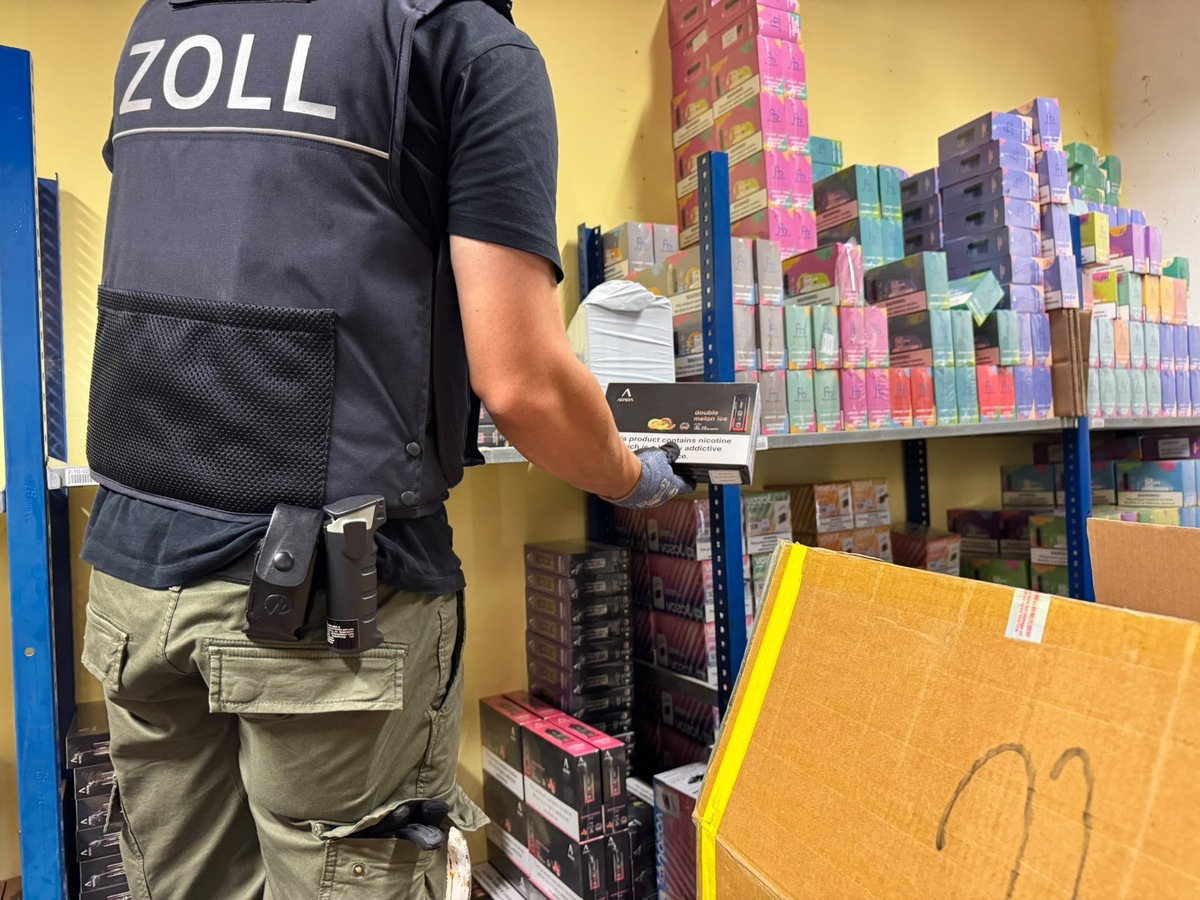
Germany Probes 7.6 Million Illegal Vape Case With Estimated €33.3 Million Tax Loss; Four Chinese Manufacturer Employees Under Investigation, Some Packaging in Enforcement Images Resembles FUMOT Products
German prosecutors and customs authorities are conducting a criminal investigation into an alleged cross-border organised vape network. Authorities say that between January 2024 and March 2025, four employees of an unnamed Chinese e-cigarette manufacturer allegedly built a network of sales agents and wholesalers that brought more than 7.6 million nicotine disposable vapes into Germany, causing an estimated €33.3 million in excise-tax losses. The manufacturer has not been named. Some products visible in enforcement images have packaging resembling products from FUMOT’s portfolio. European regulatory records from 2024, FUMOT’s public overseas-sales materials and records involving German vape importer and distribution company Zamu-Pro GmbH also show FUMOT/RandM products and German distribution activity during the period covered by the investigation.
Sep.21