KT&G Dominates South Korean E-Cigarette Market with "Lil" Series

Dec.18.2024
KT&G Dominates South Korean E-Cigarette Market with "Lil" Series
KT&G dominates South Korea e-cigarette market with "Lil" line, predicted to continue success amid fierce competition.

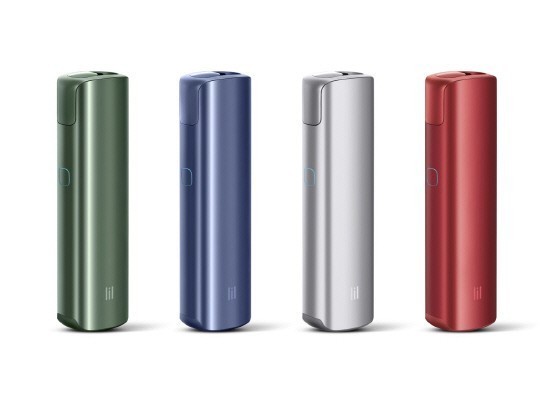
According to a report by N.News on December 17th, since South Korean tobacco KT&G introduced the "Lil Solid" in 2017, they have successively released other e-cigarette devices such as the "Lil Hybrid" and "Lil Able," securing the top position in the South Korean market.


Industry insiders expect that the e-cigarette market in South Korea will continue to be highly competitive in 2025, with KT&G's multi-platform product "Lil" maintaining its market advantage.


Lil's success is attributed to its multi-platform operating system. Currently, there are three products available in the market: "Lil Hybrid," "Lil Solid," and "Lil Able." The latest releases, "Lil Hybrid 3.0," "Lil Able 2.0," and "Lil Solid 3.0," have been well-received by consumers.


KT&G's technological innovation capability is considered a key factor in its success. The company's number of patent applications has been increasing each year, growing from 2250 in 2021 to 3392 in 2023, representing a growth of approximately 51% in just two years. The number of overseas patent applications also saw significant growth, increasing from 1744 in 2021 to 2679 in 2023, more than 1.5 times higher. In 2023, KT&G ranked fourth in the "2023 Korea Corporate European Patent Index" published by the European Patent Office, trailing only Samsung, LG, and SK Group.


A spokesperson for KT&G stated,


We will continue to provide consumers with satisfaction that meets their expectations through a diverse product line.


We welcome news tips, article submissions, interview requests, or comments on this piece.

Please contact us at info@2firsts.com, or reach out to Alan Zhao, CEO of 2Firsts, on LinkedIn


Notice

1.  This article is intended solely for professional research purposes related to industry, technology, and policy. Any references to brands or products are made purely for objective description and do not constitute any form of endorsement, recommendation, or promotion by 2Firsts.

2.  The use of nicotine-containing products — including, but not limited to, cigarettes, e-cigarettes, nicotine pouchand heated tobacco products — carries significant health risks. Users are responsible for complying with all applicable laws and regulations in their respective jurisdictions.

3.  This article is not intended to serve as the basis for any investment decisions or financial advice. 2Firsts assumes no direct or indirect liability for any inaccuracies or errors in the content.

4.  Access to this article is strictly prohibited for individuals below the legal age in their jurisdiction.


Copyright


This article is either an original work created by 2Firsts or a reproduction from third-party sources with proper attribution. All copyrights and usage rights belong to 2Firsts or the original content provider. Unauthorized reproduction, distribution, or any other form of unauthorized use by any individual or organization is strictly prohibited. Violators will be held legally accountable.

For copyright-related inquiries, please contact: info@2firsts.com


AI Assistance Disclaimer


This article may have been enhanced using AI tools to improve translation and editorial efficiency. However, due to technical limitations, inaccuracies may occur. Readers are encouraged to refer to the cited sources for the most accurate information.

We welcome any corrections or feedback. Please contact us at: info@2firsts.com

Philippines BIR Steps Up Illicit Vape Enforcement Ahead of Christmas Shopping
The Philippines’ Bureau of Internal Revenue is intensifying enforcement against illicit vape and tobacco products ahead of the Christmas shopping season, directing regional and enforcement offices to strengthen monitoring of production sites, warehouses, distribution channels and retail outlets. The BIR destroyed 240,550 illicit vape products in August with an estimated tax liability of about PHP1.53 billion. A nationwide tax-compliance operation in July also inspected 3,590 businesses involved in tobacco and vapor products.
Regulations
Sep.17 by 2Firsts Perspectives
Germany's Four-Year Tobacco Tax Plan Heads to Parliament as BAT, JTI and PMI Push for Changes
Germany's parliament is scheduled to hold a first reading of amendments to the Tobacco Tax Act on September 24. The government plans annual tax increases from 2027 through 2030 covering cigarettes, heated tobacco, vaping liquids and other categories. It expects the reform to generate €756 million in additional revenue in 2027, rising to €3.589 billion in additional annual revenue by 2030. Ahead of the parliamentary debate, the German Association of the Tobacco Industry and Novel Products, or BVTE, launched the "Tabaksteuer mit Augenmaß" campaign backed by BAT, JTI, Philip Morris, Reemtsma and wholesale and retail groups.
Sep.23
Wall Street Journal: U.S. FDA Plans Faster Vape and Nicotine Pouch Reviews, Revisit of 2021 PMTA Rule
The Trump administration is preparing changes intended to accelerate FDA market authorization reviews for e-cigarettes and nicotine pouches, according to The Wall Street Journal. The FDA is expected to revisit its 2021 PMTA rule and may simplify some scientific study requirements and shorten review times. The agency has not formally announced the changes. Over the past year, the FDA has already accelerated nicotine-pouch reviews, expanded ENDS authorizations and upgraded its CTP Portal NextGen application system. As of August 2026, 43 nicotine pouch products and 48 e-cigarette products had received FDA marketing authorization.
Sep.24
South Korea's Tobacco Plan Excludes 6-Methyl Nicotine as Customs Tightens Import Controls and Analog Liquid Imports Fall 83%
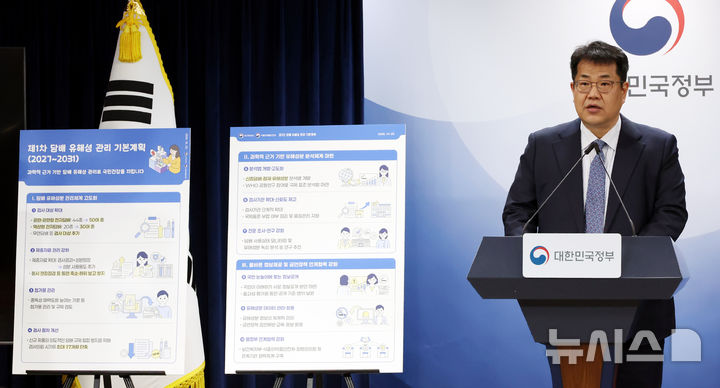
South Korea's government unveiled its first Tobacco Harm Management Basic Plan for 2027–2031 on October 29, 2026, proposing broader testing of vaping and heated tobacco products while excluding nicotine analogs such as 6-methyl nicotine. Synthetic nicotine came under tobacco regulation on April 24, and a June investigation found 6-methyl nicotine in 12 liquid inhalation products marketed as nicotine-free. Customs data released in September showed that imports of nicotine analog solutions fell 83.3%, from 12 metric tons in January–April to 2 metric tons in May–August. By September 20, imports had reached approximately 15 metric tons for the year, with 99.99% originating from China. Customs authorities have tightened pre-clearance testing and supply-chain documentation requirements, while the MFDS expects to complete its assessment of nicotine analog hazards by the end of 2026.
Regulations
Nov.04
Product | KIWI Launches Spark 2 and Spark 2 Pro in Germany, Two Hardware Tiers Share Backward-Compatible 2ml Pods
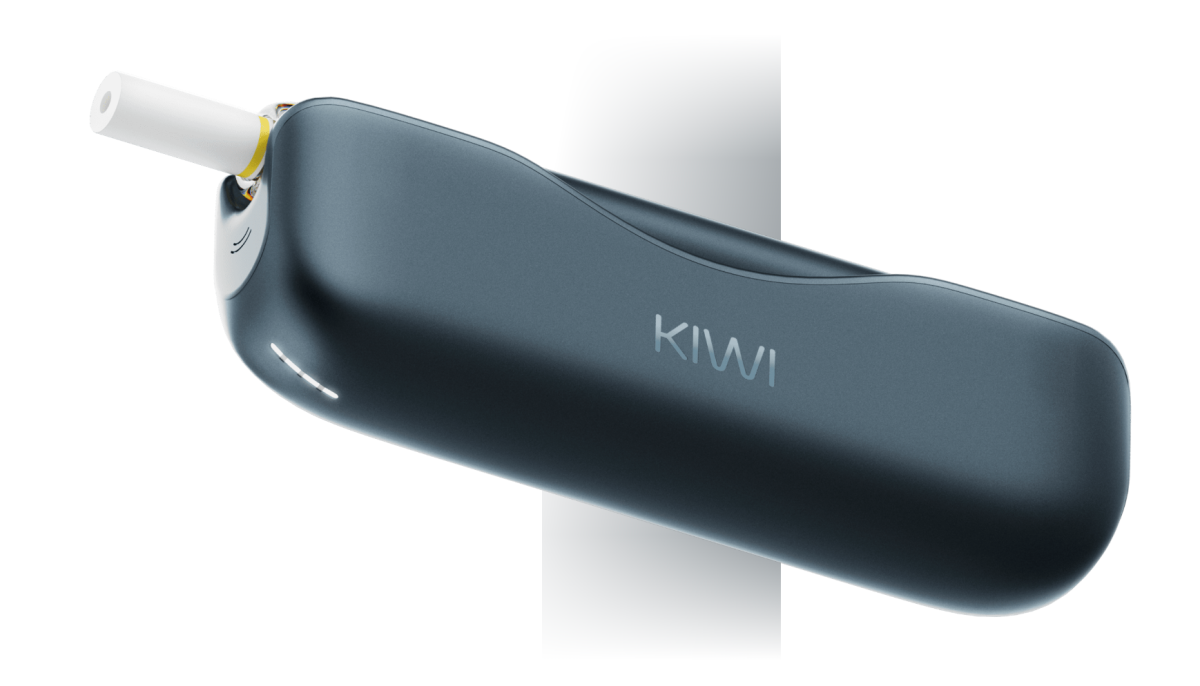
KIWI has launched the Spark 2 and Spark 2 Pro refillable pod systems in Germany at official prices of €18 and €29, respectively. Spark 2 uses an 800mAh removable lithium-ion battery in a pen-style body, while Spark 2 Pro features a 1,400mAh removable battery, a box-shaped design and vibration feedback every 20 puffs. Both devices use the same 2ml Spark V2 pods in 0.8Ω and 1.2Ω versions, with AirSync airflow adjustment and a choice between Cotton Tips and conventional Drip Tips. The new pods also remain compatible with the original KIWI Spark.
News
Sep.29 by 2Firsts Perspectives
Special report|Indonesia's Vape Industry Has 200 Manufacturers and $1.7 Billion in Investment. Could a Regulatory Divide Derail Its Rise as the World's No. 2 Manufacturing Hub After Shenzhen?
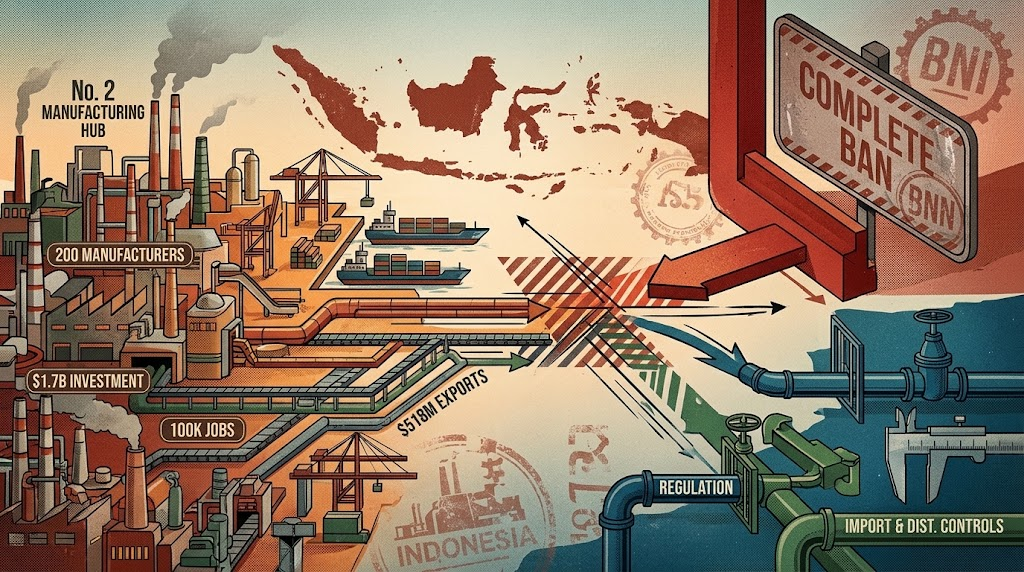
Indonesia's Ministry of Industry said at a November 3, 2026, policy forum that the country has about 200 electronic cigarette companies, Rp31 trillion (approximately $1.71 billion) in cumulative industry investment and around 100,000 jobs across the supply chain. The National Narcotics Agency is seeking a comprehensive ban on vape use and circulation, while the industry ministry favors tighter import, product-standard and distribution controls. Indonesia exported approximately $518 million in vaping products in 2025, and Chinese manufacturers including Smoore, GEEKVAPE and Jinjia Group have established local operations. An international logistics specialist interviewed by 2Firsts said more Chinese vape companies began production in Indonesia from the second half of 2025, accompanied by increased shipments of manufacturing equipment and investment in logistics facilities. The regulatory debate comes as Indonesia expands its role in international vaping manufacturing.
Special Report
Nov.05